When Shane’s parents were over for their first visit they stayed for almost two weeks. So we had to figure out what to do with them during that time. In a city that literally offers anything you can think of, it wasn’t that difficult to fill our time. To be honest, it was sometimes rather overwhelming. The sheer amount of activities New York offers and that is just counting the island of Manhattan. Broadway shows, sports events, exhibitions, Michelin Star restaurants, just to name a few. Whatever you can think of, you name it and you can find it here.
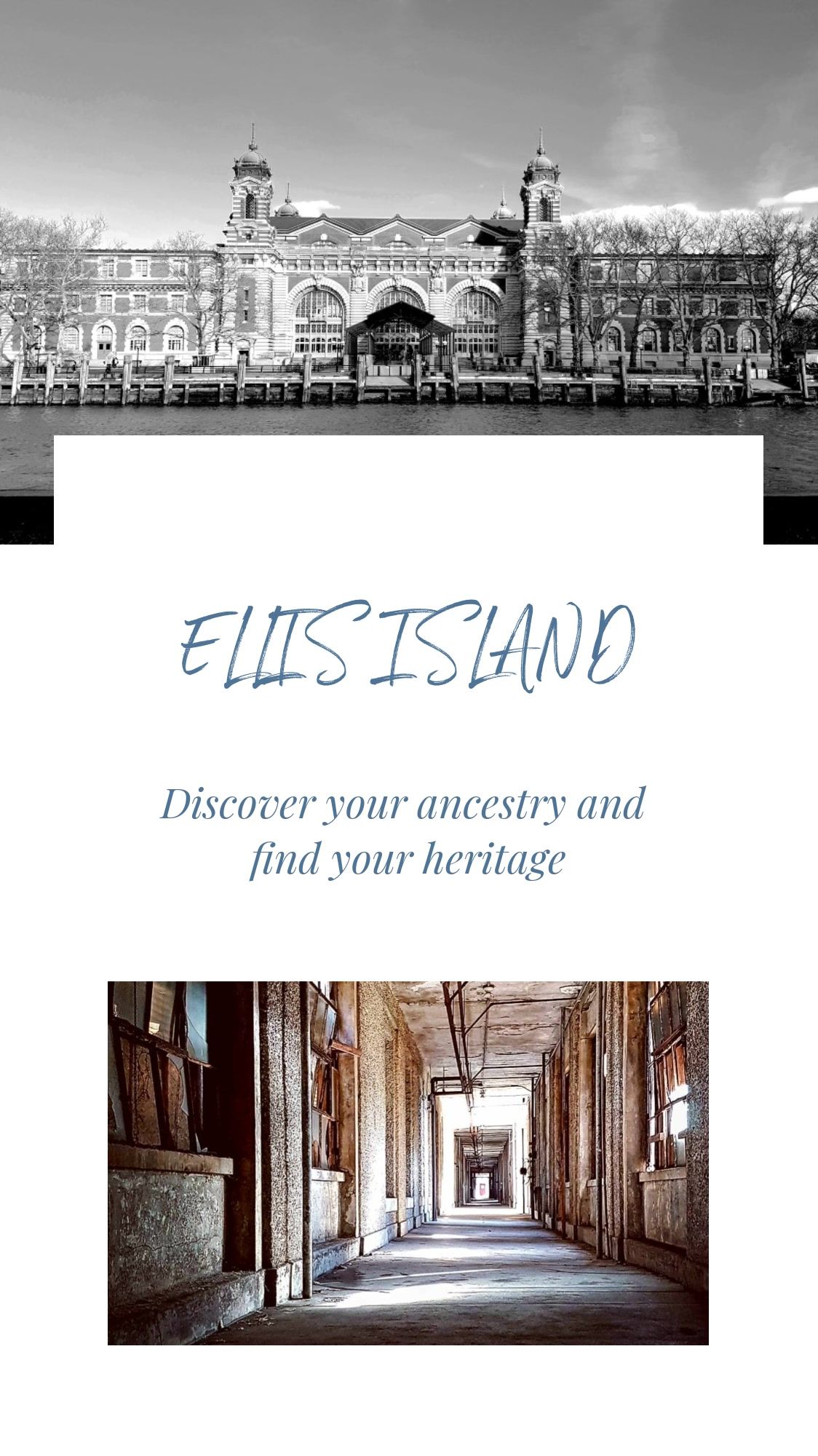
One of the most memorable things we did was a tour of Ellis Island and the abandoned hospital complex next to the Immigration Museum. If you ever come to New York, you should really book this tour and experience a piece of world history for yourself. Everybody knows about the waves of immigrants reaching the United States through Ellis Island and how their wish to start a new life in America shaped the city of New York. Especially for the Irish, this tour gives you so much history about your own country, its people and what drove them to leave their families behind to find better fortune thousands of miles away.
They all would have come through Ellis Island. An island in the New York Harbor, just a stone throw away from the metropolitan area. This urge to start new was evoked through religious persecution, political strife, unemployment in their home countries, family connections and the lure of adventure and all led to the greatest migration in modern history. Since it’s opening in 1892, more than 12 million people, mostly Europeans, came through Ellis Island, with a record of 11,747 arriving on April 17, 1907alone. The immigration station operated for five years and was then destroyed by a fire that burnt down the wooden structure, along with many immigration records. It took New York only three years to build a new, fireproof French Renaissance-style building, that opened its doors for new arrivals on December 17, 1900.
Ship after ship, people entered the United States. Taking their first steps into a new future, they were closely watched by doctors trying to detect any diseases and physical or mental disabilities. For weeks or even months, people were crowded together, especially in the third-class section of ocean liners, and increased the risk of bringing in contagious diseases like measles, tuberculosis, influenza and other illnesses. Medical inspectors had to try to identify anyone who seemed unhealthy or in a state of medical condition that needed treatment, including pregnancy, upon arrival and before they would set foot on the mainland. After answering up to 31 questions about themselves (including name, home town, occupation, destination and the amount of money they brought into the U.S.), the majority was granted access and were sent on their way to a new life. Approximately 20 percent had to stay behind for further medial or legal examination and found themselves in the hospital complex, which was, back then, a state-of-the-art complex, while for only about 2 percent their journey ended before it even began and they had to embark a ship to leave the United States again.
In the 1920s US consulates took over the immigration inspection and processing, leaving Ellis Island with a deportation center and a health service hospital. In 1954 Ellis Island Immigration station closed permanently. Restored for 10 years, the main building reopened as immigration museum in 1990 and offers anyone to trace back the steps of people pursuing a new life in a new land.
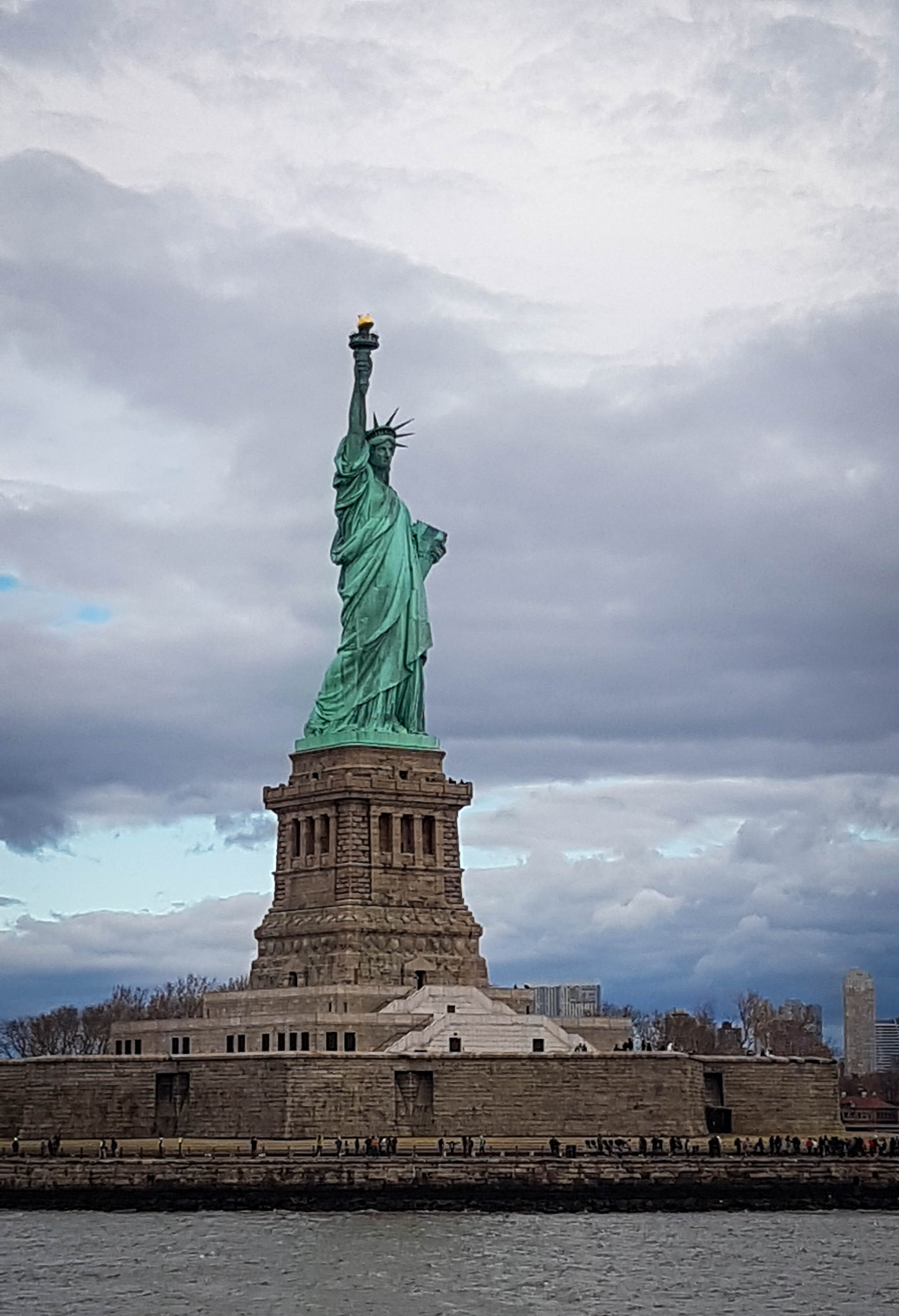
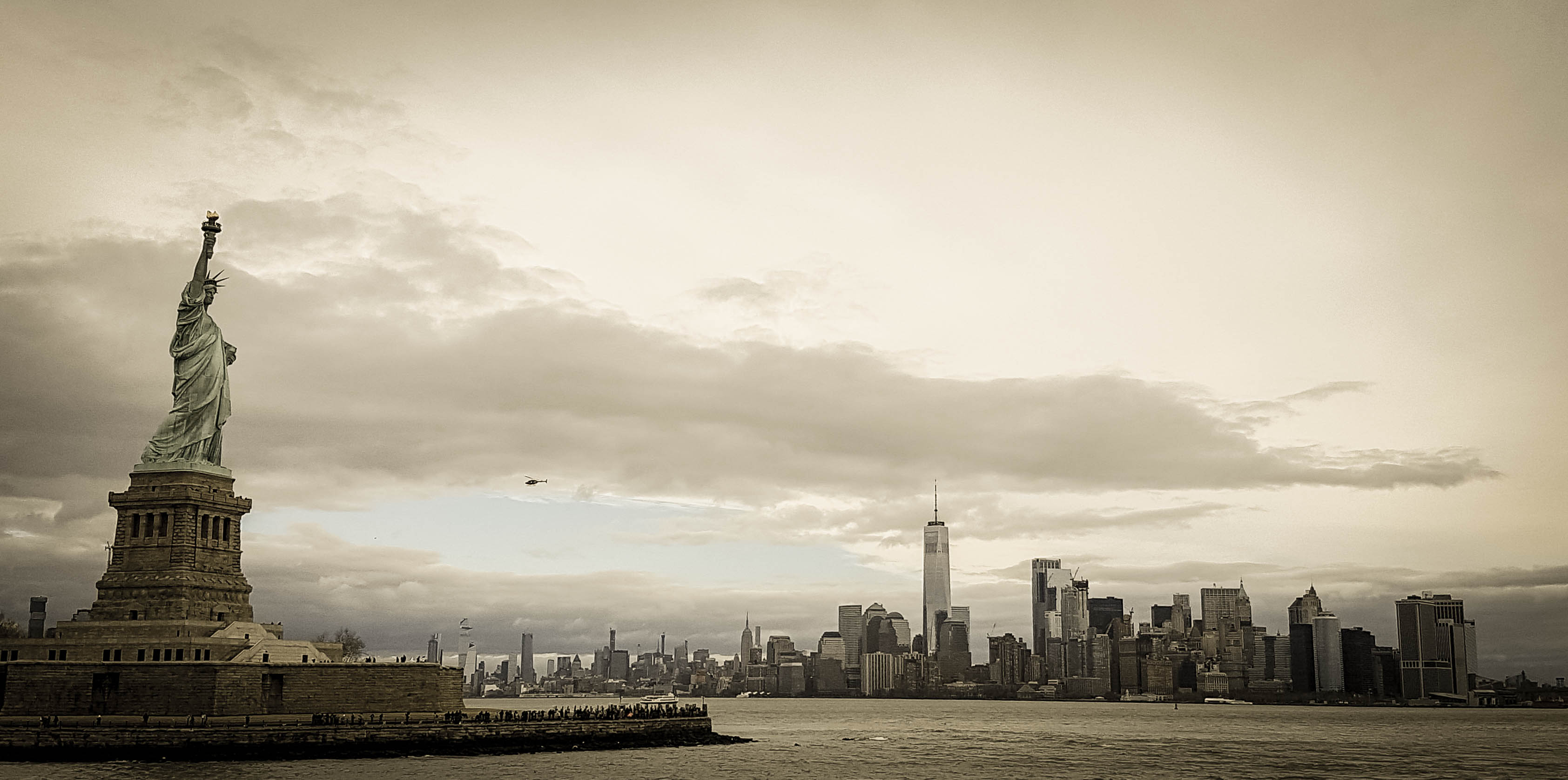
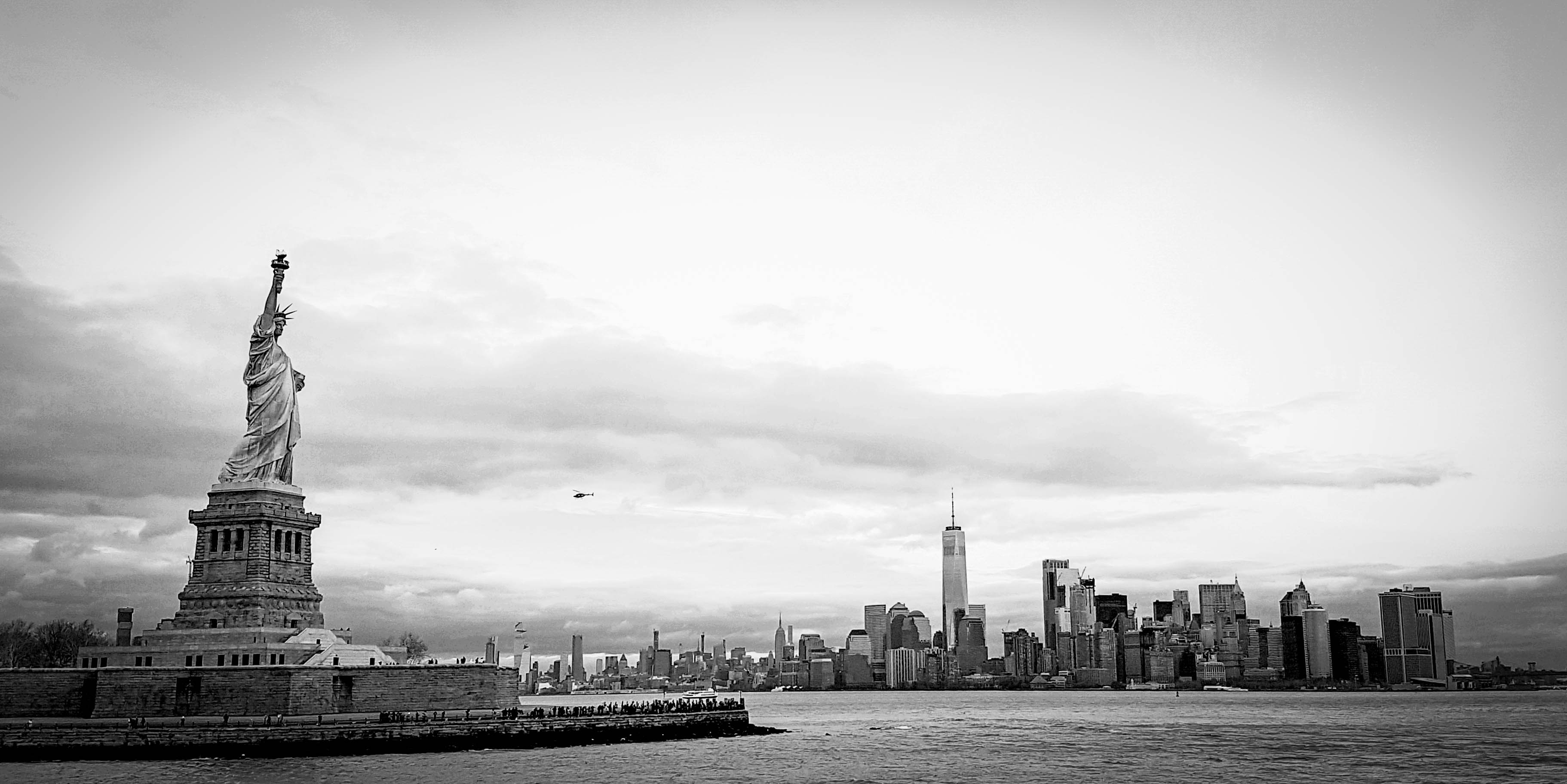
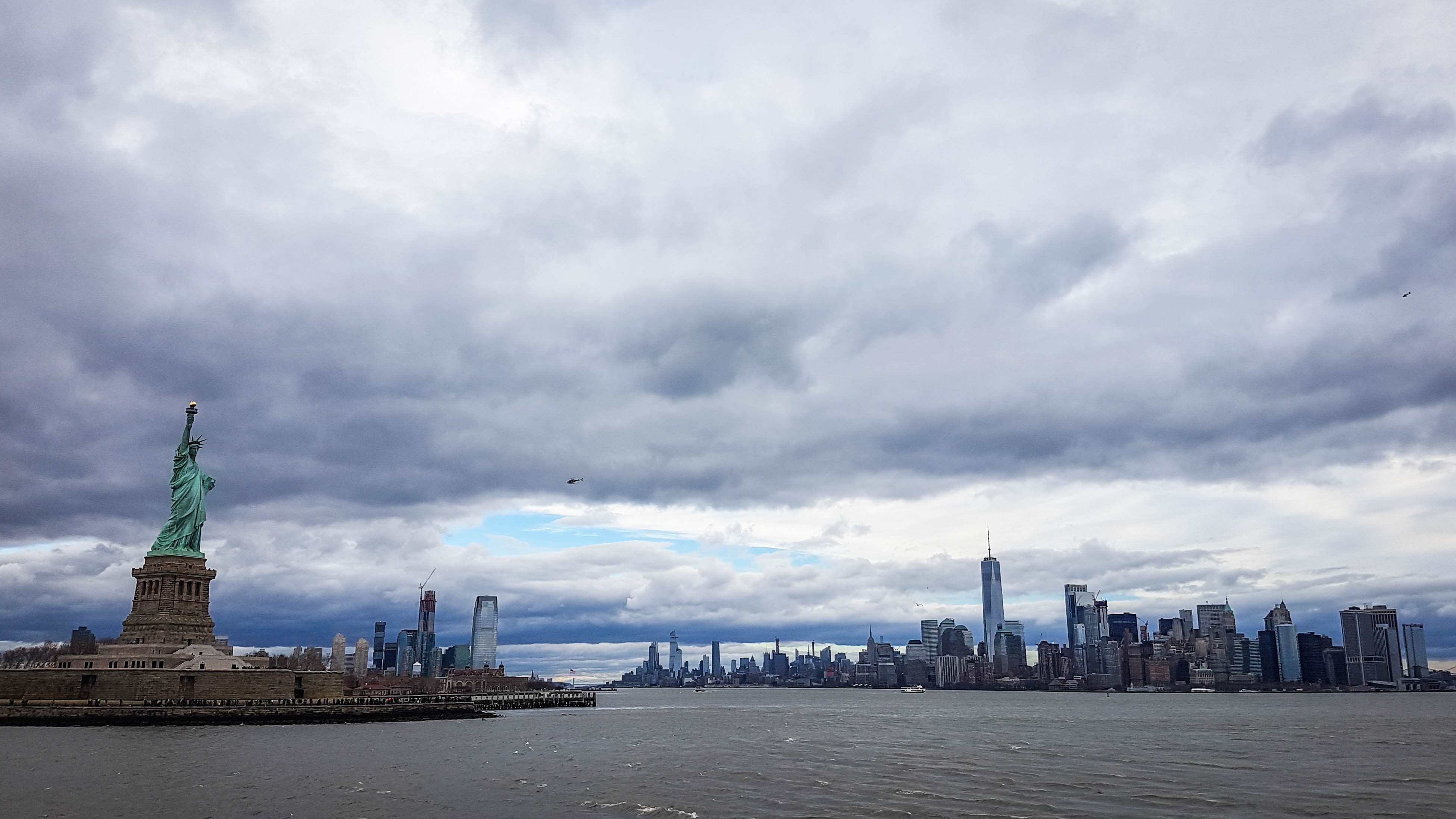
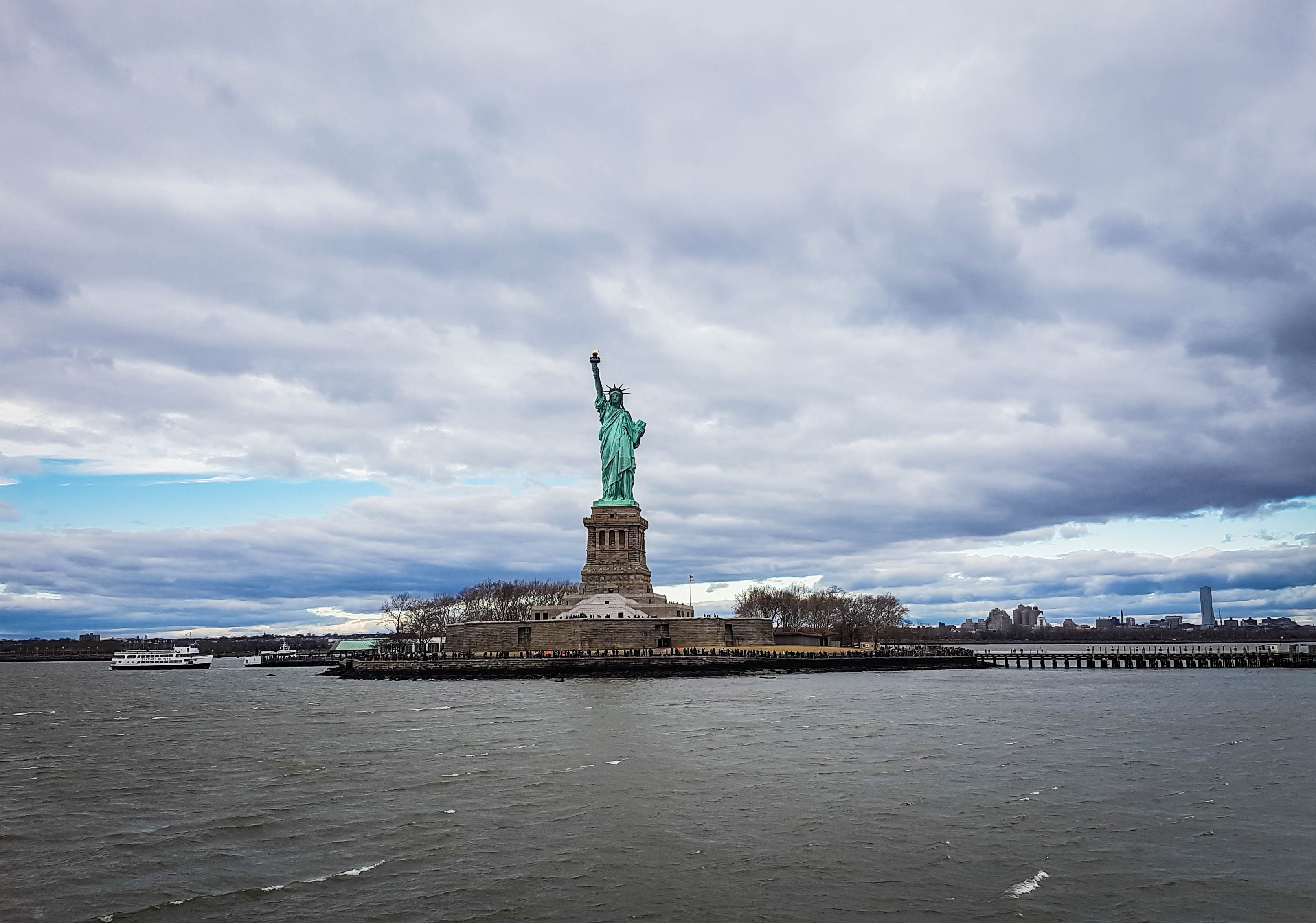
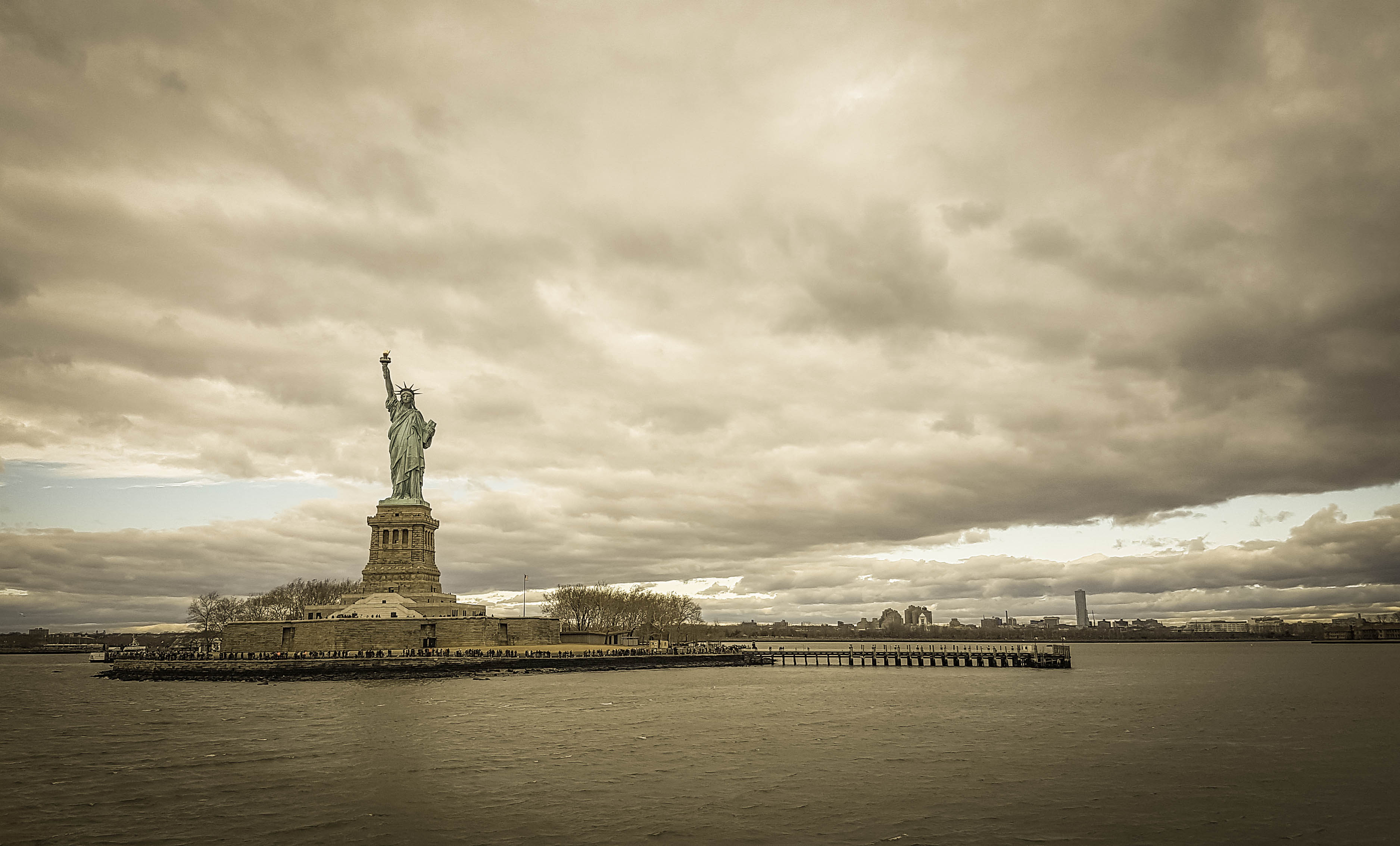
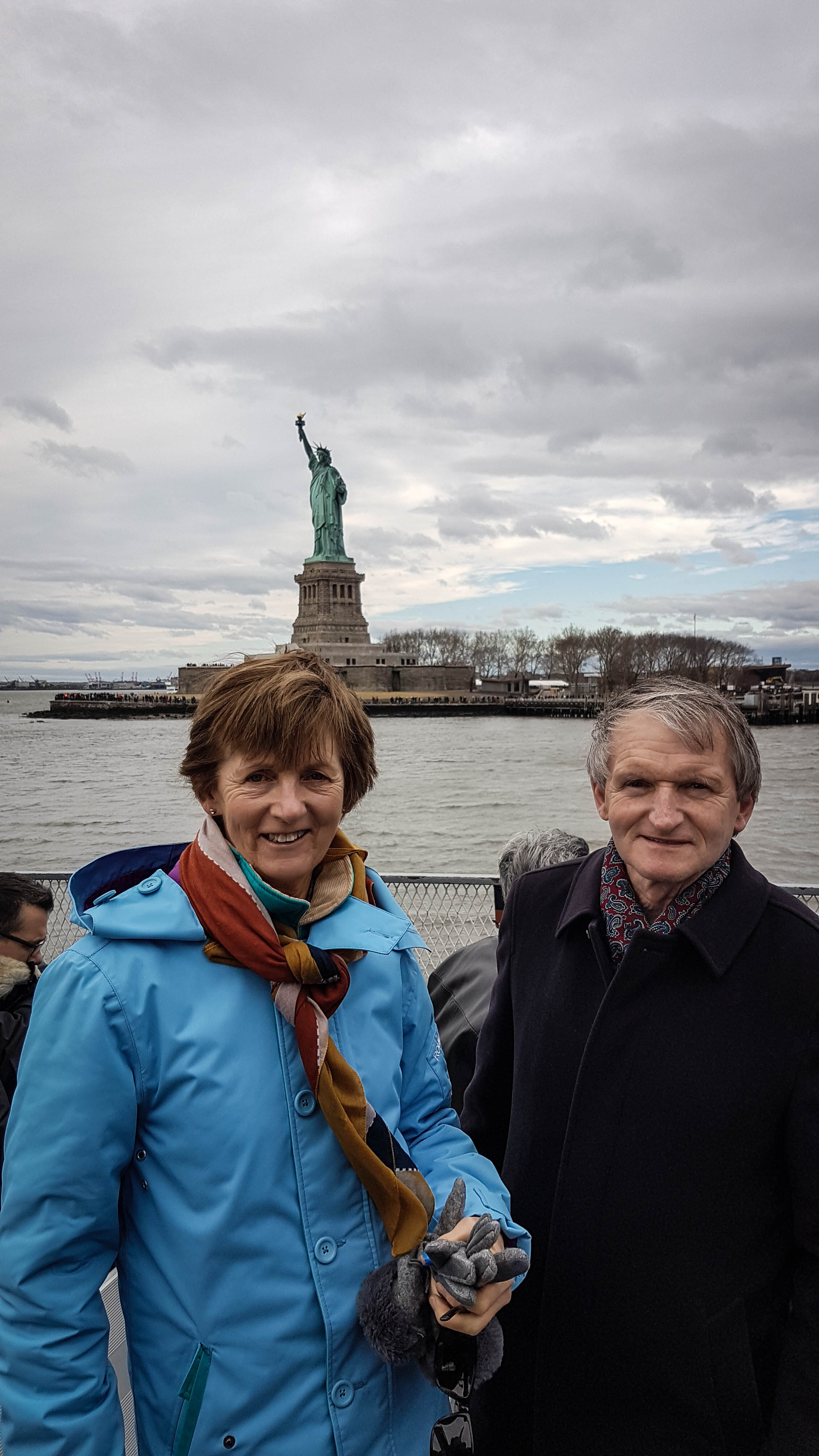
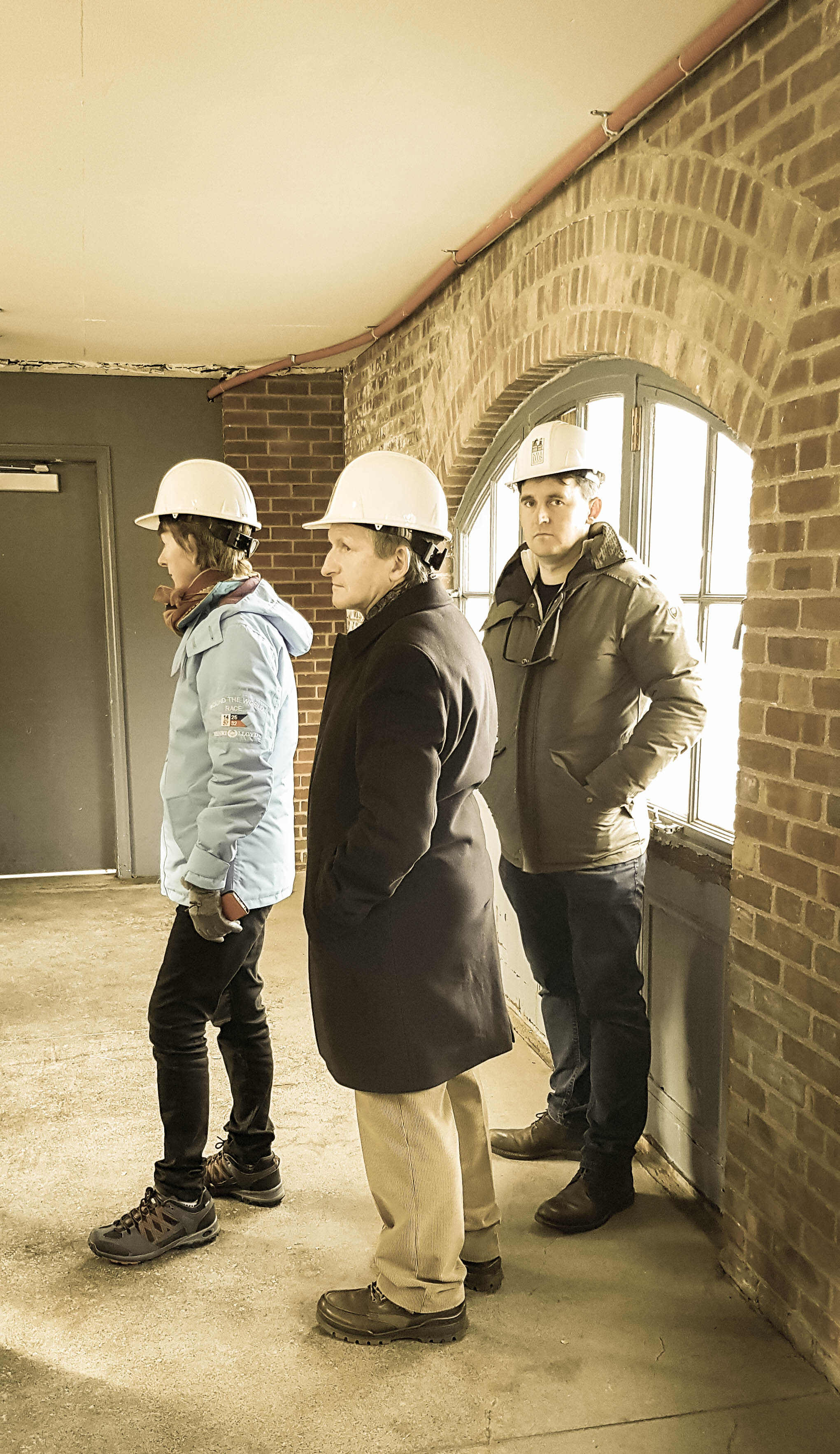
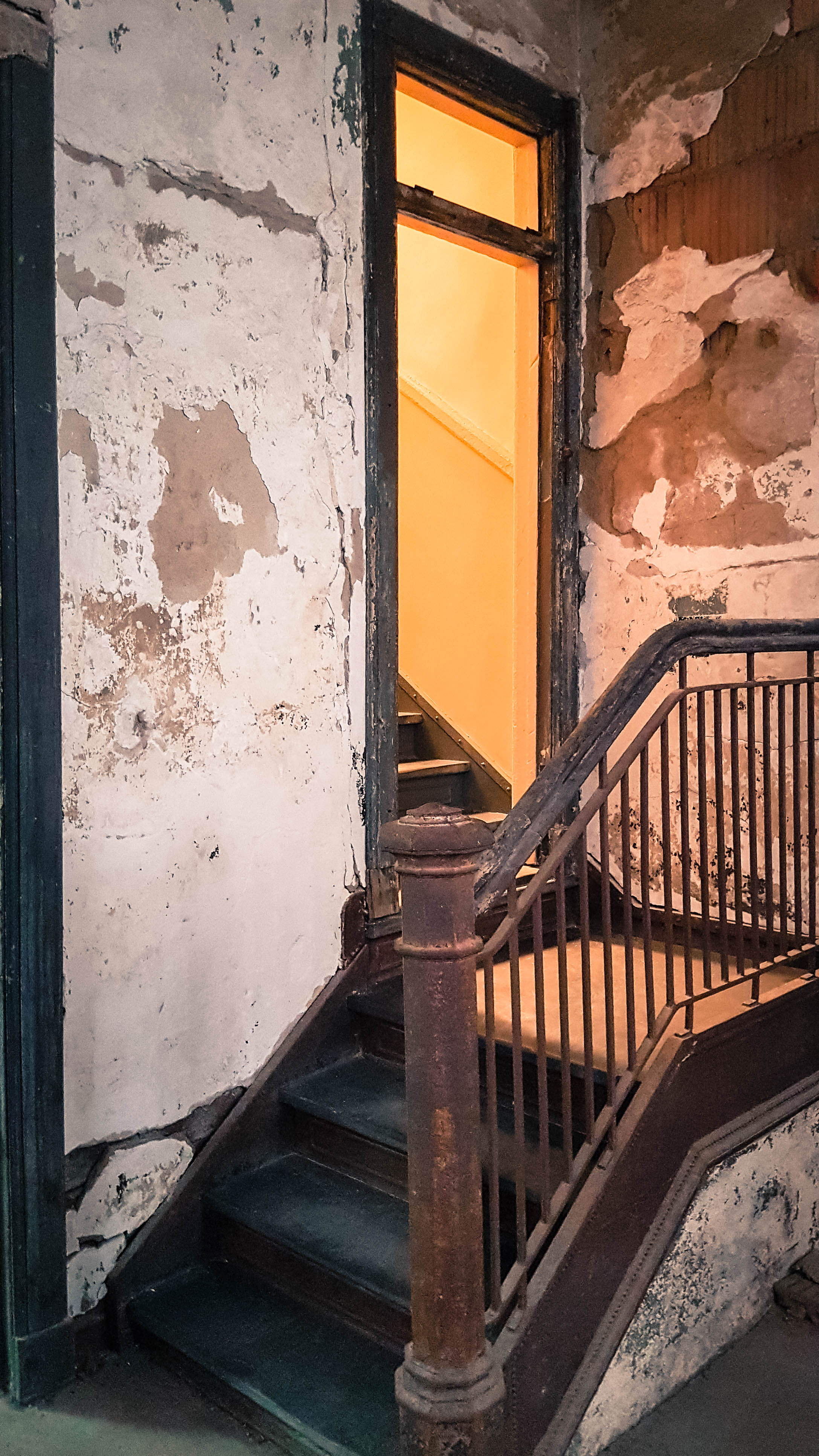
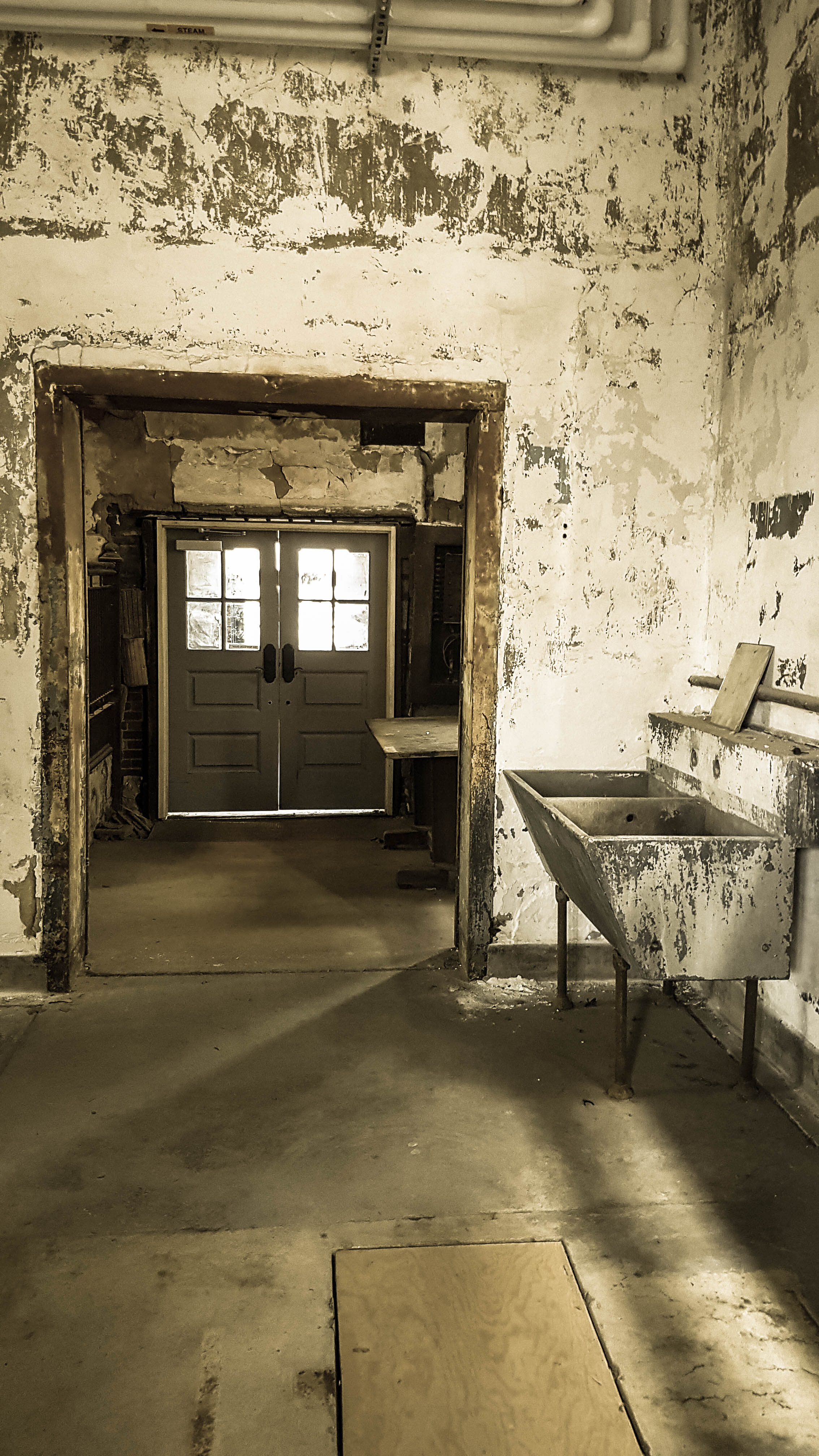
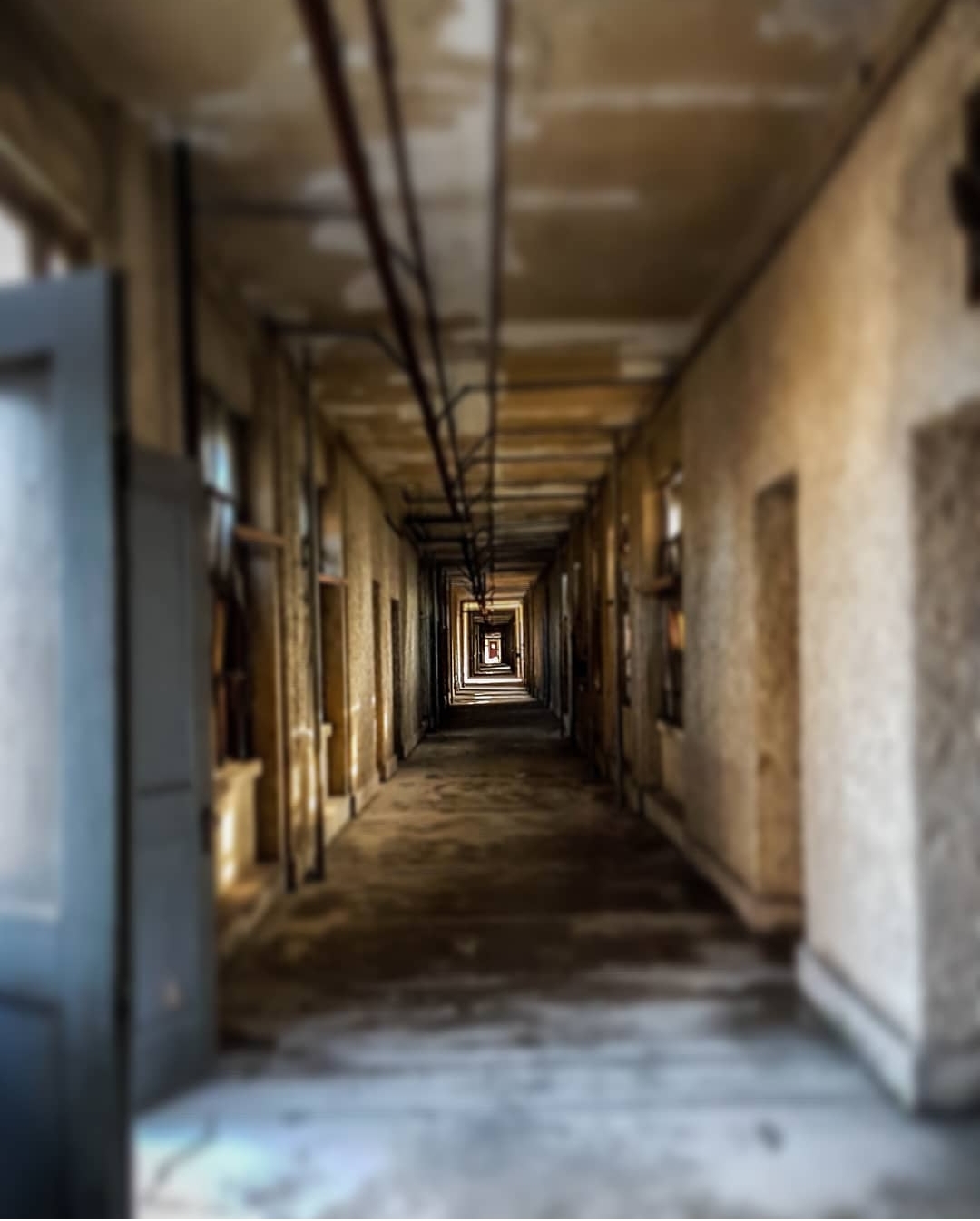
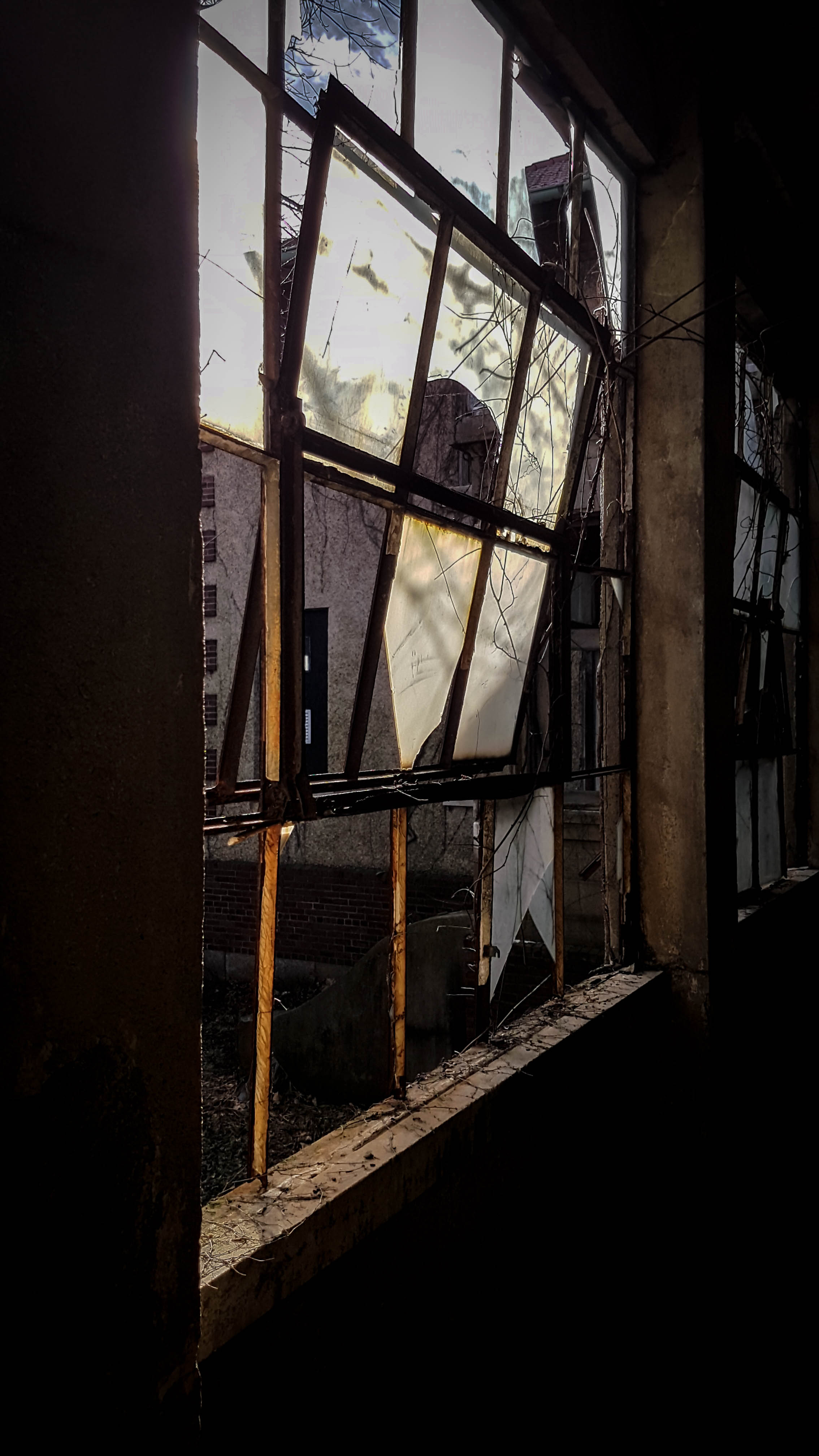
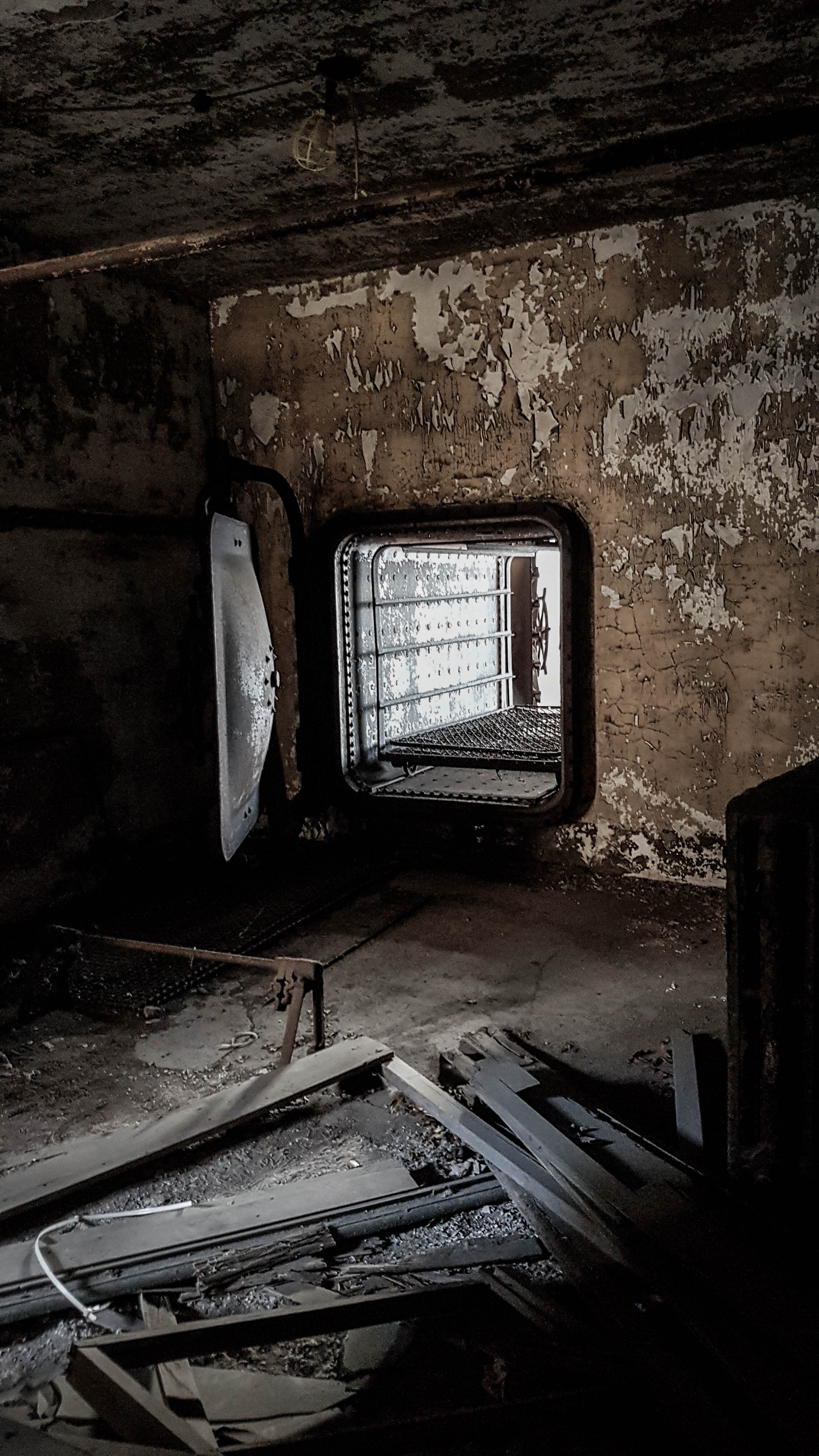
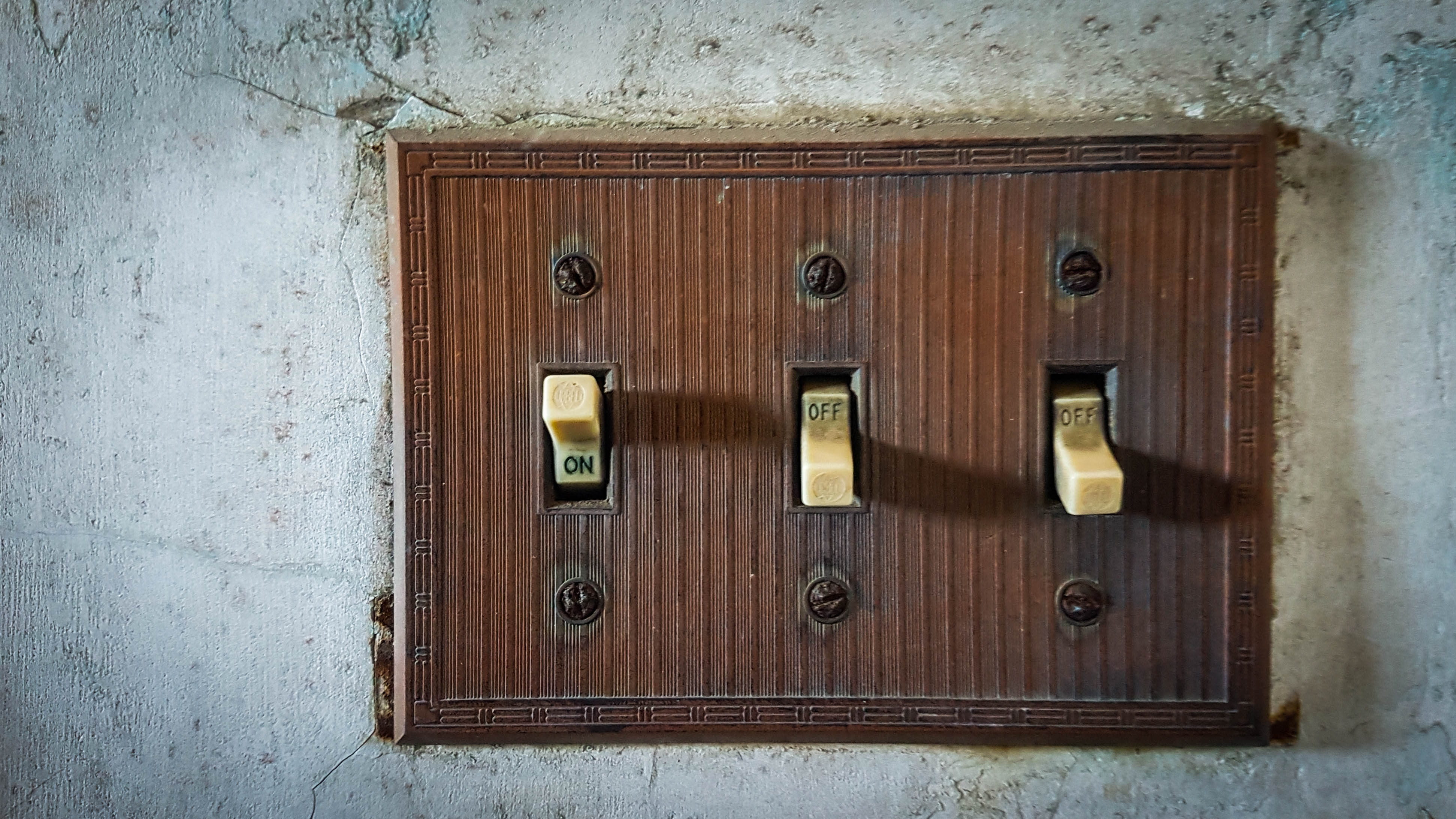
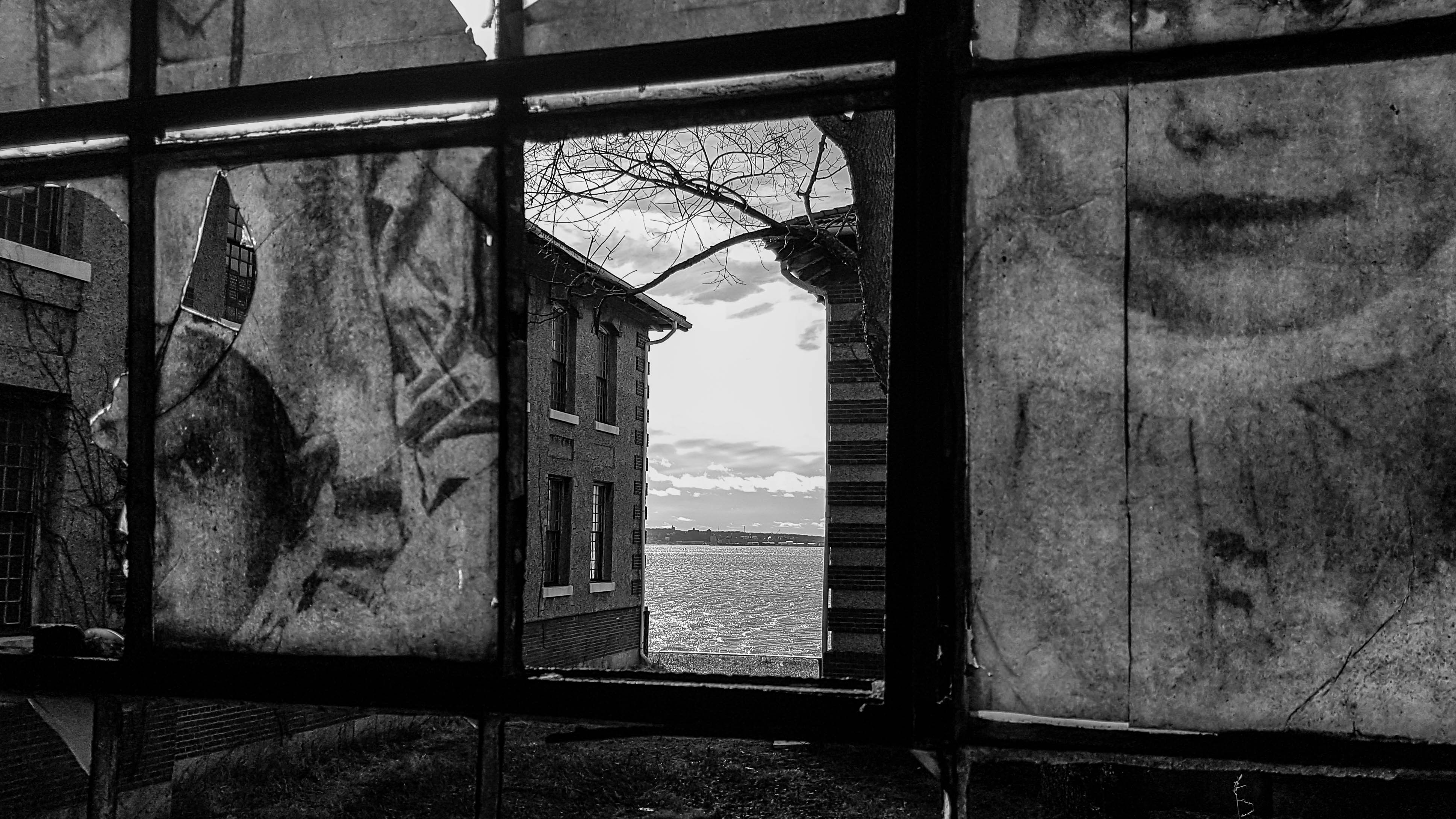
Today, visitors like us can explore the main building and walk through the great hall like so many have done in the past. Only difference, we don’t need to be afraid of being rejected entry to New York City. The tour you book brings you to the Museum by ferry and with this simple way of transportation (how else would you get to an island) it recreates the journey of millions of immigrants. And I don’t even think they realise it. As a visitor you start your journey from Battery Park on the southern shore of Manhattan, the place any immigrant wanted to enter to really begin their new life. A ferry takes you first to Liberty Island and close up to a lady, whose sight meant the world to so many people looking for a better future. The Statue of Lady Liberty sits in front of Ellis Island and was the first view of America. We did not embark on Liberty Island, simply because we had a tour booked for the abandoned hospital complex and needed to be there on time. We entered Ellis Island like any immigrant would have, looking at an impressive building that had its doors open and was ready to welcome us. We found our group for the guided Hard Hat tour by one of the many docents of Save Ellis Island, an organization that tries to help raise money and awareness to restore the abandoned buildings. When Hurricane Sandy hit New York, most of the former hospital complex was flooded and closed off for visitors for years. Every year a few more areas are opened again to the public but since it is still not 100% safe, everybody needs to wear aa hard hat, just un case of falling debris. This tour gives visitors a fantastic behind the scenes look and is a paradise for photographers. Have a look for yourselves.
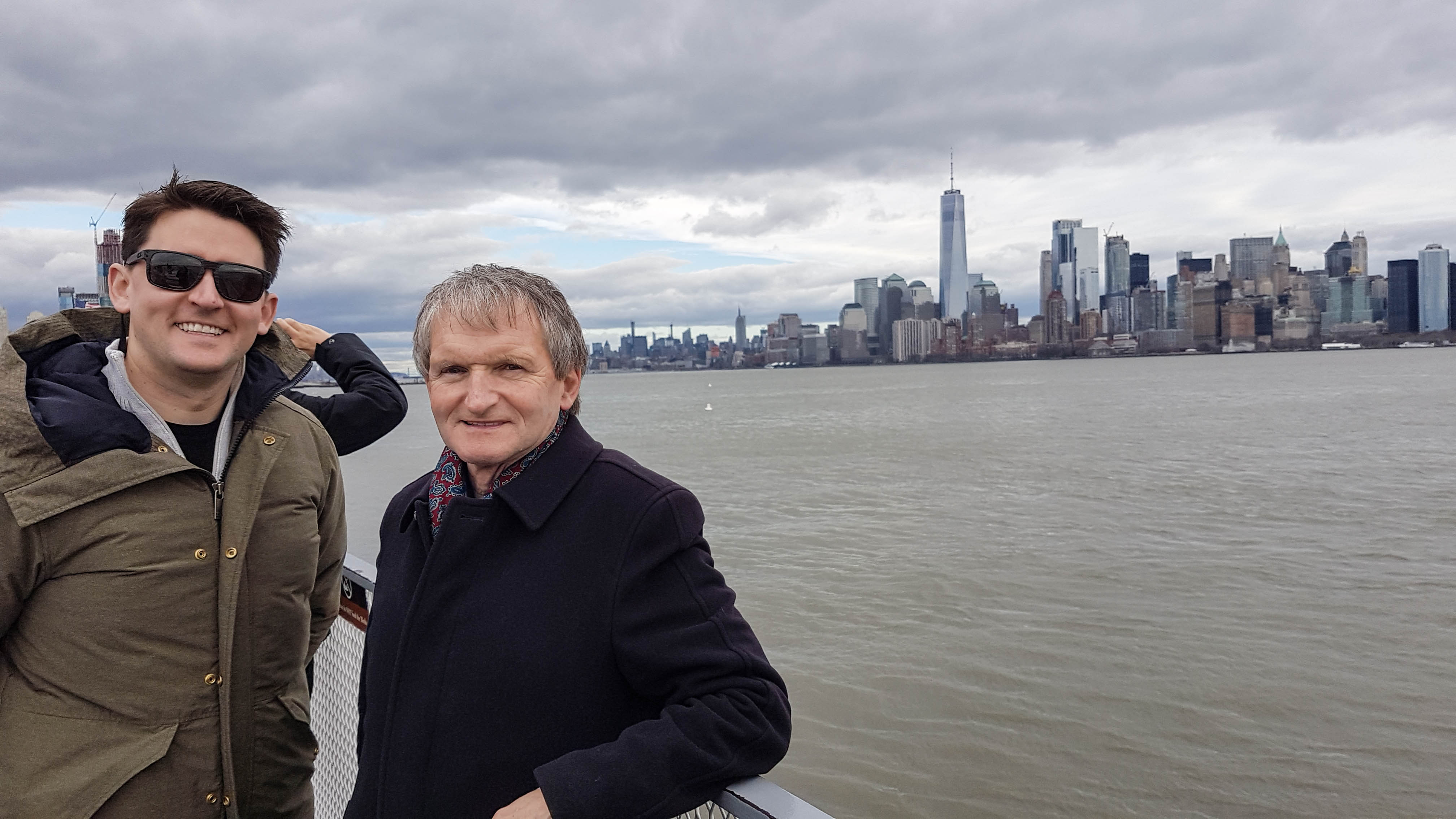
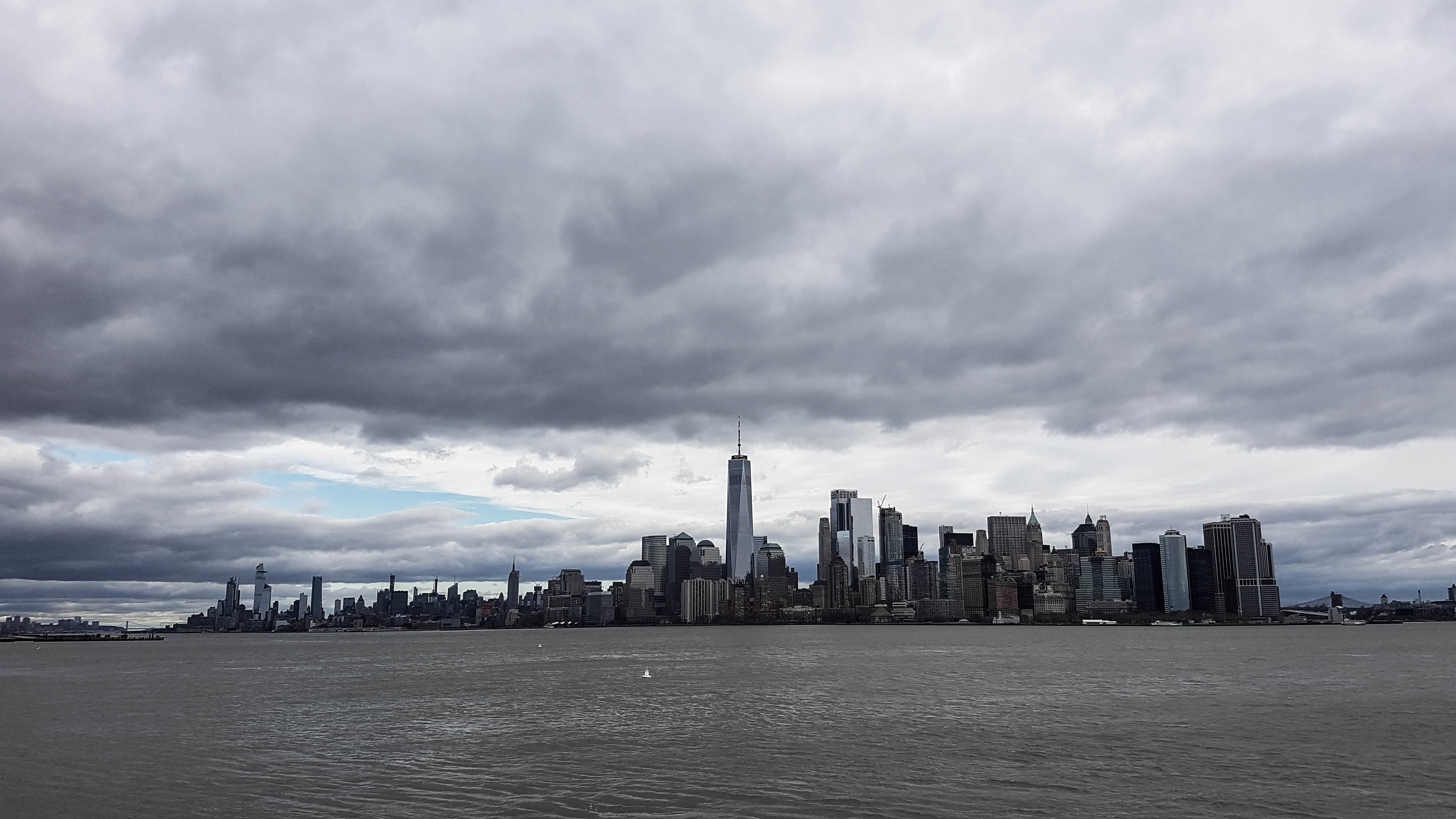
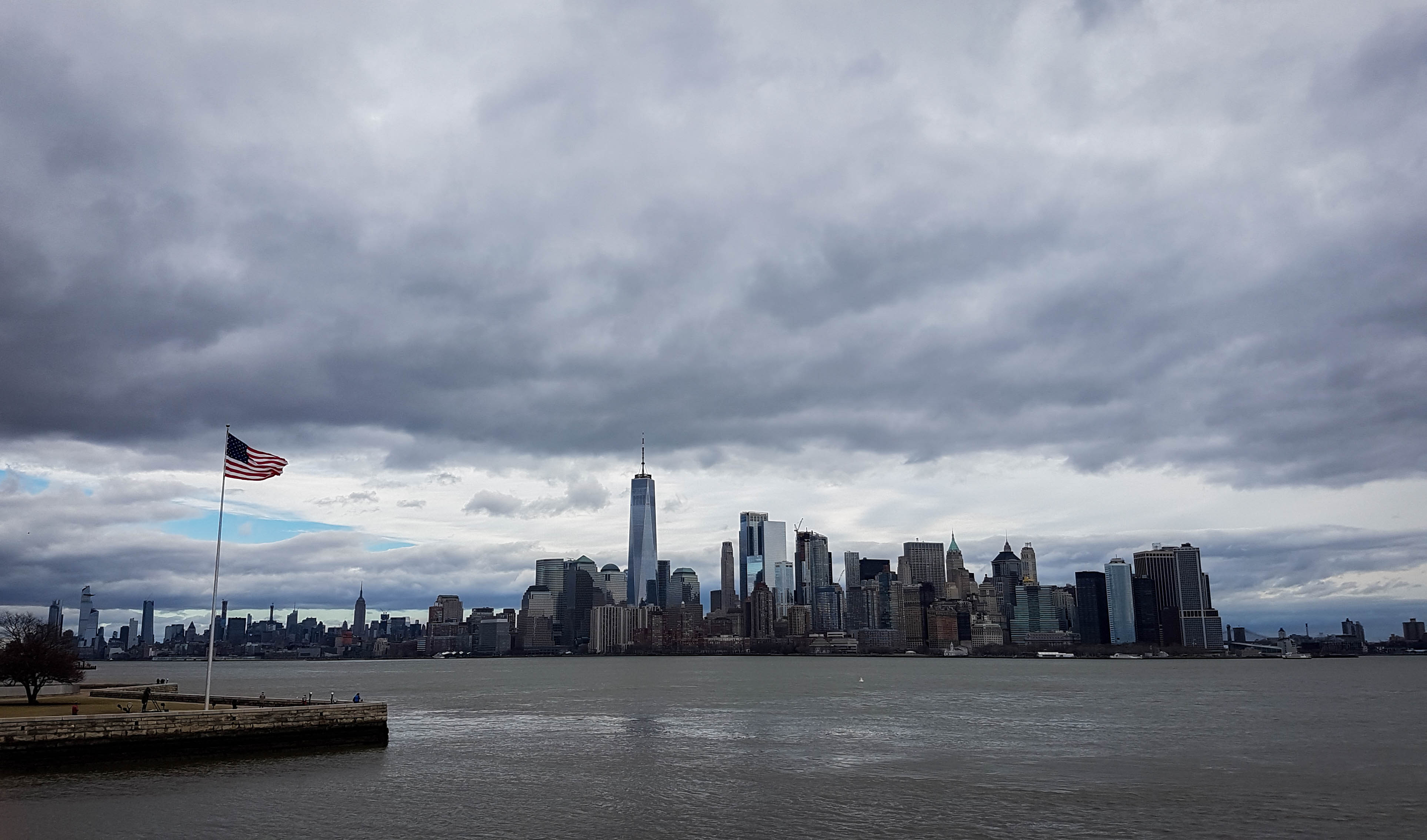

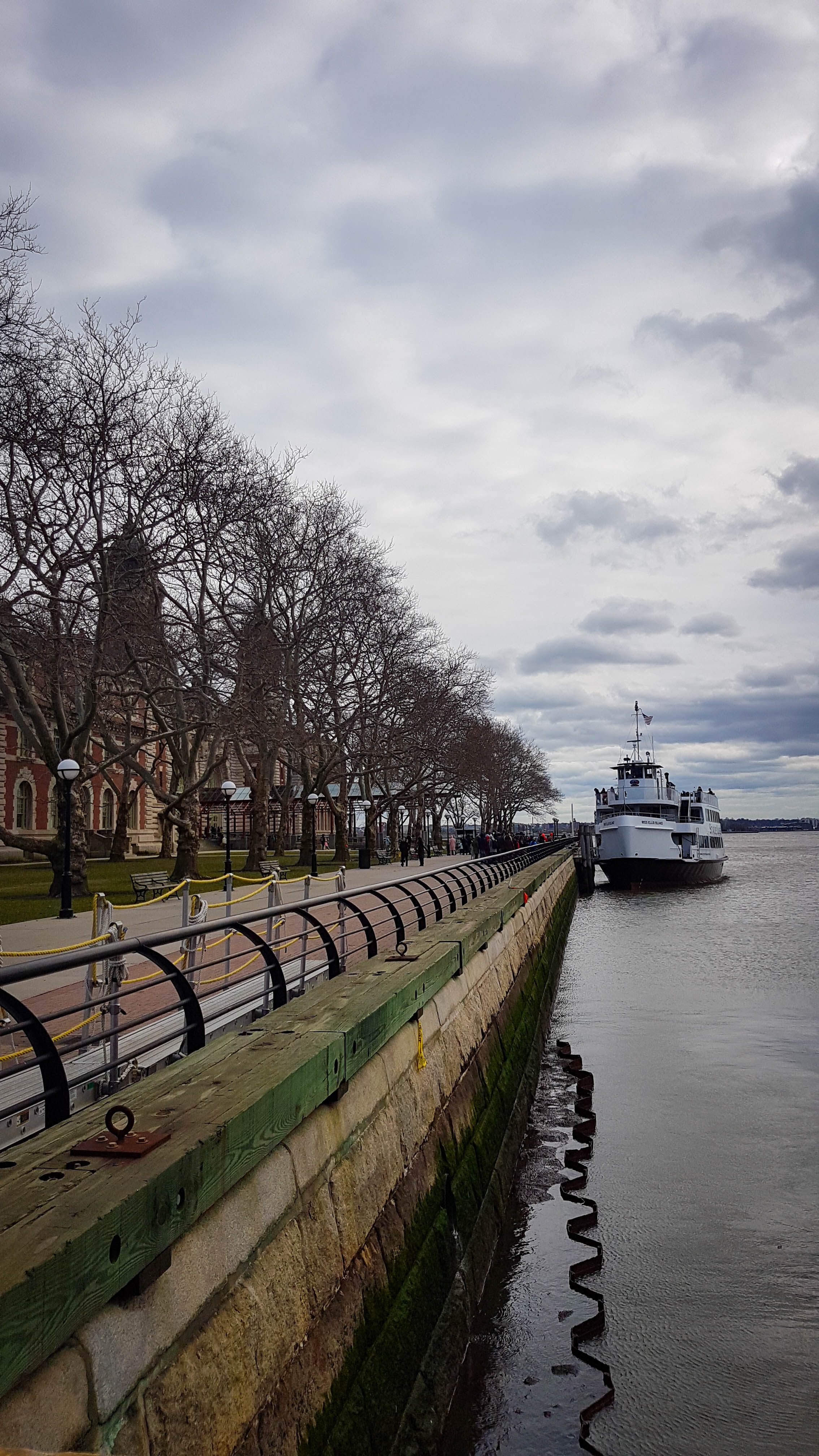
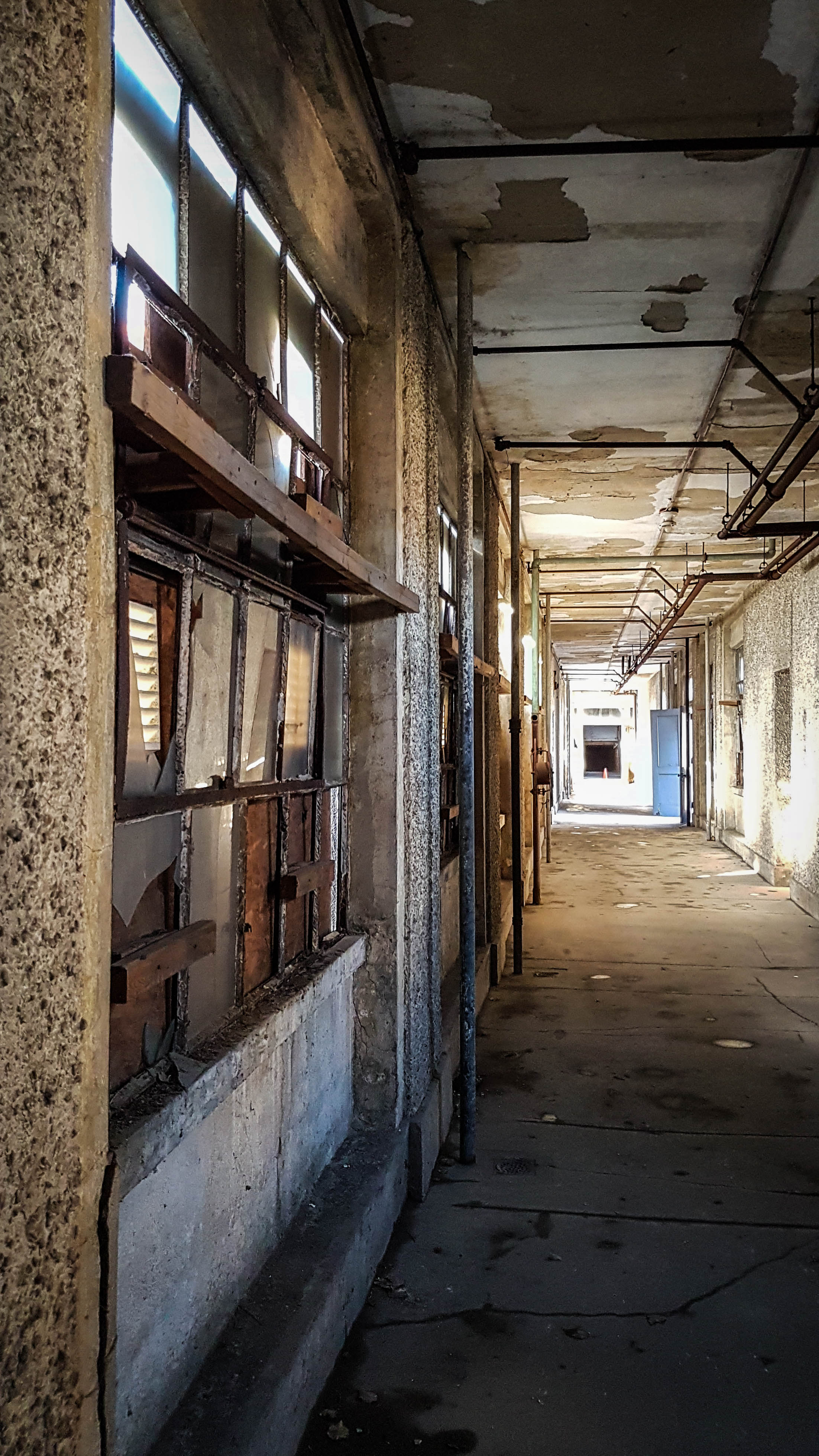
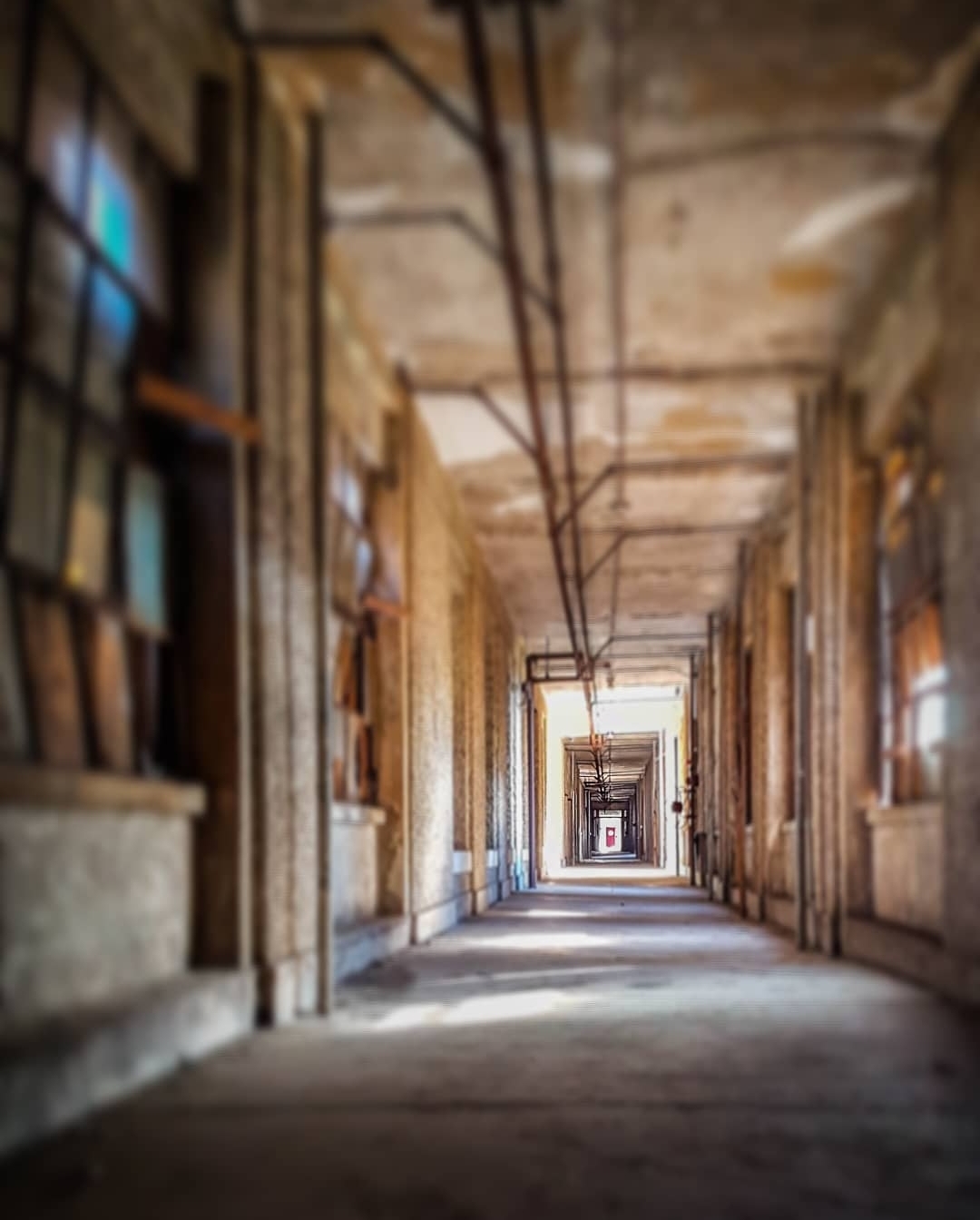
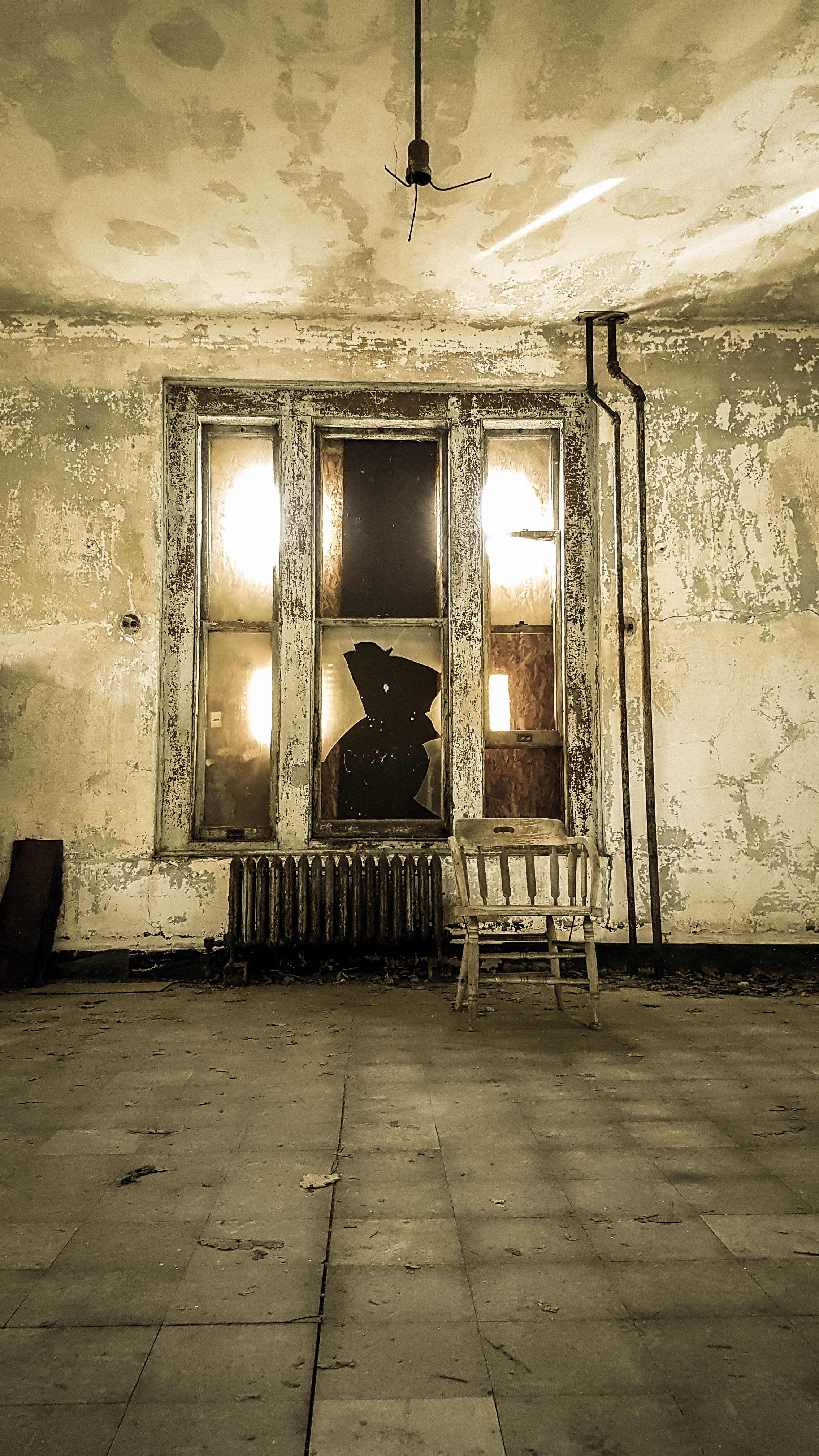
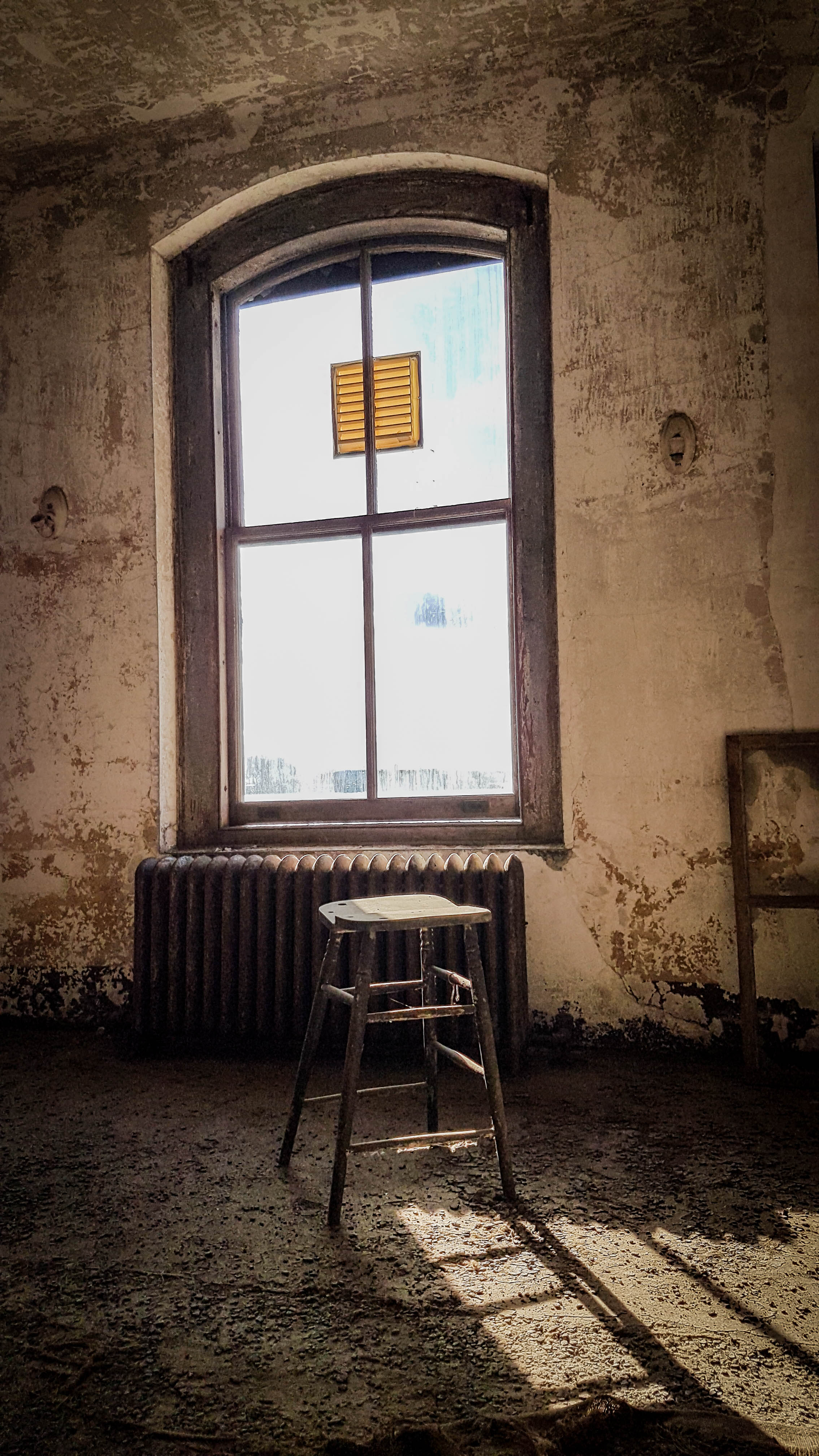
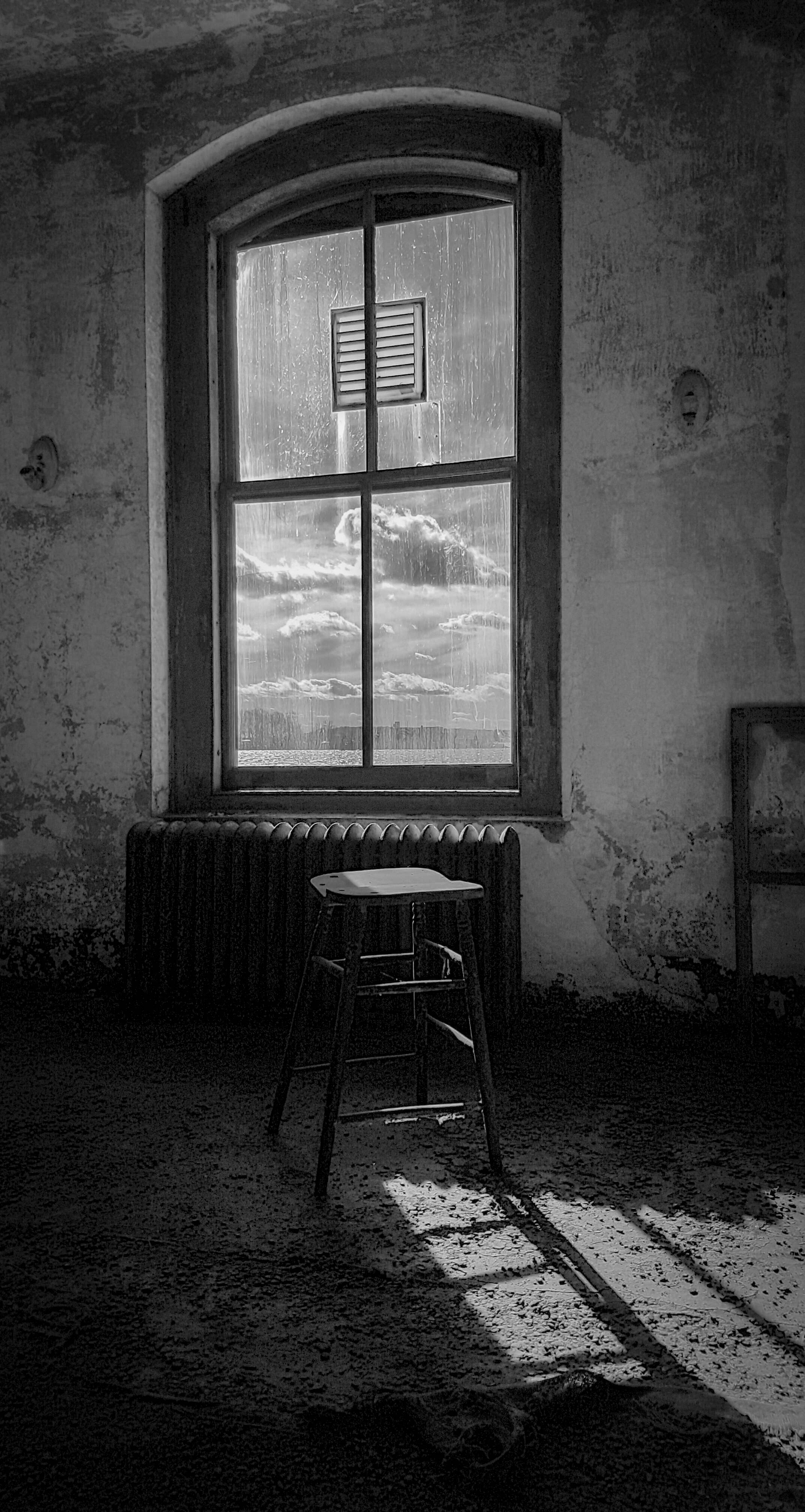
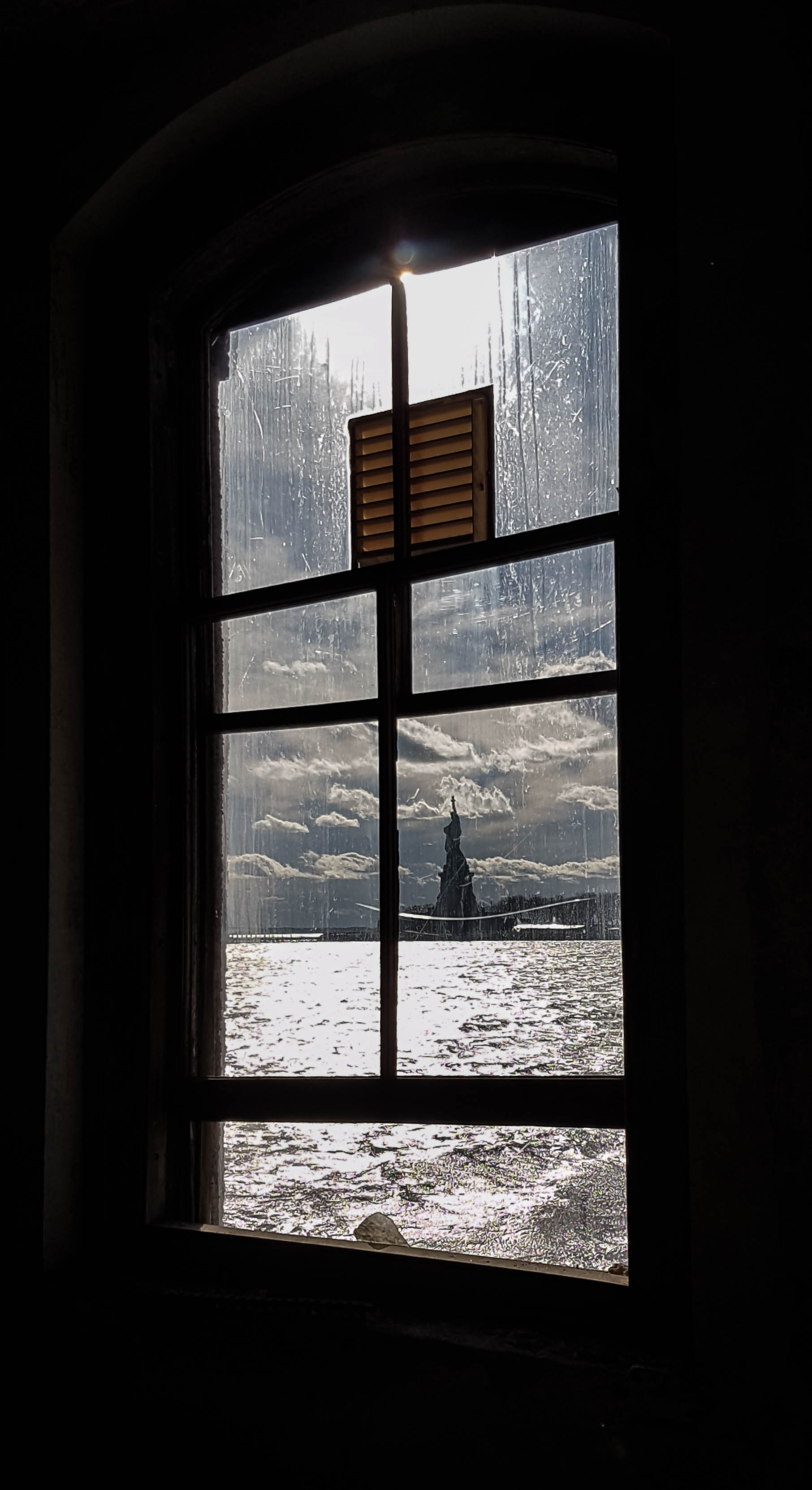
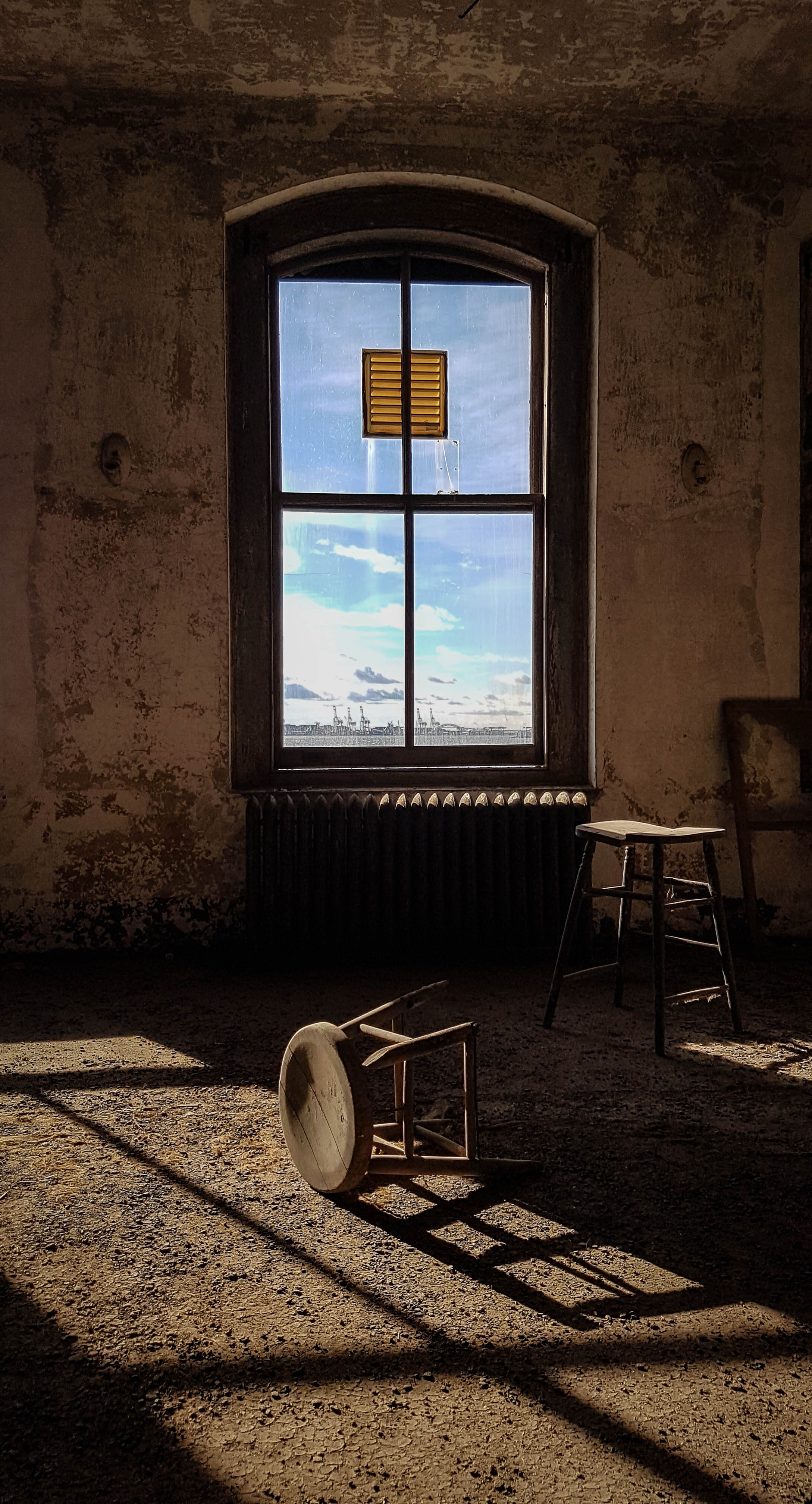
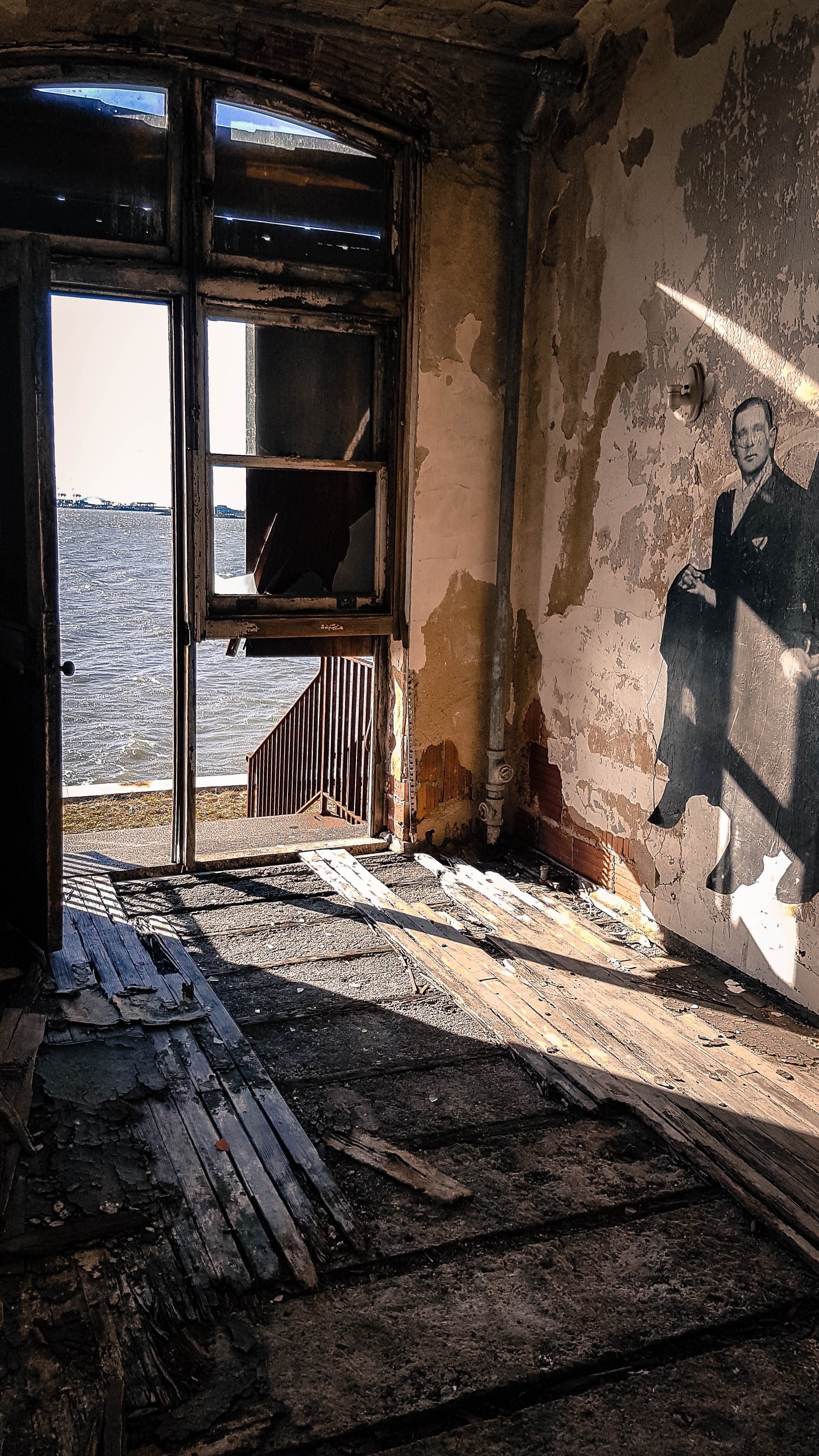
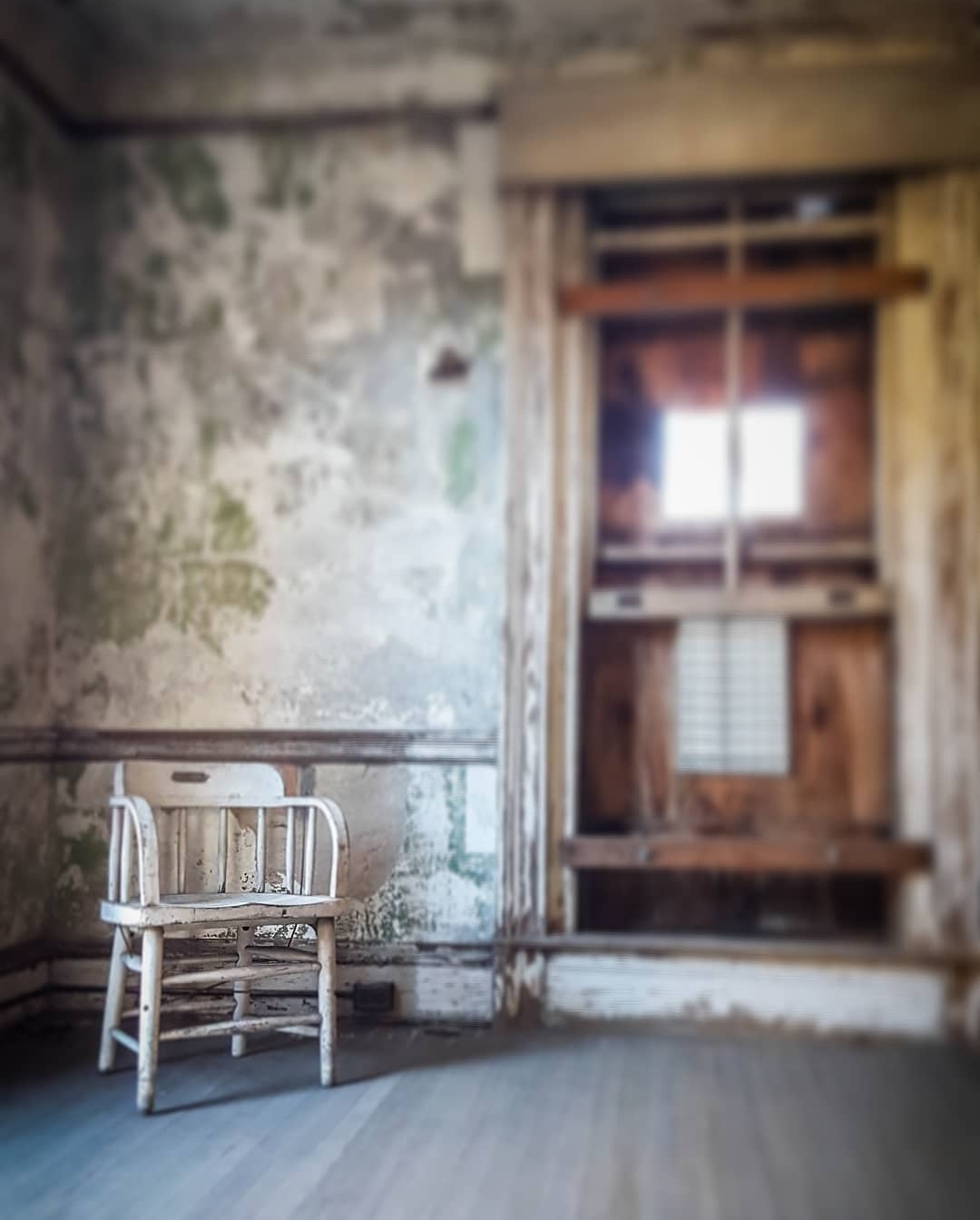
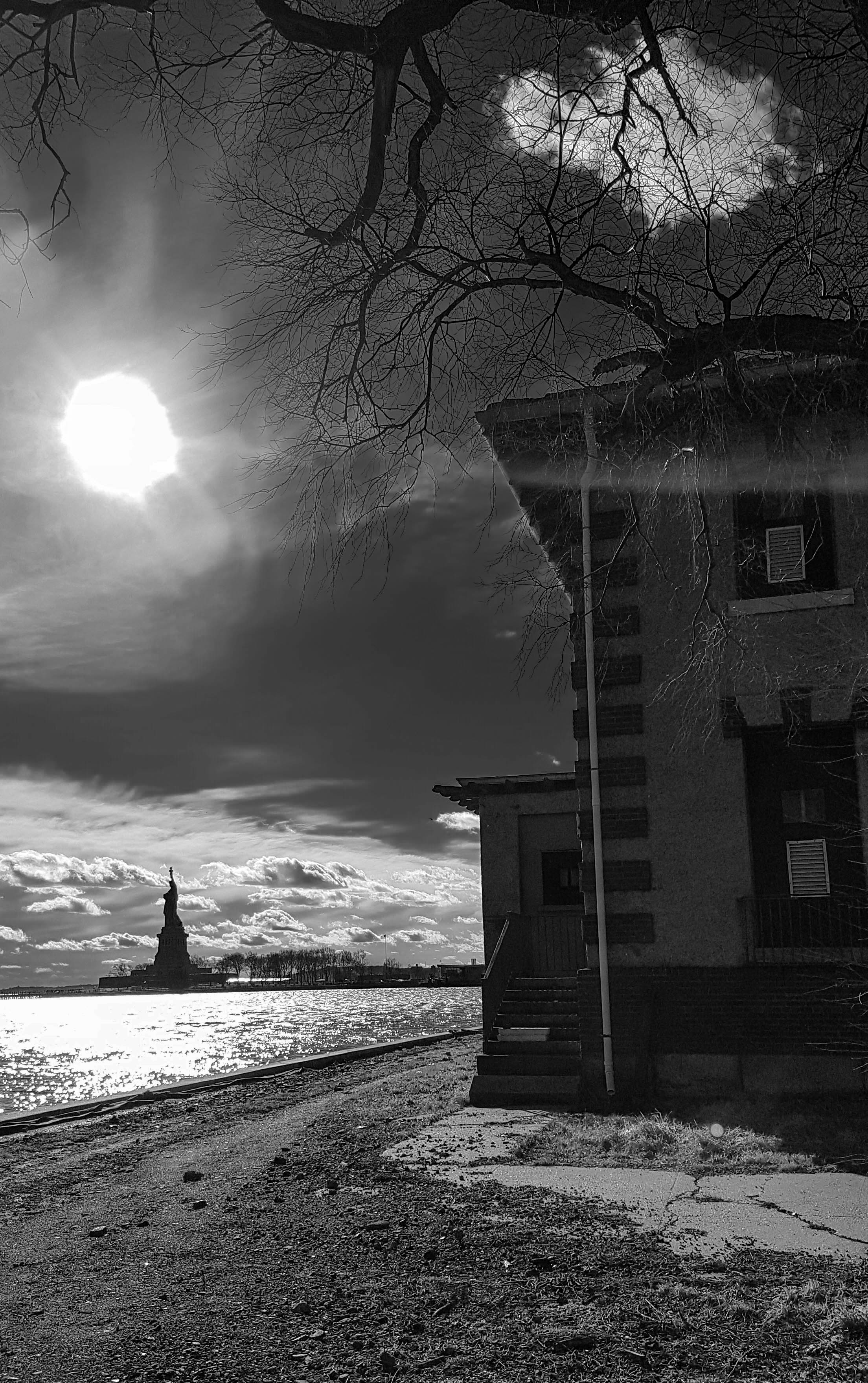
After our tour we had a few hours left to explore the museum but let me tell you, a few hours is just not enough to see every bit of this gigantic exhibition. Everything on display has its own story and is so detailed, it feels like you knew the person they are talking about. Give yourself time to view every part of the museum. If you only have an hour or so, go directly to the Great Hall, the room where every immigrant had to register. It’s the place you have seen in movies and documentaries and bursts of personal history. If you know that one of your ancestors entered the United States through Ellis Island, go to the American Family Immigration History Center. It has an online database of immigrant ship’s from the years 1892-1924. There you can search for information about your own ancestors for a small fee, but don’t worry, it’s worth more than money can buy.
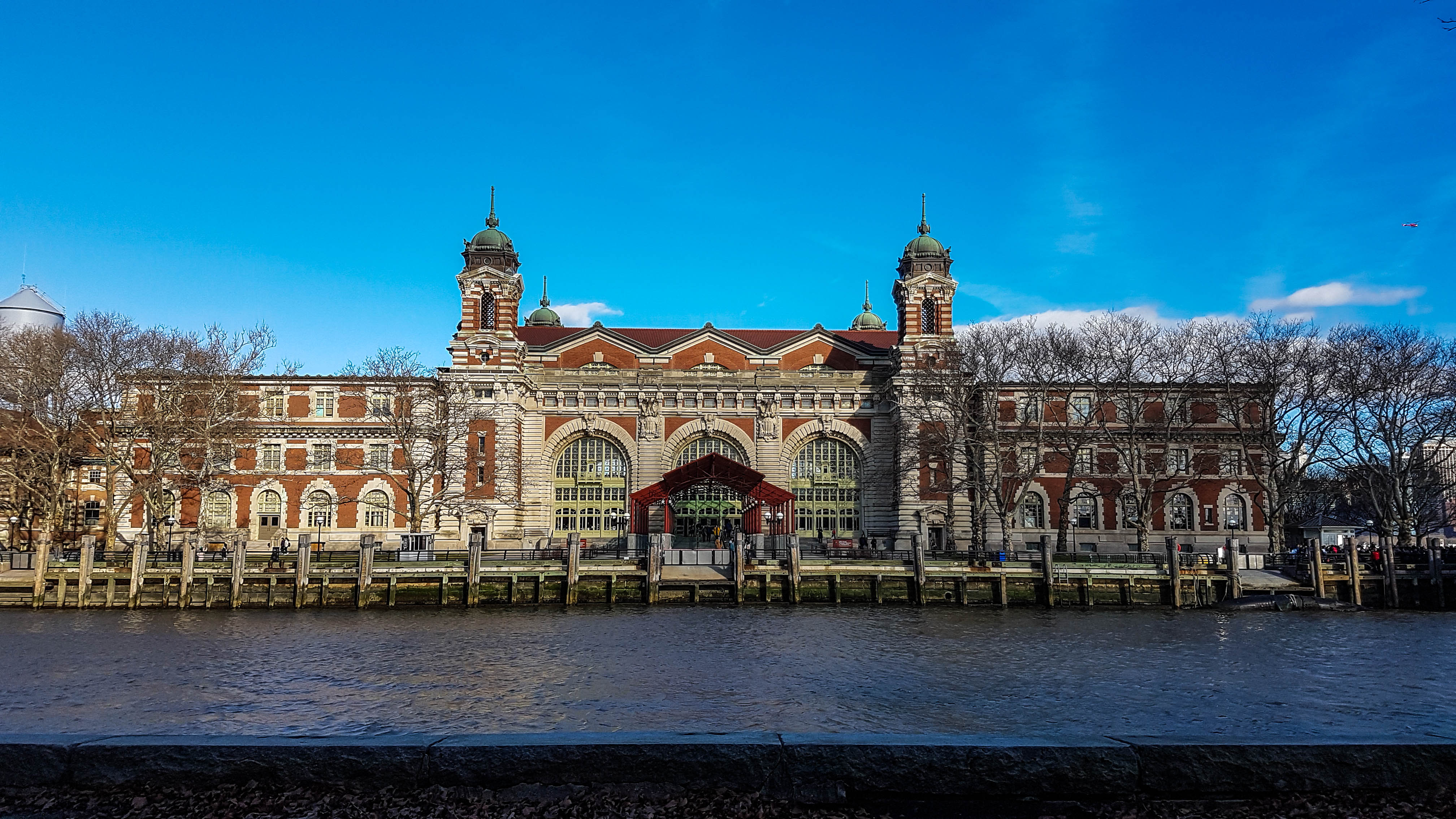
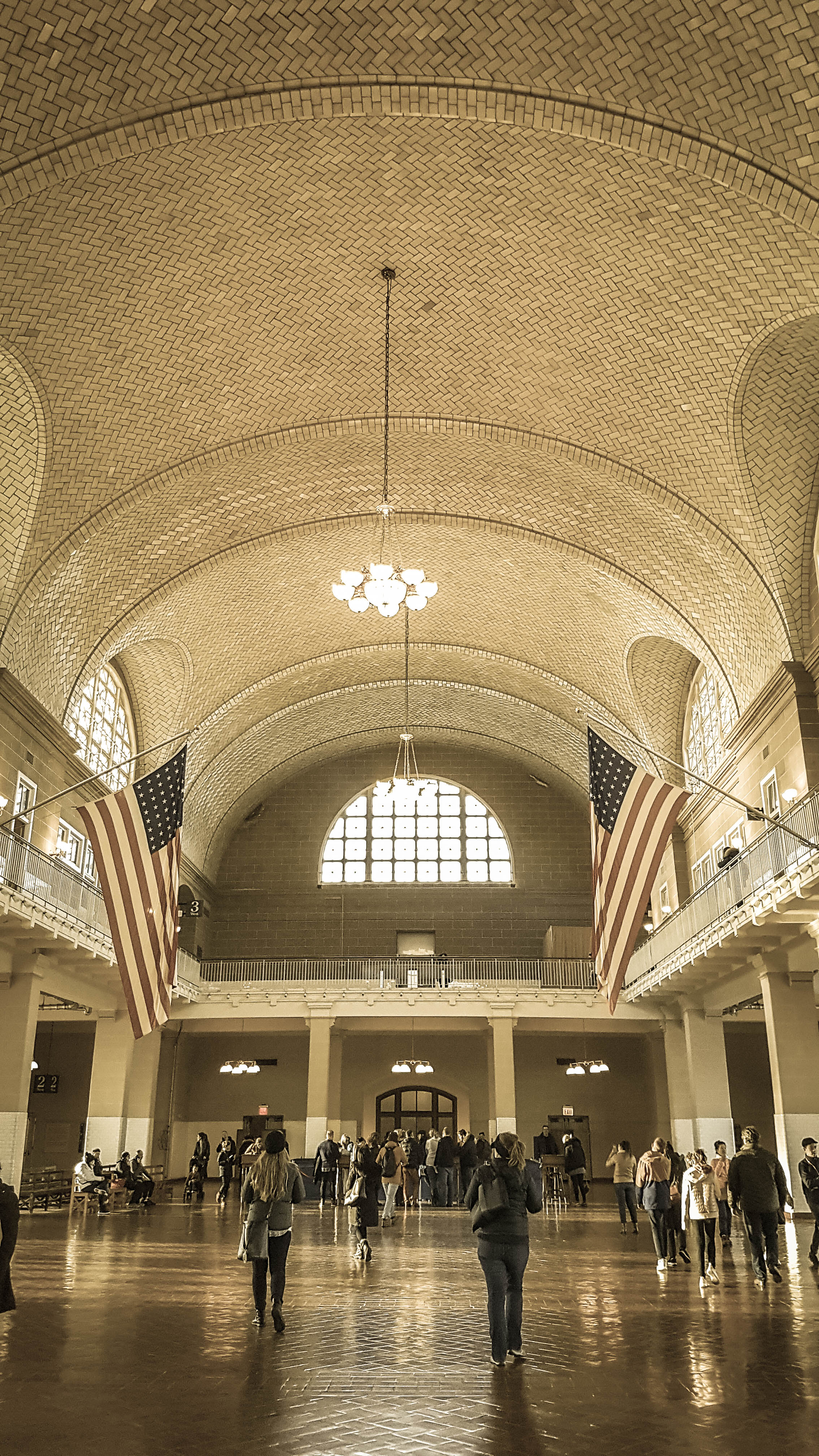
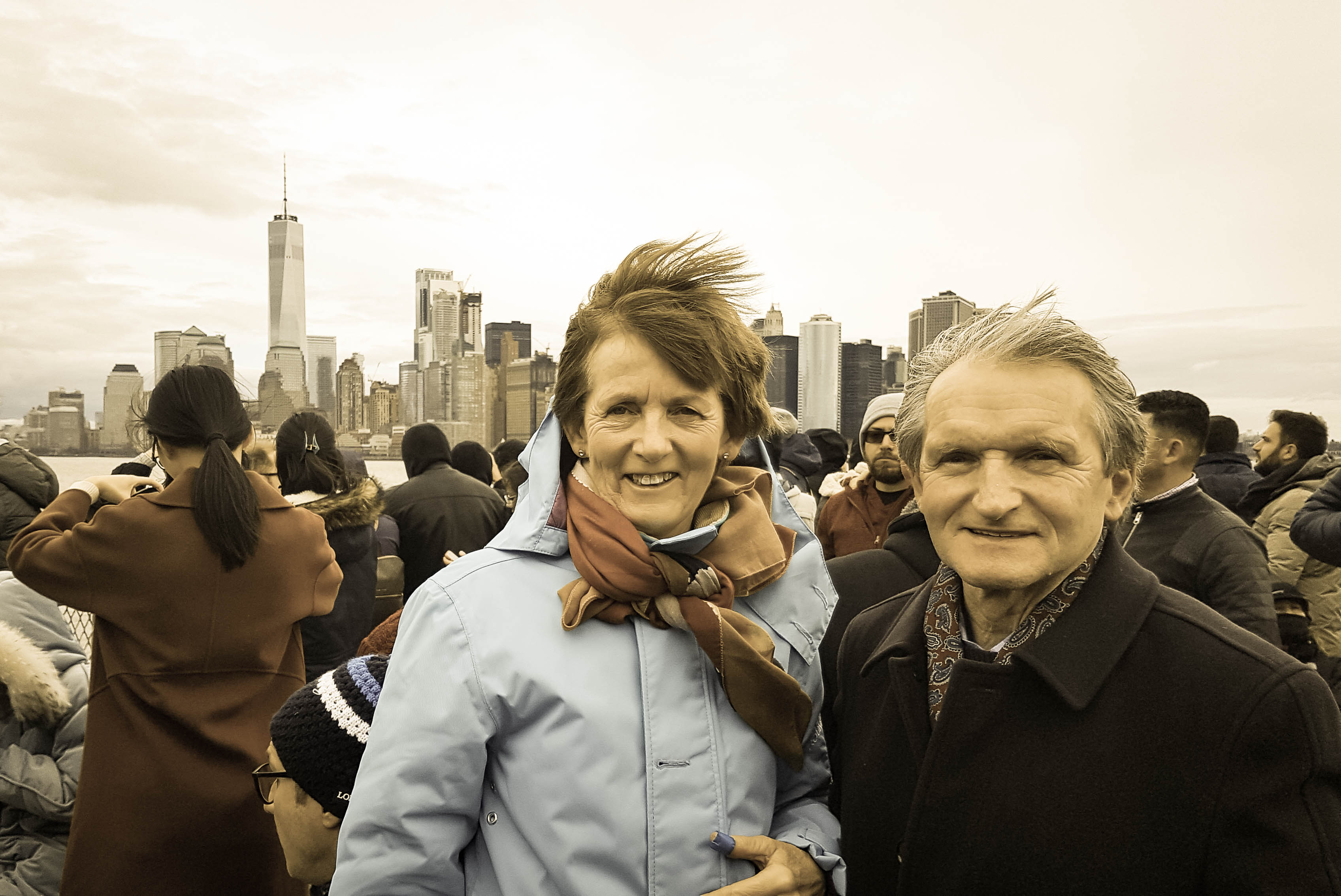
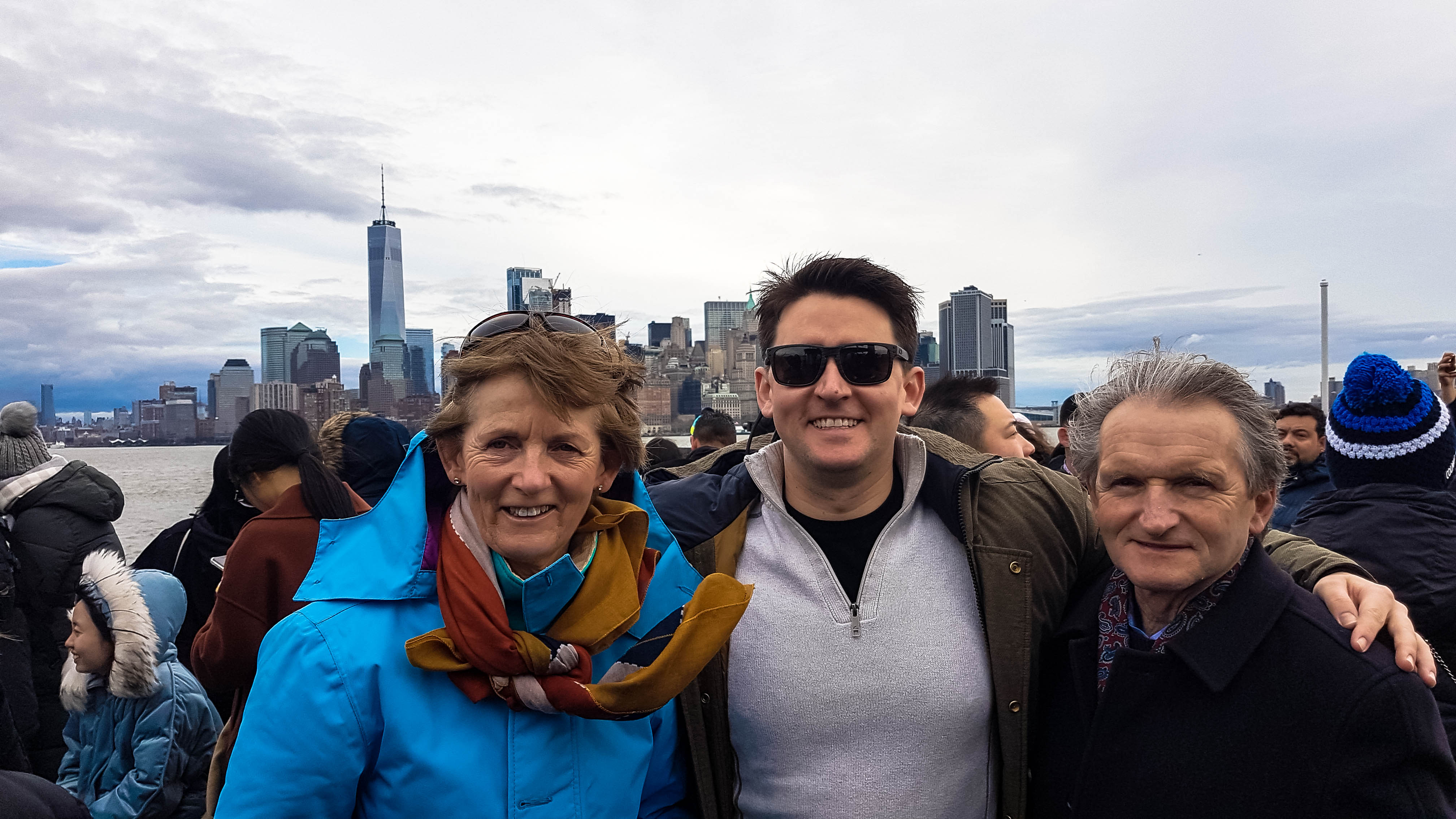
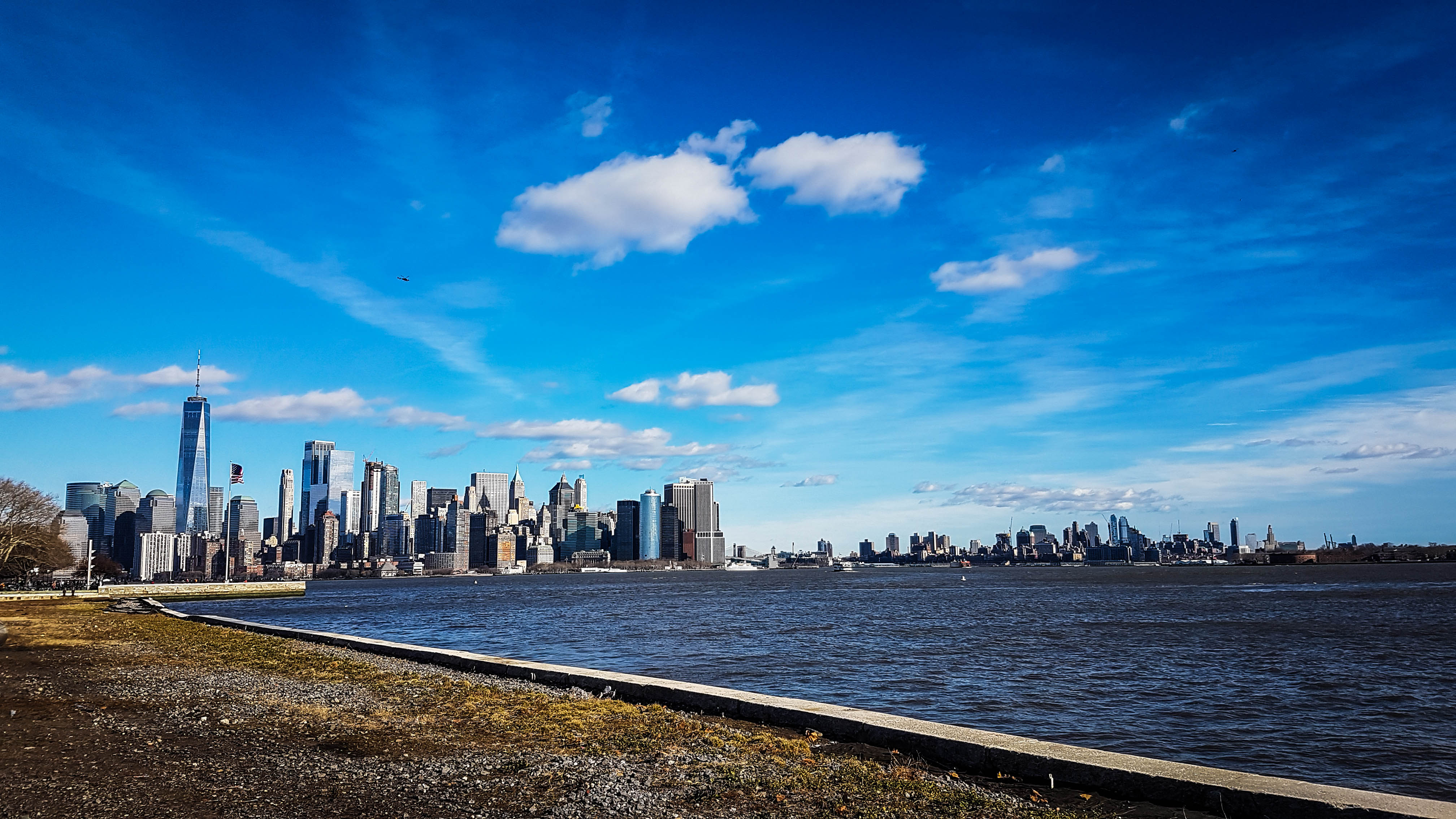
It took us the whole day and we didn’t manage to see every part of the museum. Unfortunately, we had to catch the last ferry back home before it got dark. And while we waved goodbye to Ellis Island and Liberty Island we turned around and said hello to the glistening lights of the Island of Manhattan, New York City.
Check out these useful links:
www.libertyellisfoundation.org
++++++++++++++++++++++++++++++++++++++++++++++++++++++++++++++++++
Als Shanes Eltern uns das erste Mal in unserem neuen Zuhause besucht haben, waren sie für 2 Wochen bei uns. Wir mussten uns also ein gutes Programm für die knapp 14 Tage überlegen. In einer Stadt, die niemals schläft und wortwörtlich alles zu bieten hat woran man auch nur denken kann, ist das nicht besonders schwer. Um ehrlich zu sein ist es manchmal eher überfordernd aus der gigantischen Auswahl an Aktivitäten herauszufiltern was man machen möchte. Broadway Musicals, Sportevents, Ausstellungen, Michelin Sterne Restaurants, egal wonach das Herz sich hier sehnt, in New York City wird man fündig.
Eines der beeindruckendsten Dinge, die wir gemacht haben war eine Tour auf Ellis Island und durch den verlassenen Krankenhauskomplex neben dem Immigrationsmuseum. Wenn ihr Euch mal in New York wiederfindet, müsst ihr unbedingt diese Tour machen und ein Stück Weltgeschichte miterleben. Jeder hat von der Welle an Immigranten gehört, welche über Ellis Island in den Vereinigten Staaten gelandet sind, und durch ihren Wunsch auf ein neues Leben in den USA das heutige Stadtbild von New York mitgeformt haben. Vor allem für die Iren ist diese Tour eine einzigartige Gelegenheit mehr über ihr eigenen Land zu lernen und darüber was die Iren bewegt hat ihre Heimat und ihre Familien zu verlassen, auf der Suche nach einem besseren Leben Tausende Meilen getrennt voneinander.
Sie alle haben sich auf Ellis Island wiedergefunden. Eine kleine Insel im New Yorker Hafen, nur einen gefühlten Steinwurf entfernt vom Festland. Der Drang des Neustarts wurde hervorgerufen von religiöser Verfolgung, politischen Unruhen, Arbeitslosigkeit im Heimatland, familiären Verbindungen oder der Suche nach Abenteuern. All diese Gründe führten zur größten Migration der modernen Weltgeschichte. Seit der Eröffnung 1892, sind mehr als 12 Million Menschen, die meisten kamen aus Europa, auf Ellis Island gelandet, mit einem Rekord von 11.747 Menschen am 17. April 1907. Die Einwanderungsstation war für fünf Jahre in Betrieb als ein Feuer das Gebäude zerstörte und die Holzstruktur niederbrannte, darunter eine Unzahl an Einwanderungsaufzeichnungen. Nach nur drei Jahren hatte New York ein neues, brandsicheres Gebäude um französischen Renaissancestil erbaut, welche seine Türen am 17. Dezember 1900 für die Neuankömmlinge öffnete.
Schiff über Schiff kamen die Leute in die USA. Ihre ersten Schritte in eine unbekannte Zukunft nehmend, wurden sie von medizinischem Personal beobachtet um an diesen Punkt, und bevor sie das Festland betreten sollten, jede Art von Krankheit oder körperlicher und mentaler Behinderung zu erkennen. Für Wochen oder sogar Monate waren Leute auf engstem Raum zusammen, vor allem in der Dritte Klasse Sektion auf Überseedampfern. Dies erhöhte verständlicherweise das Risiko ansteckende Krankheiten wie Masern, Tuberkulose, Influenza und andere Erreger einzuschleppen. Medizinische Inspektoren mussten jeden identifizieren, der ungesund oder mental instabil wirkte und medizinische Behandlung benötigte. Dazu zählten auch Schwangere. Nach der Beantwortung eines Fragenkataloges von bis zu 31 persönlichen Fragen und zu den Gründen und Plänen dieser Übersiedlung, erhielt die Mehrheit Zutritt zu den Vereinigten Staaten von Amerika. Zirka 20 Prozent mussten auf Ellis Island bleiben und sich weiterer medizinischer und rechtlicher Prüfung unterziehen. Viele fanden sich in dem Krankenhauskomplex wieder, welches zur damaligen Zeit zu den modernsten Krankenhäusern zählte. Für ungefähr 2 Prozent endete die Reise bevor sie begann und sie mussten den nächsten Überseedampfer besteigen und die Vereinigten Staaten verlassen.
In den 1920ern übernahmen US Konsulate die Einreiseinspektion und den weiteren Einreiseprozess. Ellis Island blieb zurück mit einem Deportationszentrum und einem Gesundheits-Service-Krankenhaus. 1954 wurde die Einwanderungsstation auf Ellis Island komplett geschlossen. Nach zehnjähriger Restaurierung eröffnete das Hauptgebäude als Immigrationsmuseum im Jahr 1990 und bieten seitdem jedem die Möglichkeit die Schritte von Leuten nachzuziehen, die ein neues Leben in einem neuen Land suchten.
Heutzutage können Besucher, so wie wir, das Hauptgebäude erkunden und wie so viele vor uns, durch die Große Halle laufen. Einziger Unterschied, wir müssen keine Angst davor haben, dass man uns nicht erlaubt New York City zu betreten. Mit einer gebuchten Tour kommt man mit der Fähre direkt am Museum an. Mit dieser logischen Form des Transports (wie sollte man sonst auf eine Insel kommen), wird die Reise von Millionen Migranten nachempfunden und ich glaube, dass die meisten Leute das nicht einmal realisieren. Als Besucher beginnt man seine Reise am Ziel vieler Immigranten: dem Battery Park am südlichen Zipfel von Manhattan. Mit der Fähre geht es erst vorbei an Liberty Island und ganz nah an die Lady, deren Sicht für so viele der langersehnte Blick auf eine bessere Zukunft darstellen sollte. Die Freiheitsstatue sitzt auf einer kleinen Insel direkt vor Ellis Island und war das erste ikonische Wahrzeichen von Amerika. Wir sind auf Liberty Island nicht ausgestiegen, da wir eine Schutzhelm Tour für den verlassenen Krankenhauskomplex gebucht hatten und pünktlich dort sein mussten. Wir landeten auf Ellis Island wie jeder Immigrant es getan hatte, standen vor einem beeindruckenden Gebäude, dessen Türen weit geöffnet waren, um uns willkommen zu heißen. Nachdem wir unsere Gruppe gefunden hatten, begann unsere 90minütige Tour durch eine der vielen Dozenten von „Rettet Ellis Island“, einer Organisation, die versucht den verlassenen Komplex durch Spendengelder zu retten. Nach Hurrikan Sandy war das alte Krankenhaus nahezu vollständig geflutet und für einige Jahre nicht begehbar. Dank vieler Spendengelder können jedes Jahr weitere Bereiche des Komplexes für die Öffentlichkeit wieder geöffnet werden, da es aber weiterhin nicht 100 Prozent sicher ist, muss jeder eine geführte Tour machen und einen Bauhelm tragen, nur für den Fall, dass von Oben von runterfällt. Dafür erhält man einen fantastischen Einblick hinter die Kulissen und bewegt sich in einem Paradies für Fotografen. Schaut Euch mal die Fotos an.
Nach unserer Tour hatten wir ein paar Stunden Zeit das Museum zu erkunden. Ein paar Stunden sind allerdings nicht genug Zeit, um jeden Teil dieser gigantischen Ausstellung zu sehen. Jedes ausgestellte Artefakt hat seine eigene Geschichte und ist so detailliert aufbereitet, dass man das Gefühl hat jede Person persönlich gekannt zu haben. Gebt Euch genug Zeit alles zu besichtigen, es lohnt sich. Und solltet ihr nicht so viel Zeit haben, geht auf jeden Fall zur großen Hallen, dem Raum in welchem jeder Immigrant registriert wurde. Ihr erkennt diese Halle bestimmt aus Filmen und Dokumentationen wieder und sprüht nur so vor persönlicher Geschichte. Falls ihr wisst, dass jemand in Eurer Familie über Ellis Island in die USA eingereist ist, geht zum „American Family Immigration History Center“. Dort gibt es eine Datenbank der Einwandererschiffe von 1892 bis 1924 und ihr könnt gegen einen Aufpreis Informationen zu Euren Vorfahren finden. Sehr empfehlenswert und da lohnt sich auch jeder Cent, wenn man diesen unbezahlbaren Einblick in die eigene Familiengeschichte erhält.
Wir haben den ganzen Tag auf Ellis Island verbracht und es trotzdem nicht geschafft jeden Teil des Museums zu besichtigen. Wir werden wohl zurückkommen müssen. Doch erstmal mussten wir die letzte Fähre zurück nach Hause nehmen. Und während es langsam dunkel wurde und wir Ellis Island und Liberty Island zuwinkten, drehten wir uns um und sagten hallo zu den glitzernden Lichtern der Insel Manhattan, New York City.
 Denise and Shane got on a plane
Liebe Denise, ein überaus beeindruckender und spannender Bericht, der eigentlich in
jede Zeitung gehört damit auch alle die es angeht informiert sind.
Ich bin begeistert.
LikeLike