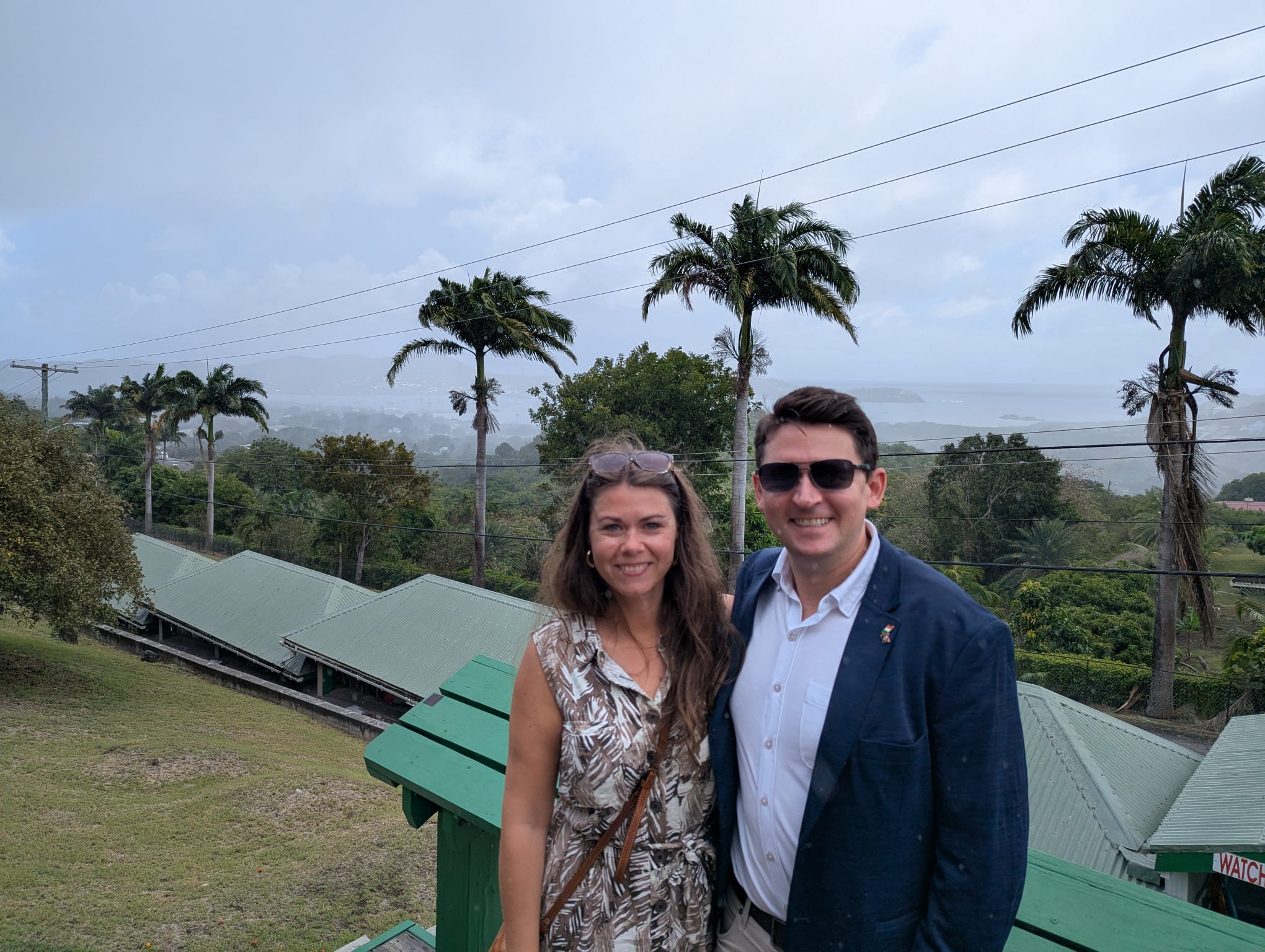
You’ve probably been wondering what we’ve been up to lately—and the honest answer is: not a whole lot.
Since Christmas, Shane has basically been on the move nonstop, and I haven’t had much of a chance to join him. But I did manage to squeeze in a short (and very cute) little getaway to Antigua.
If your first thought is, “Antigua… where exactly is that?”—don’t worry, you’re definitely not alone.
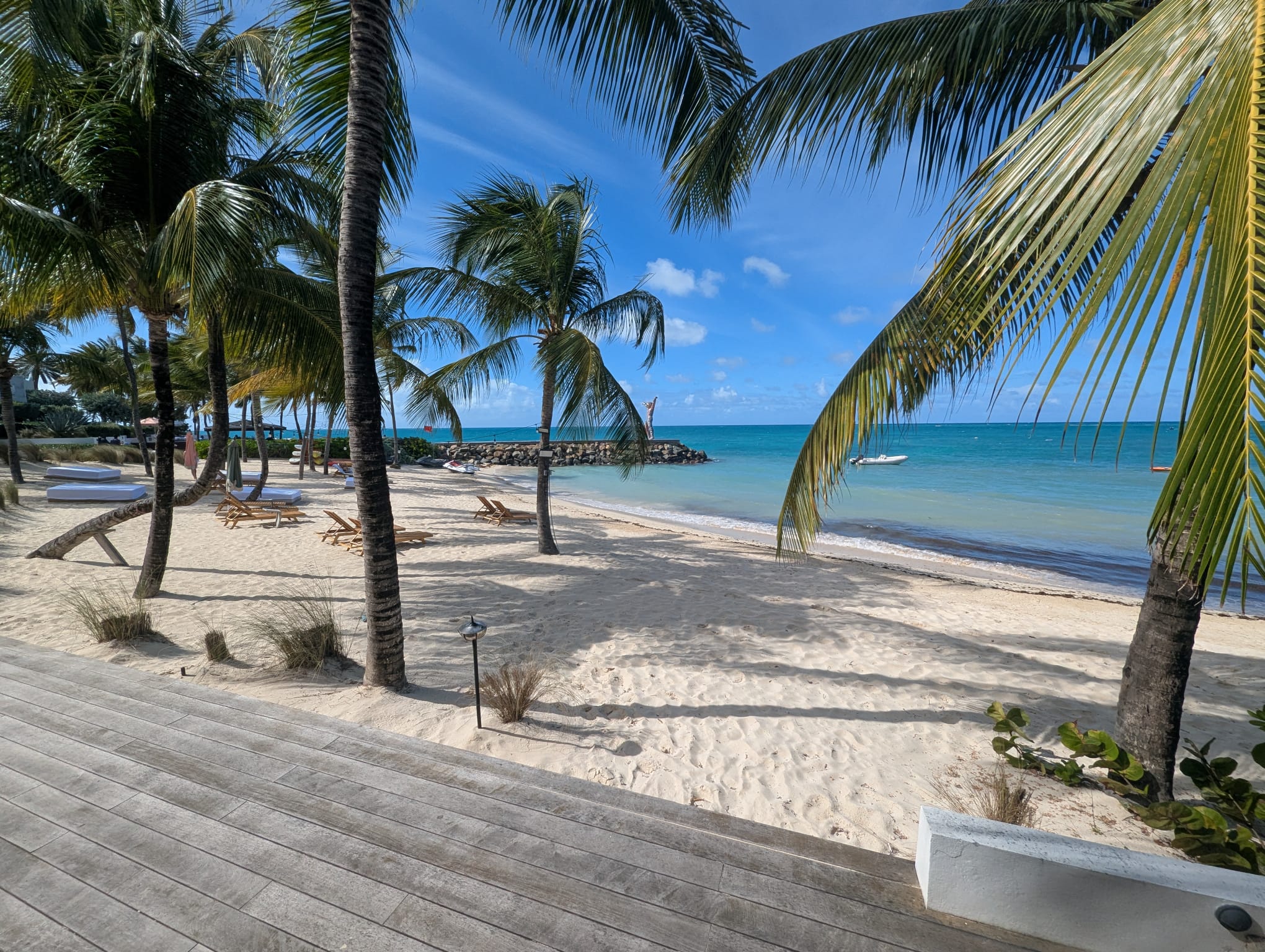
Antigua and Barbuda, as it’s officially called, is a Caribbean nation made up of two islands. It’s best known for its beaches (365 of them, yes—technically one for every day of the year), its tropical climate, and, unsurprisingly, tourism.
Even though it has strong historical ties to the United Kingdom, the country gained independence in 1981 and is now a constitutional monarchy. In other words: it has its own government and Prime Minister, but King Charles is still the official head of state. And yes, you can still clearly see the British influence—whether it’s in the architecture or in place names like the capital, St. John’s.
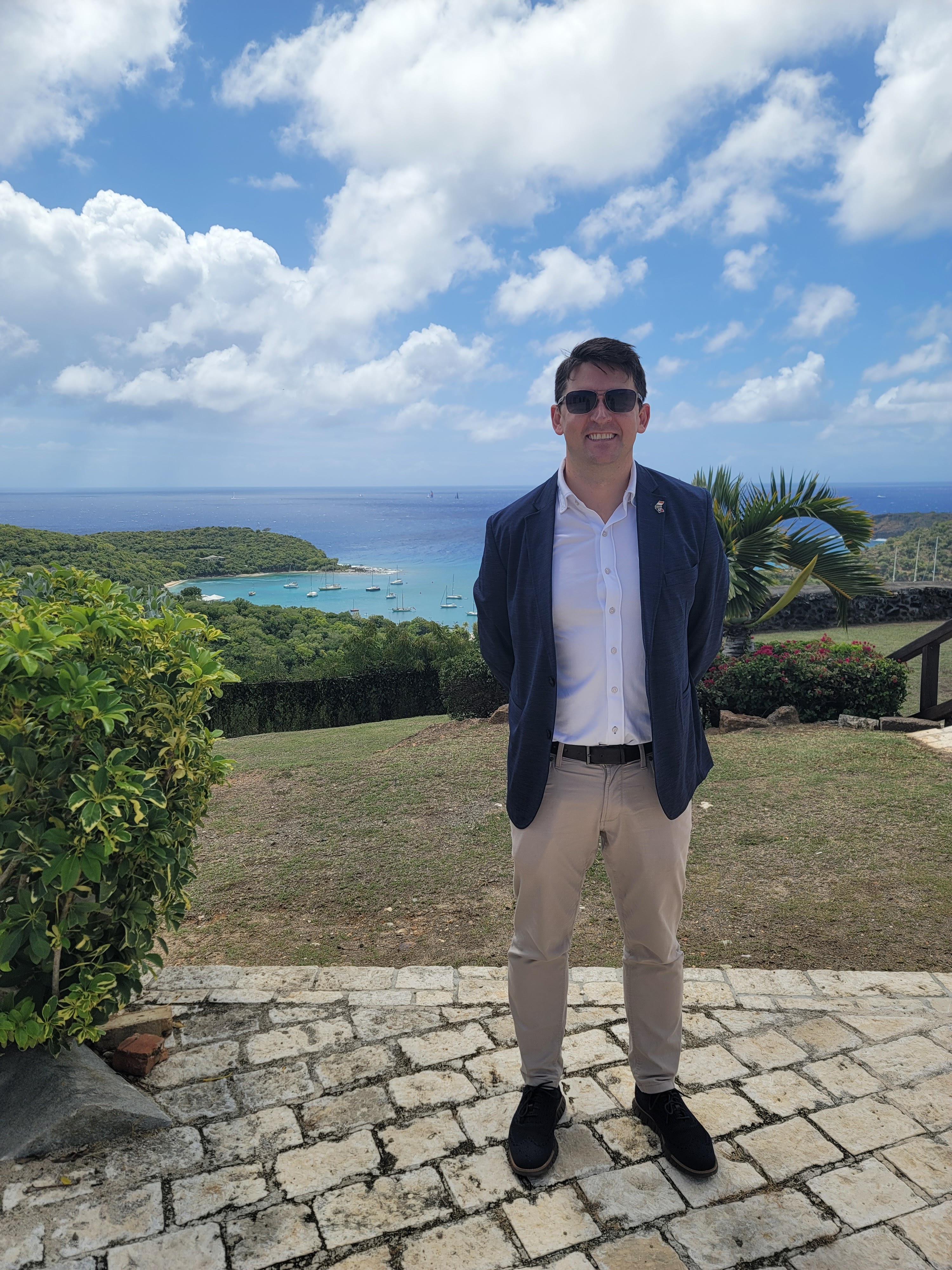
Shane had already been there for a few days before I joined him for the weekend. The flight is a pretty easy three hours, and I landed just after 2pm on Friday. That gave us about a day and a half, and we tried to fit in as much as possible—alongside a few of his meetings.
So… what do you actually do in Antigua?
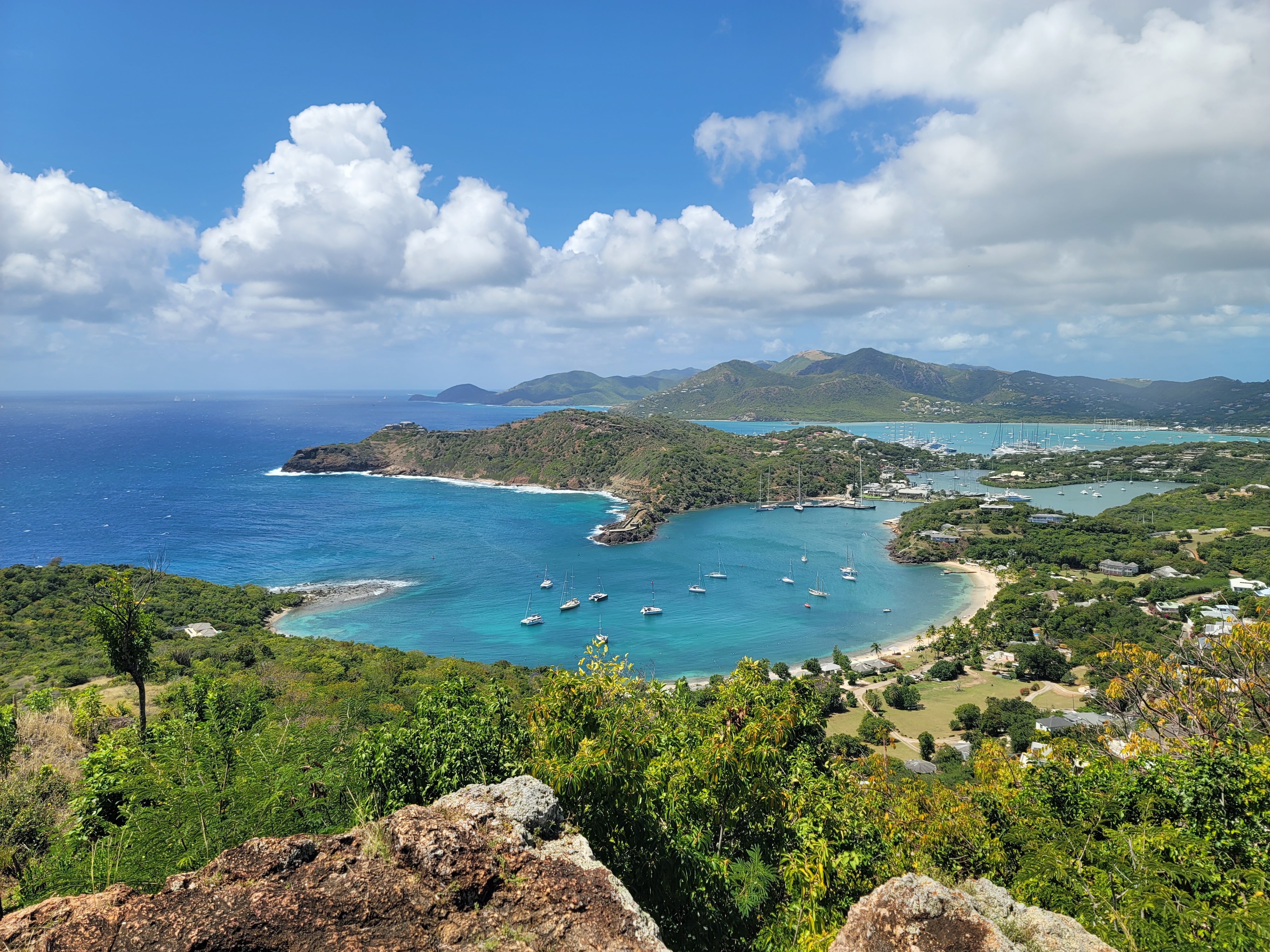
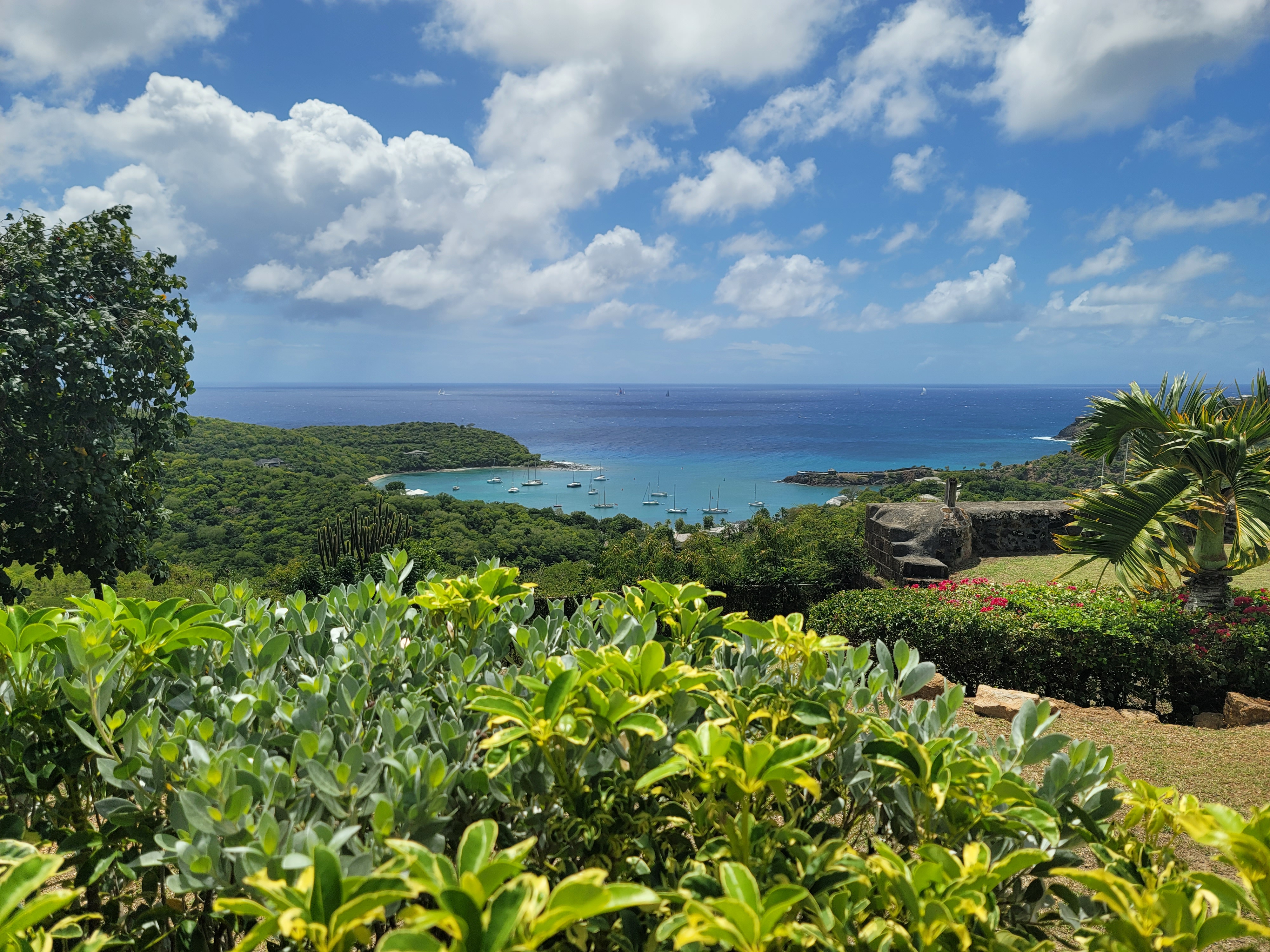
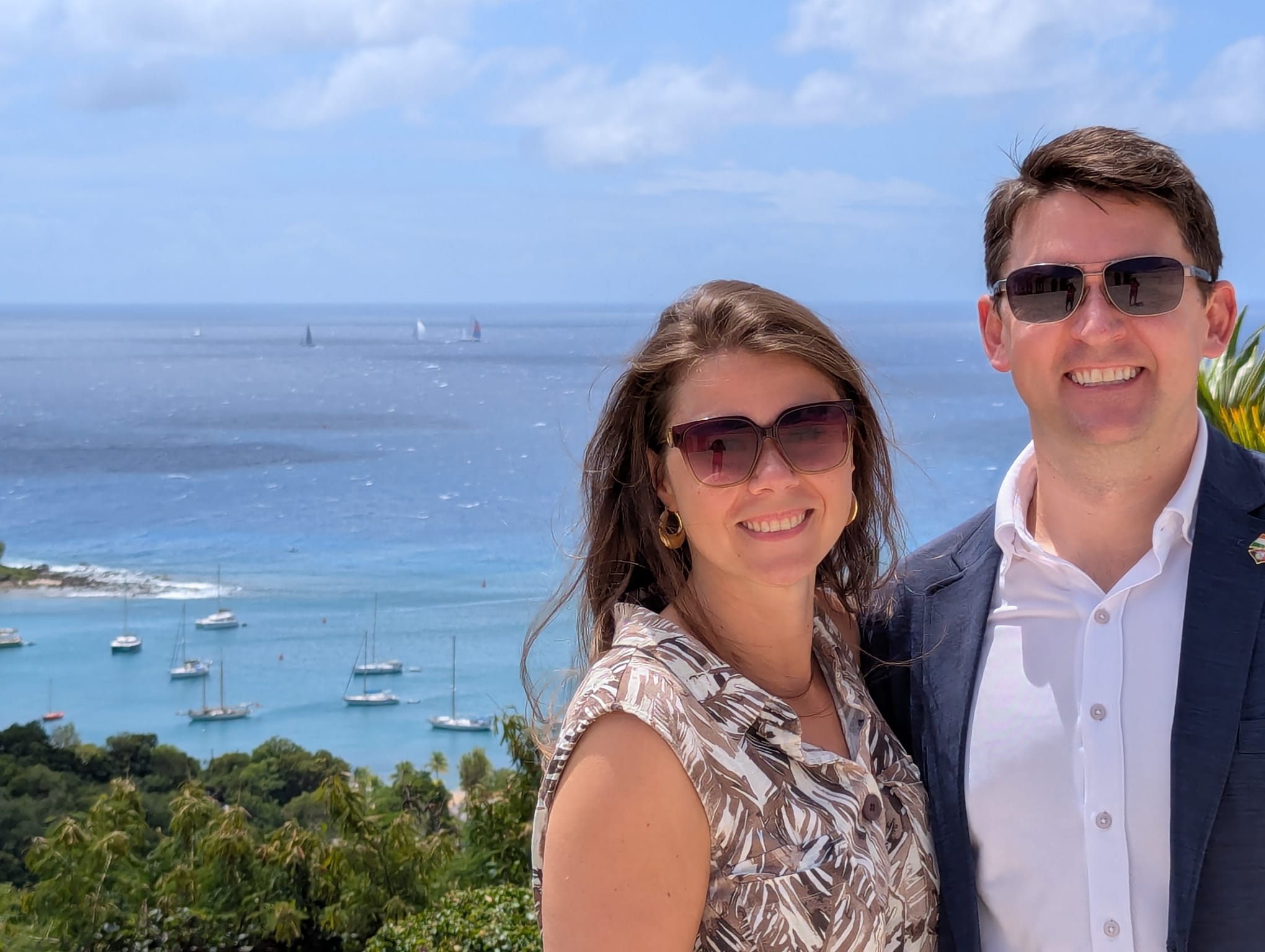
One absolute must-see is English Harbour in the south of the island. The town gets its name from the harbour where the Royal Navy established a base back in the 18th century. These days, it’s all about life on the water—sailboats, yachts, massive superyachts—you could easily sit there for hours just watching them come and go.
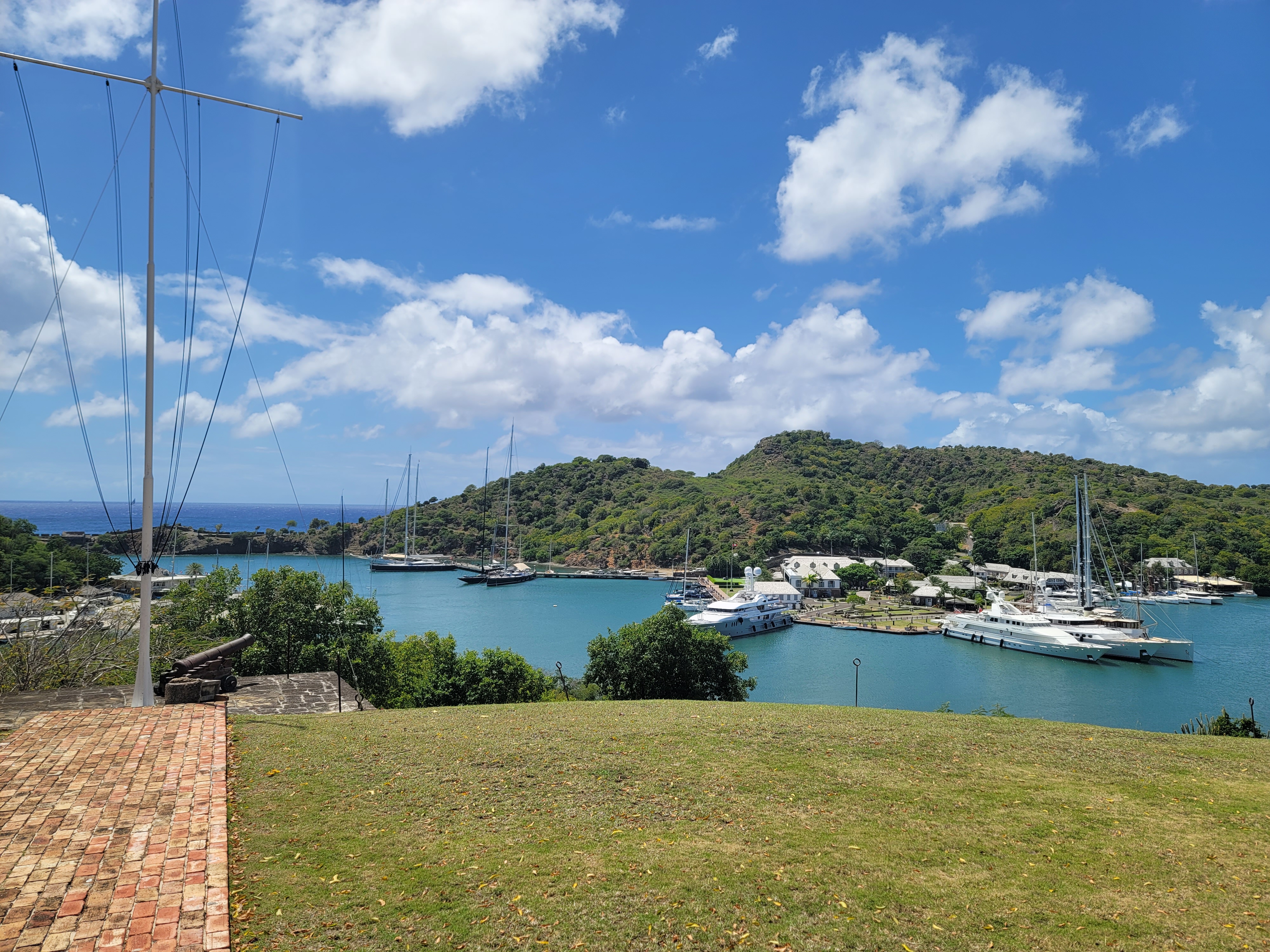
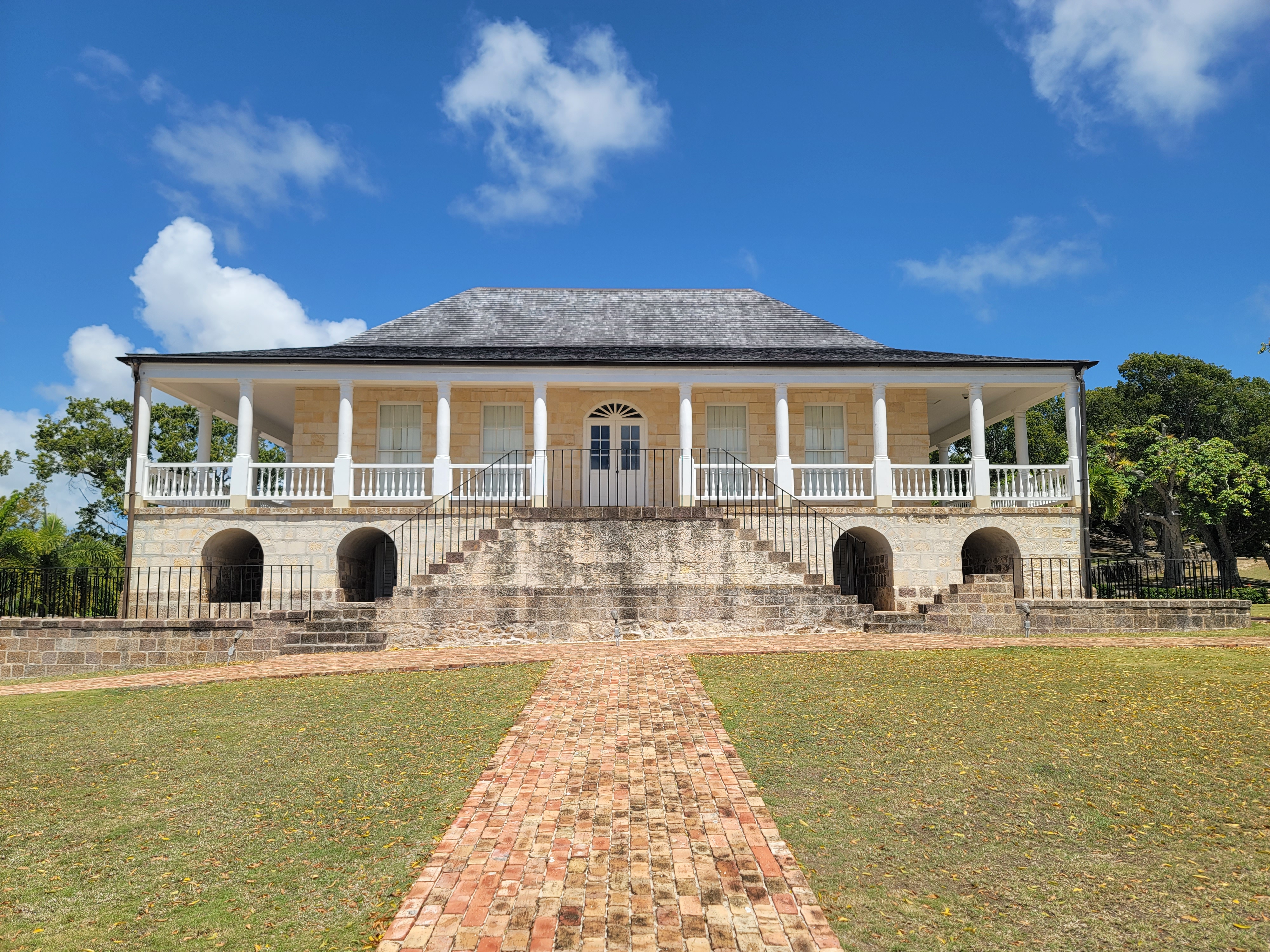
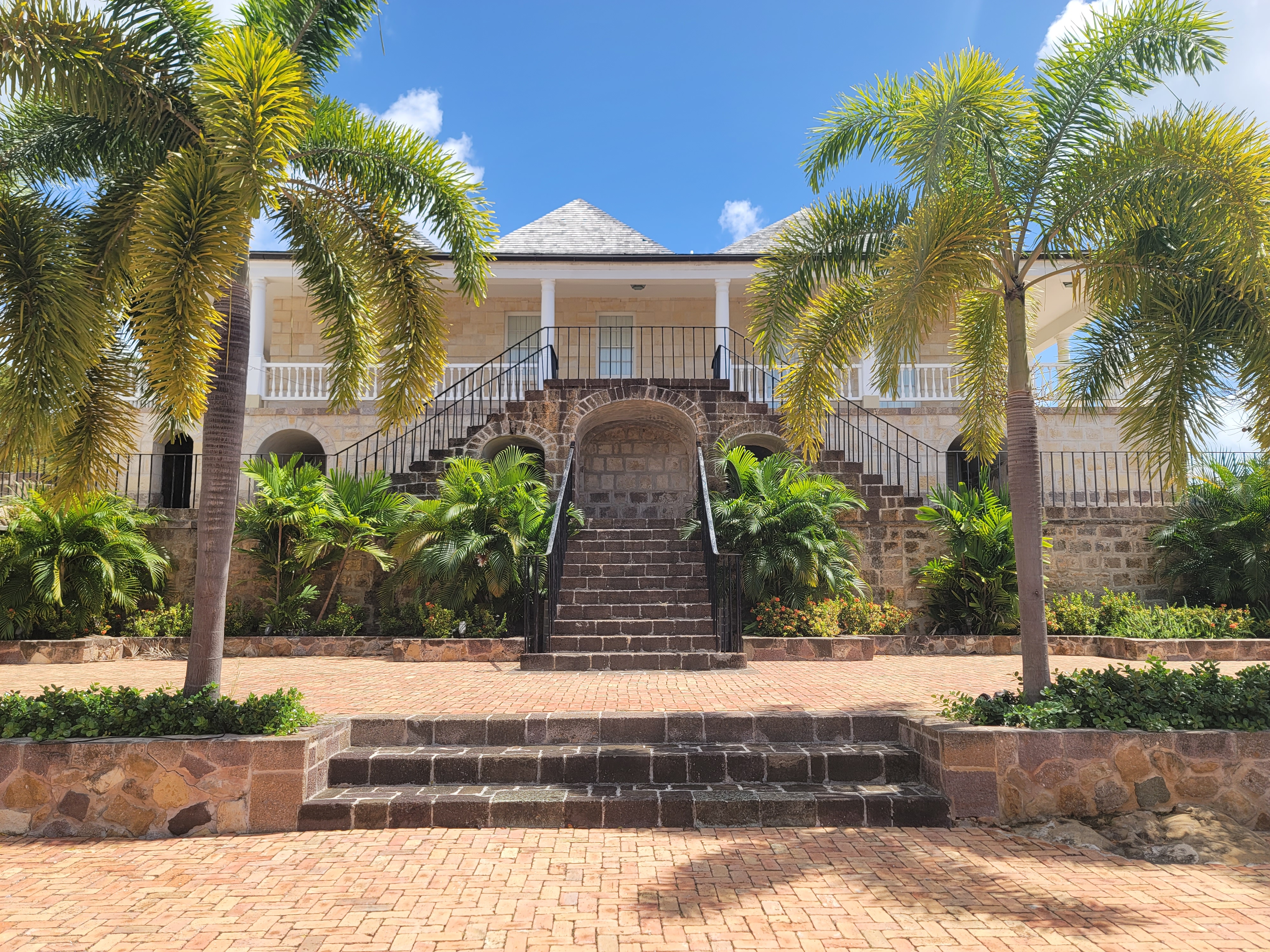
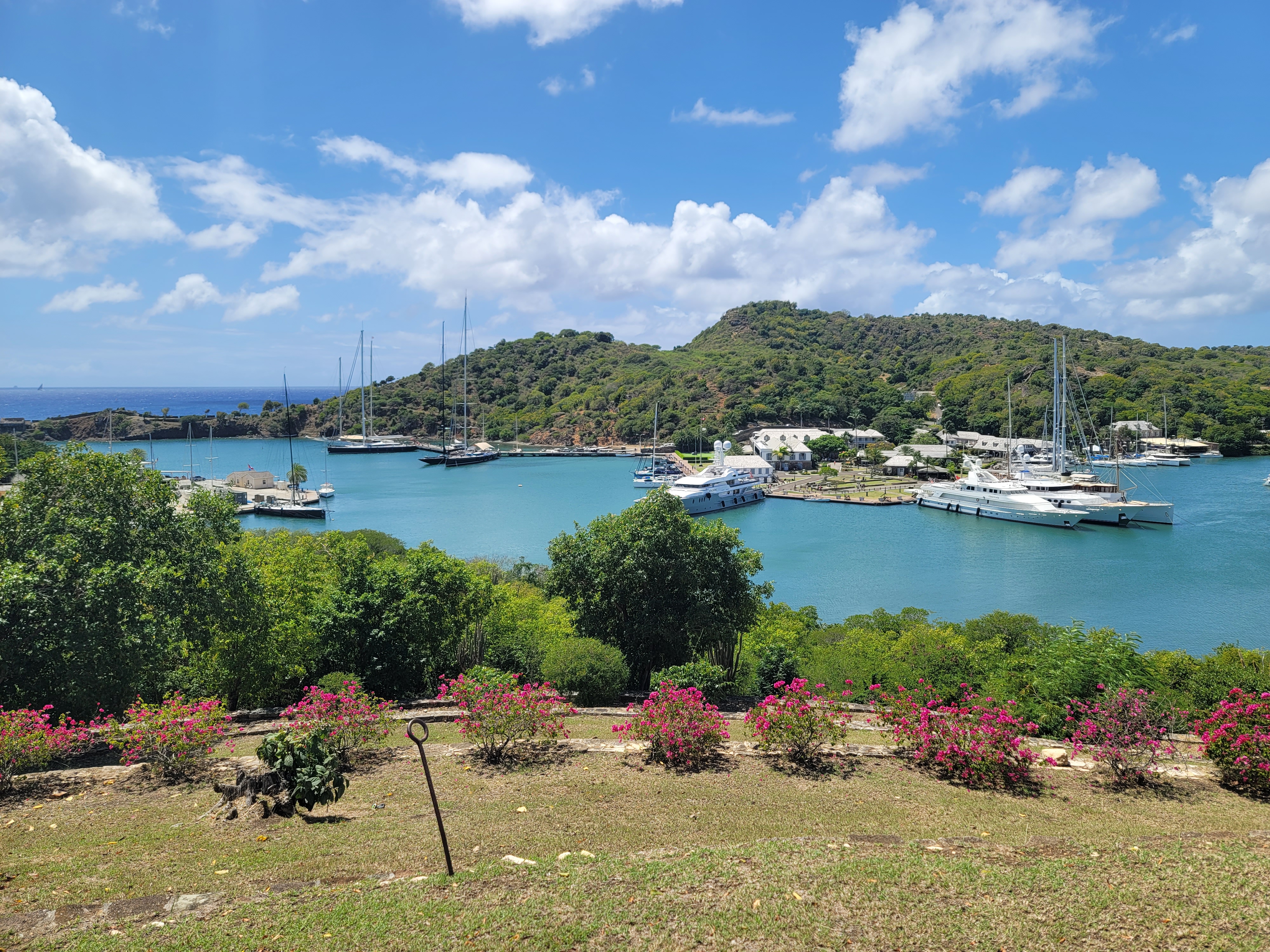
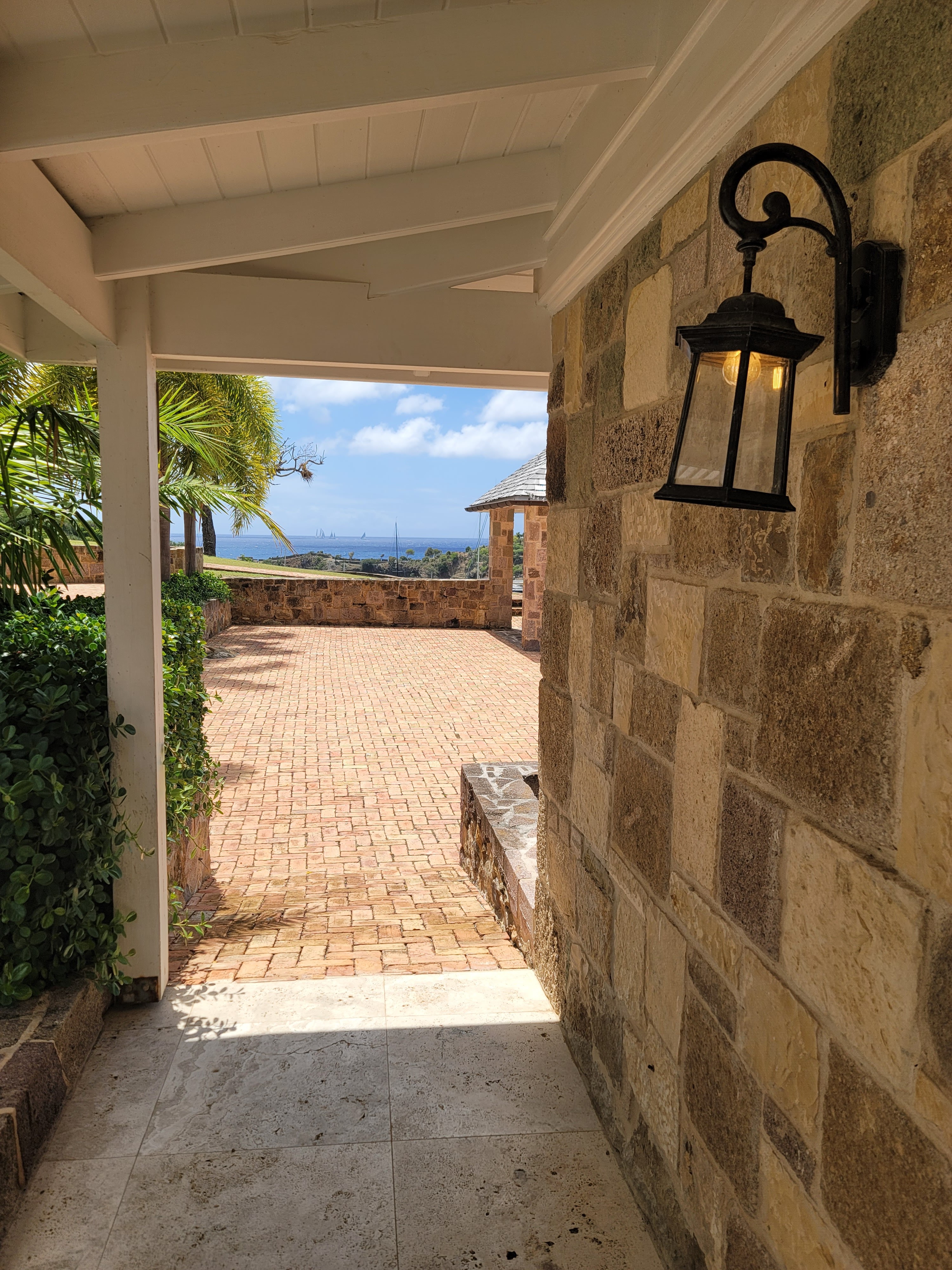
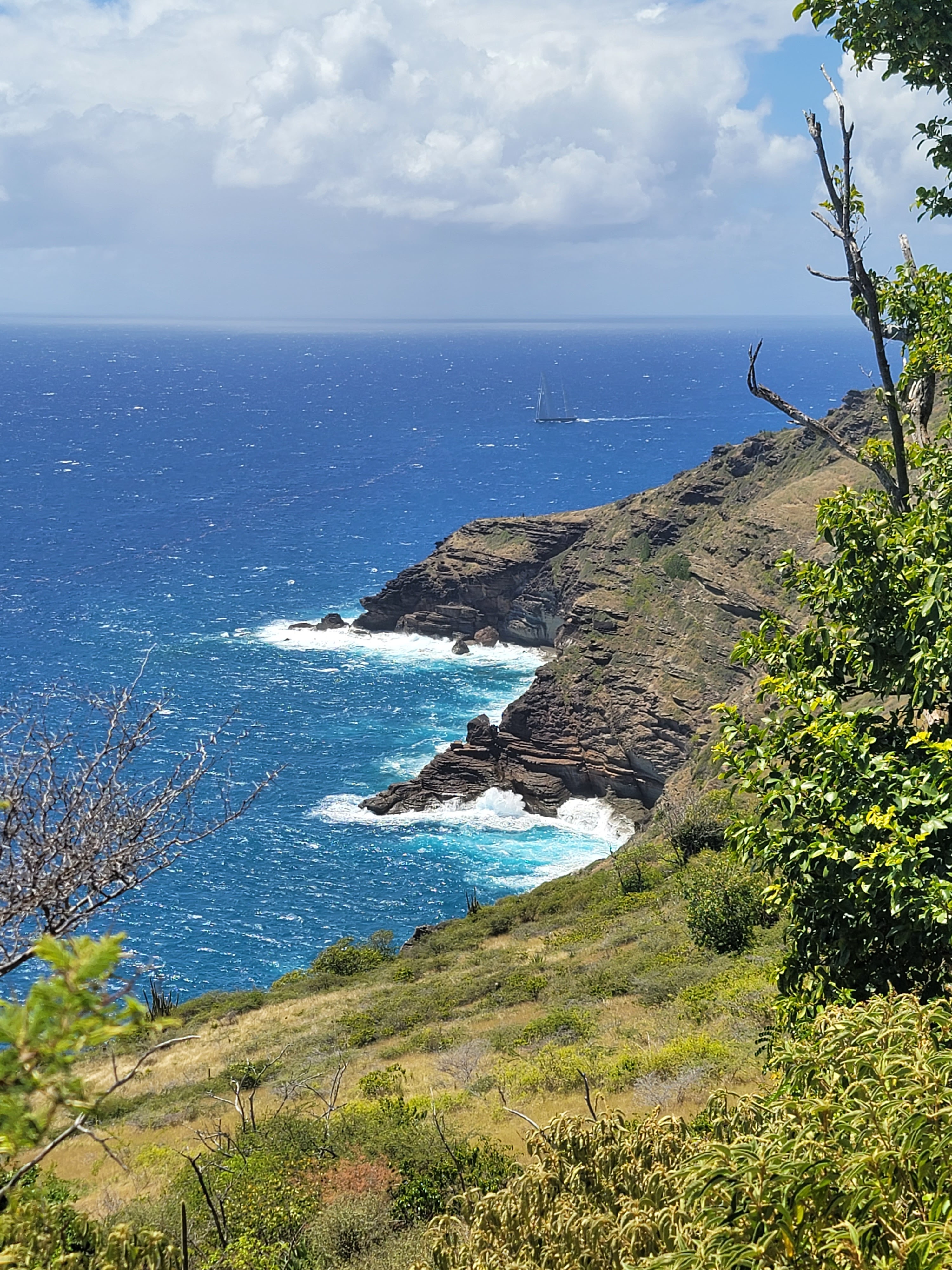
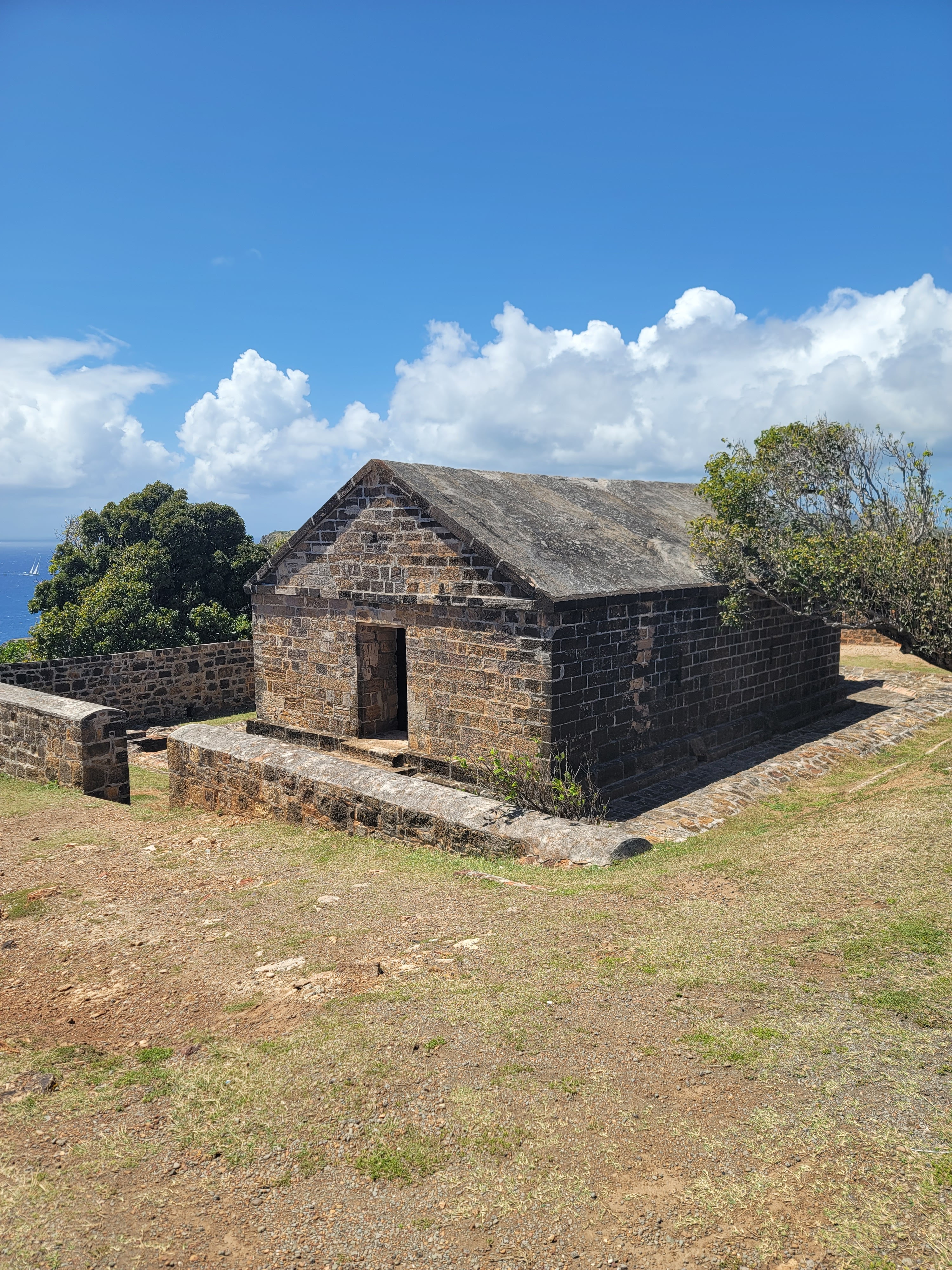
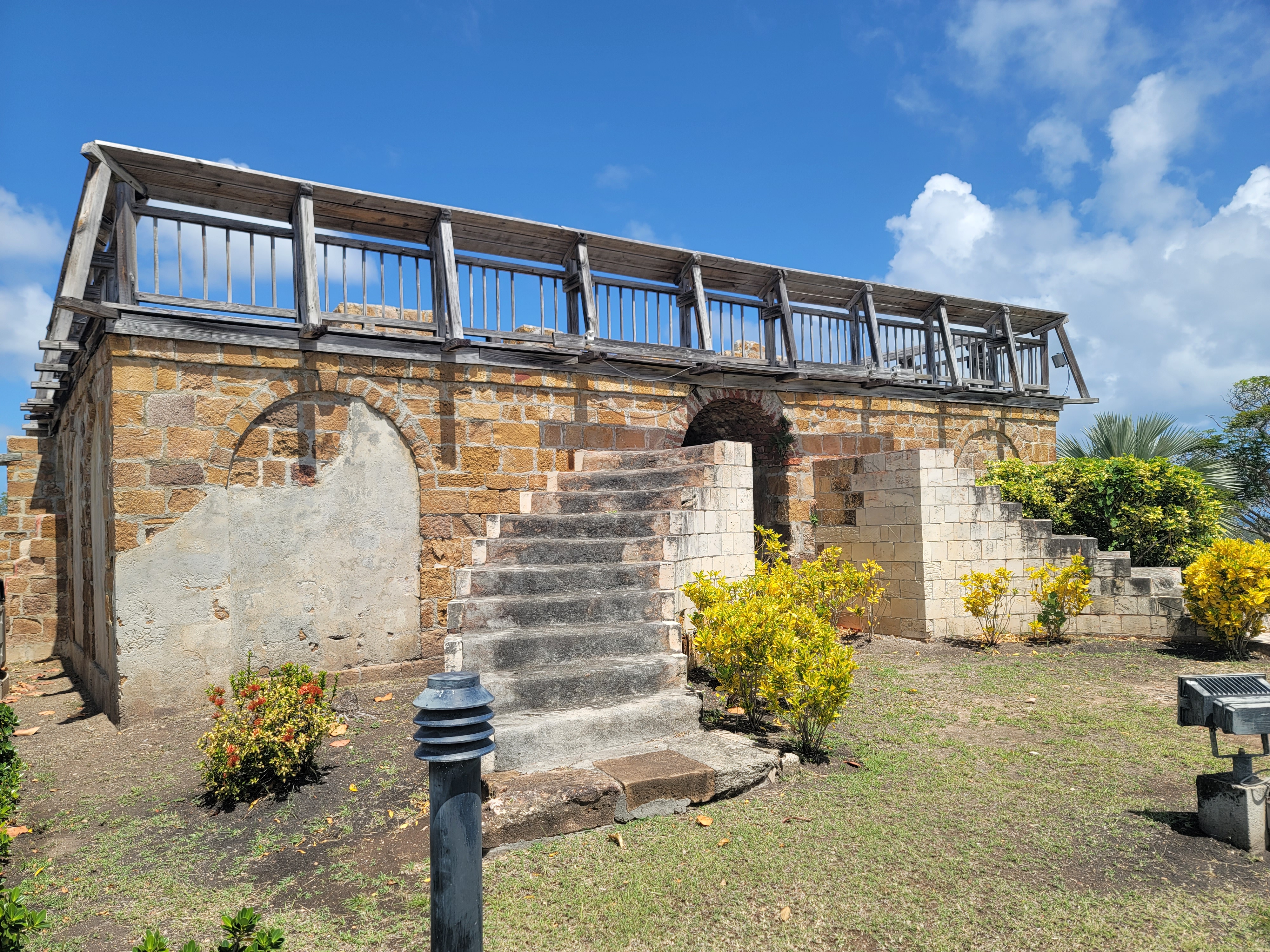
The sheltered bays and surrounding hills made it the perfect location for a naval base, and those same hills are now dotted with the ruins of old fortifications. Another fascinating part of Antigua’s history is its sugar production, which dominated the island in the 17th and 18th centuries. Back then, plantations covered the landscape—today, only the old mill ruins remain, and there are still more than 100 scattered across the island.
Antigua is also home to the largest nesting population of endangered hawksbill turtles in the Caribbean. Some of them nest on the remote beaches of Rendezvous Bay. And if you’re thinking, “meh, turtles”… (which I personally cannot relate to 😄), then maybe pelicans are more your thing? You’ll see them everywhere—circling above the water and suddenly diving down to catch fish. We watched them every morning from our hotel, and honestly, I could’ve done that for hours.
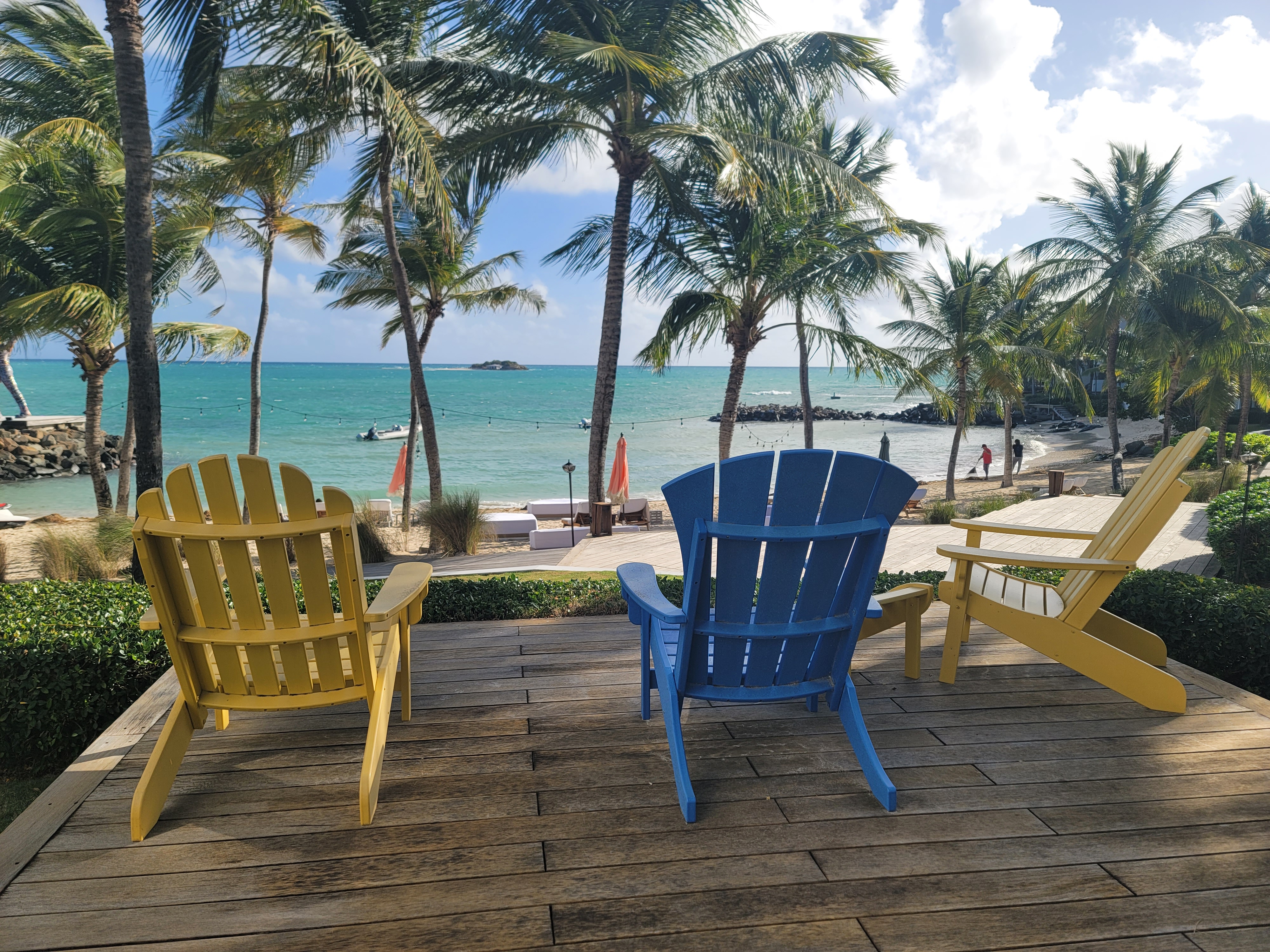
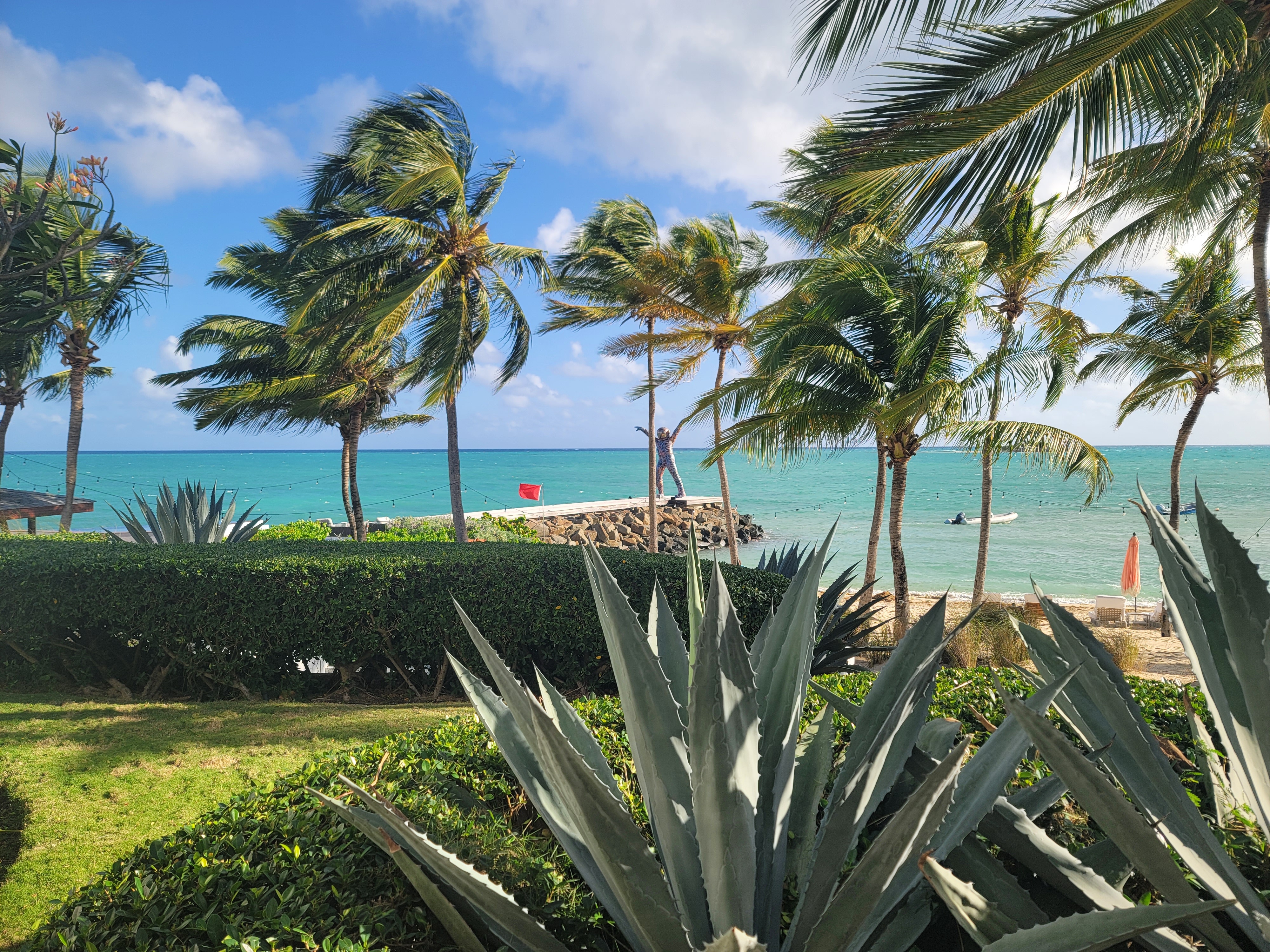
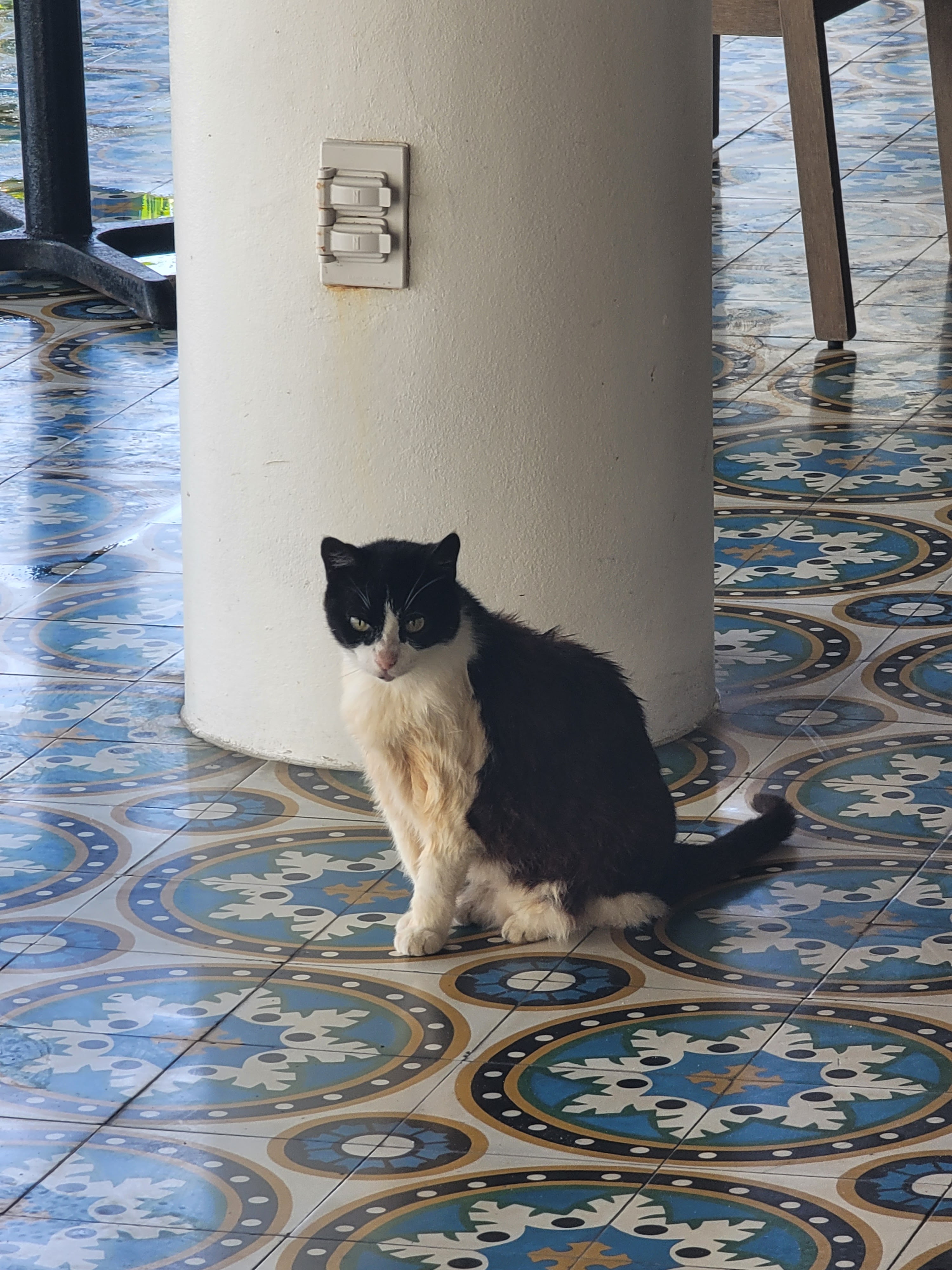
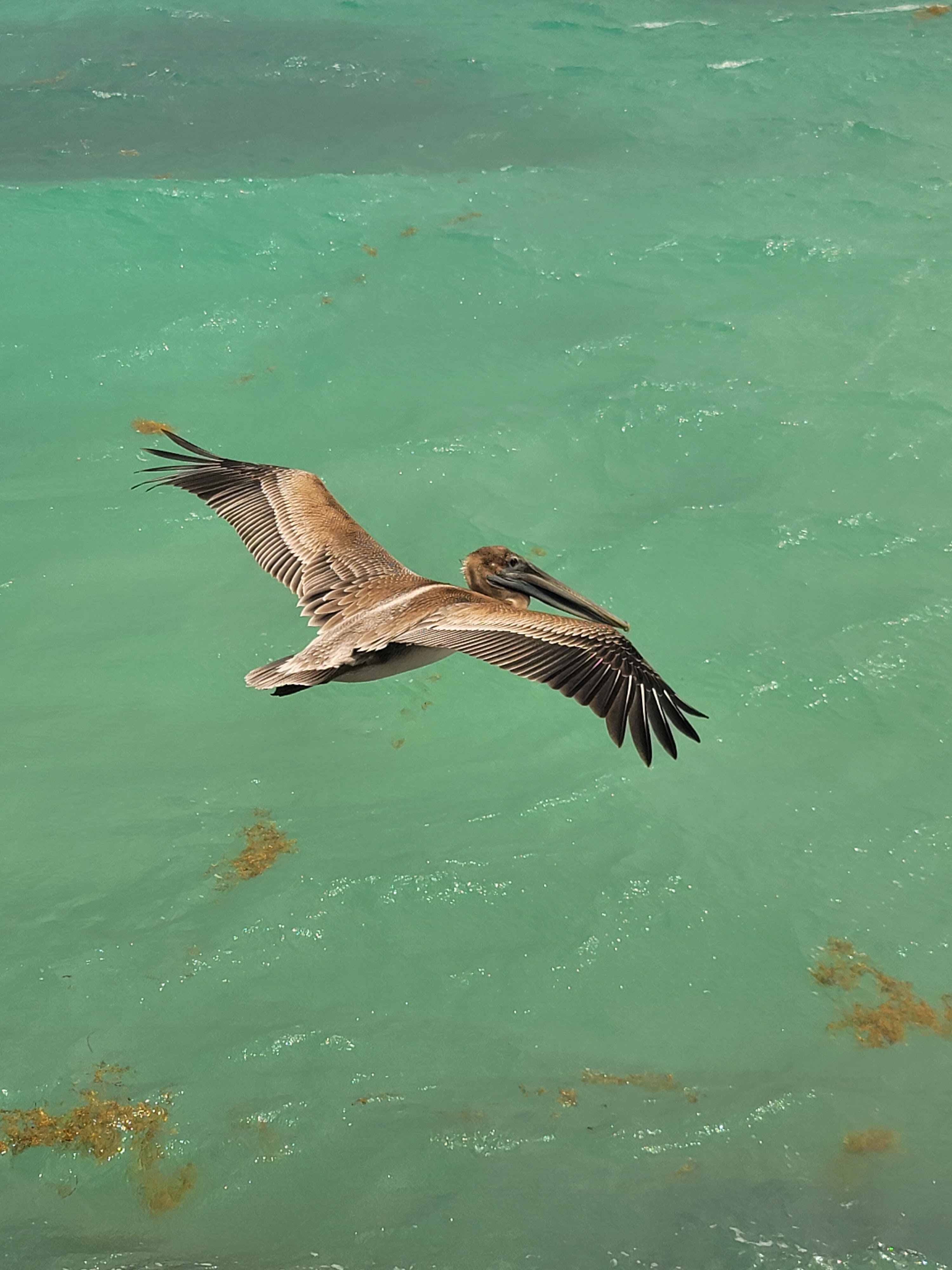
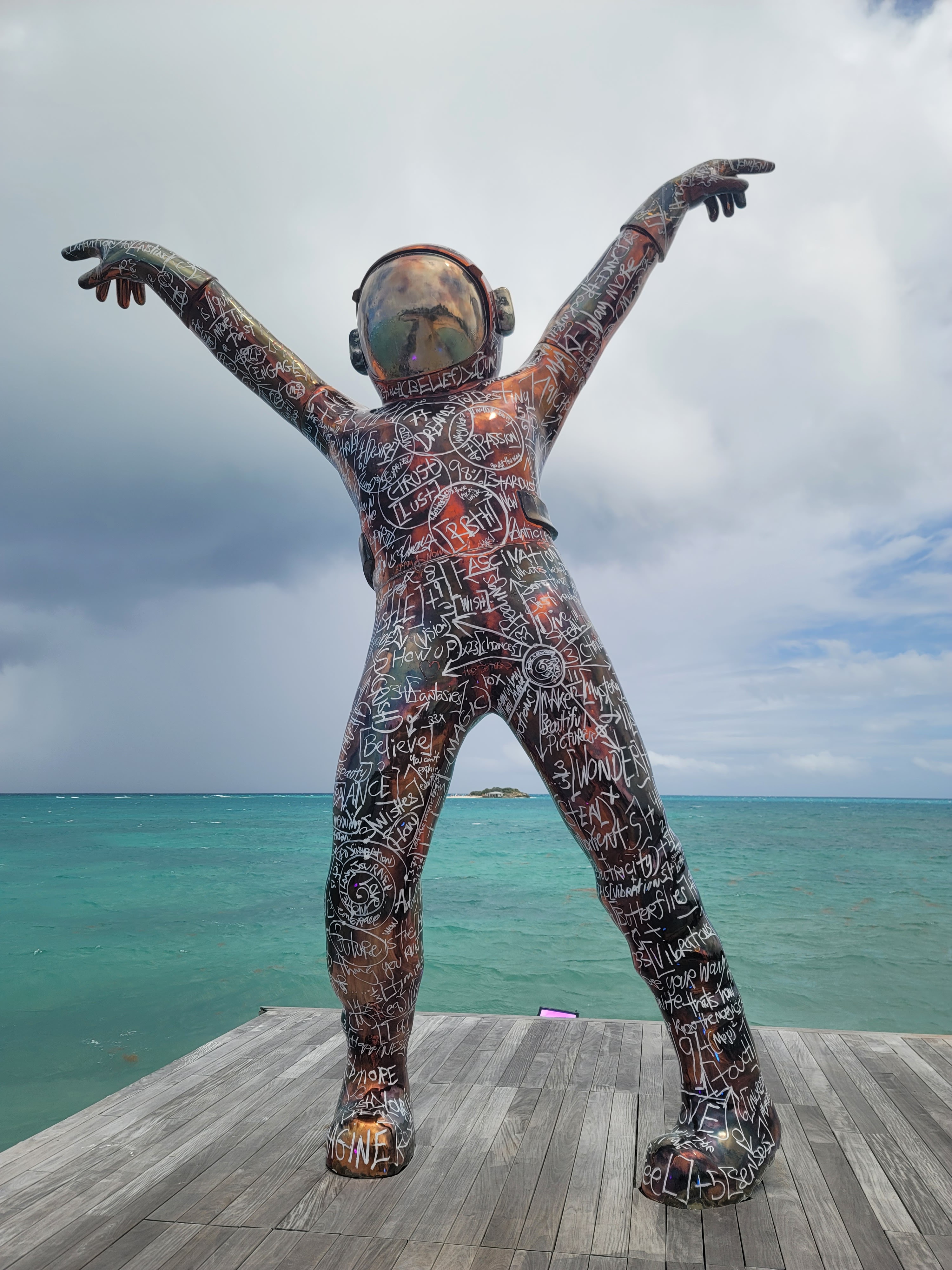
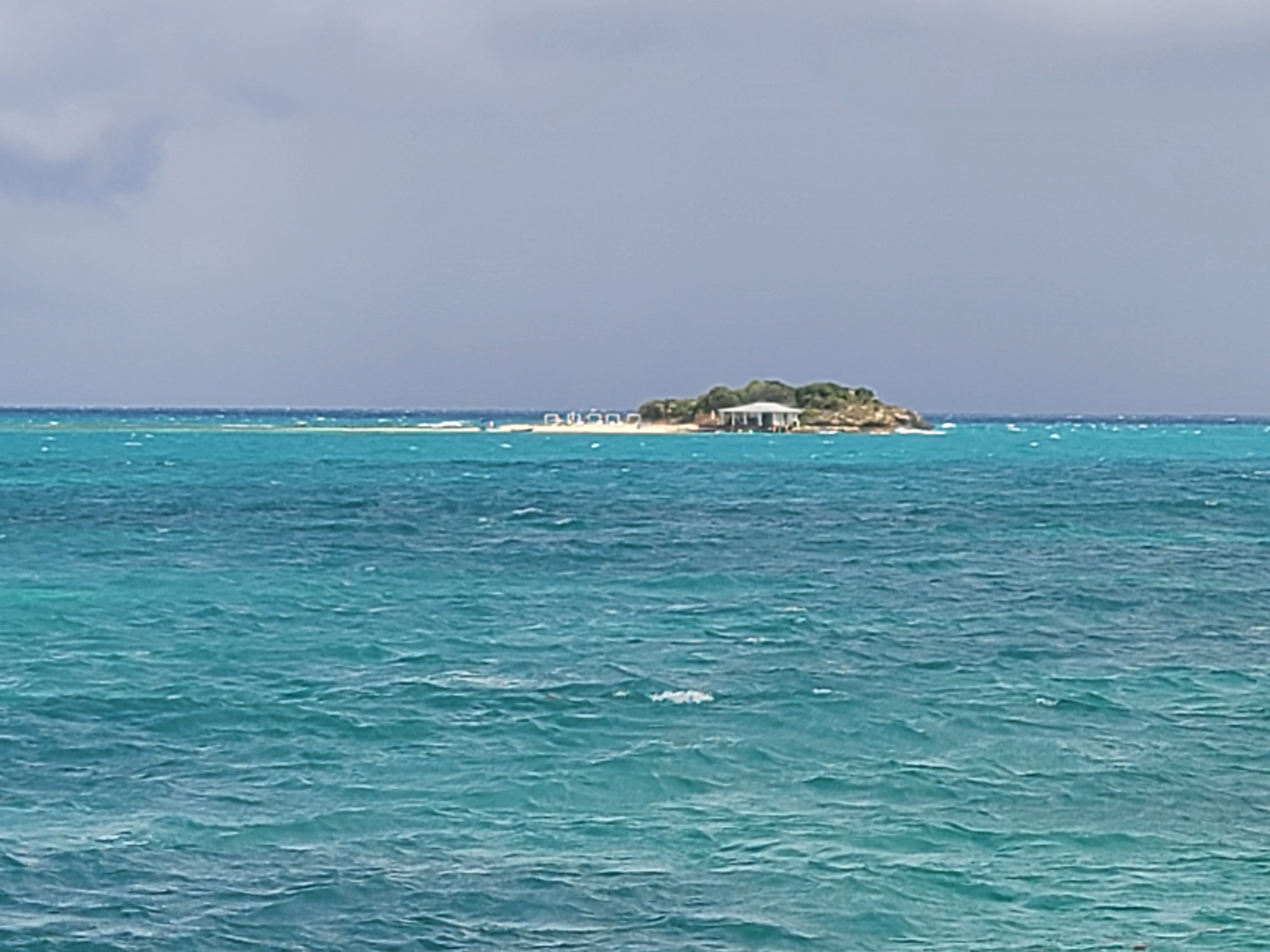
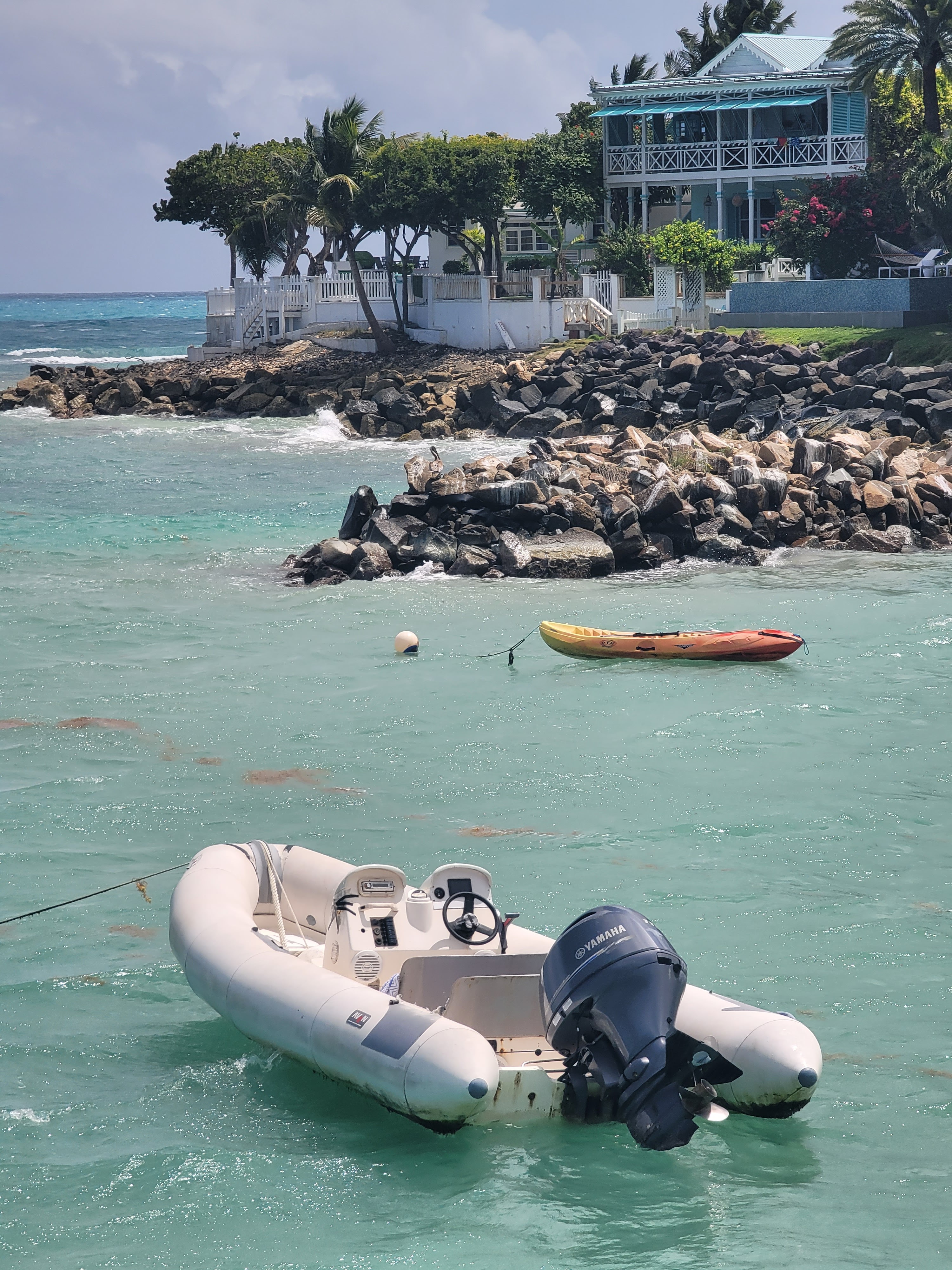
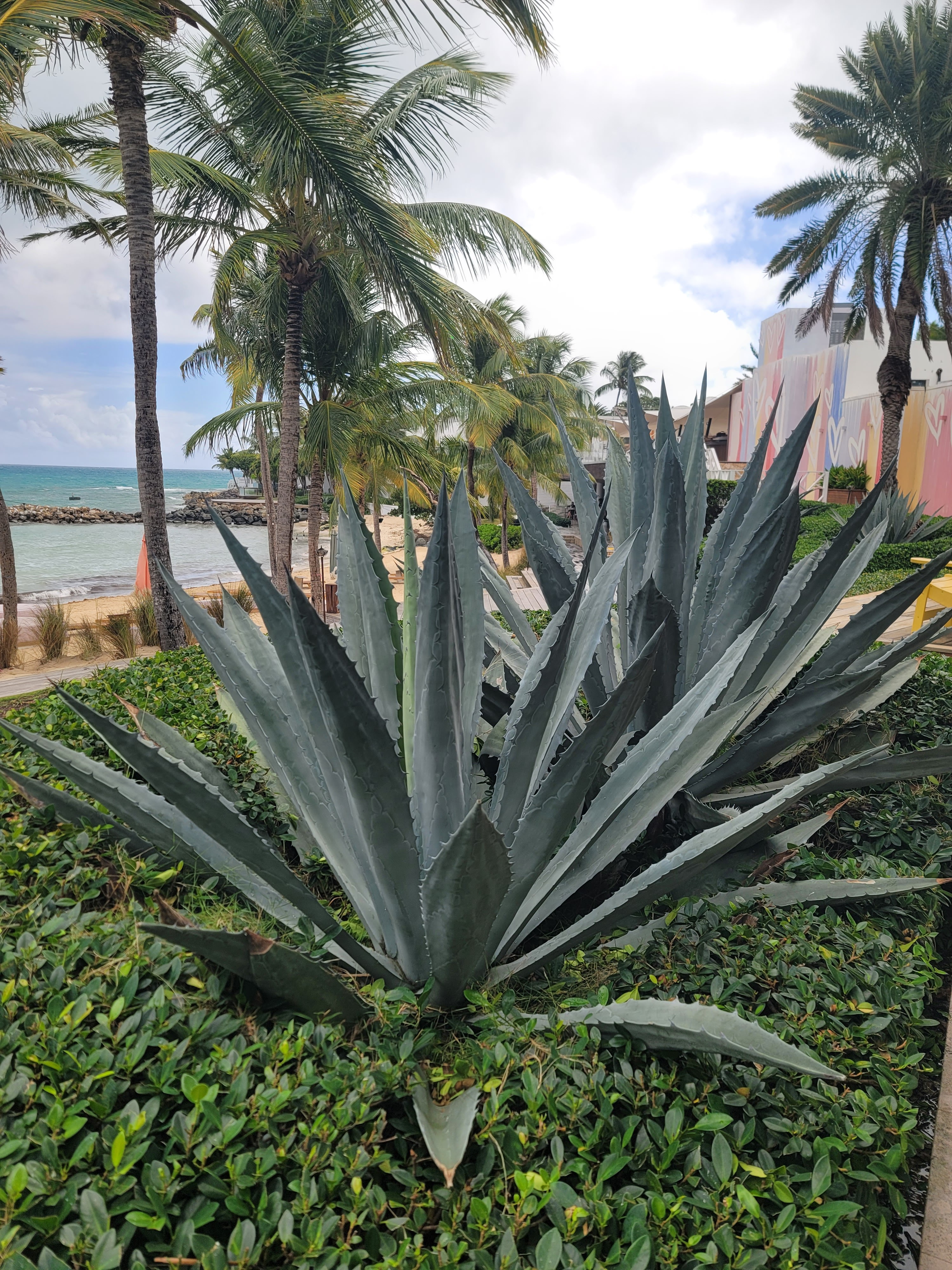
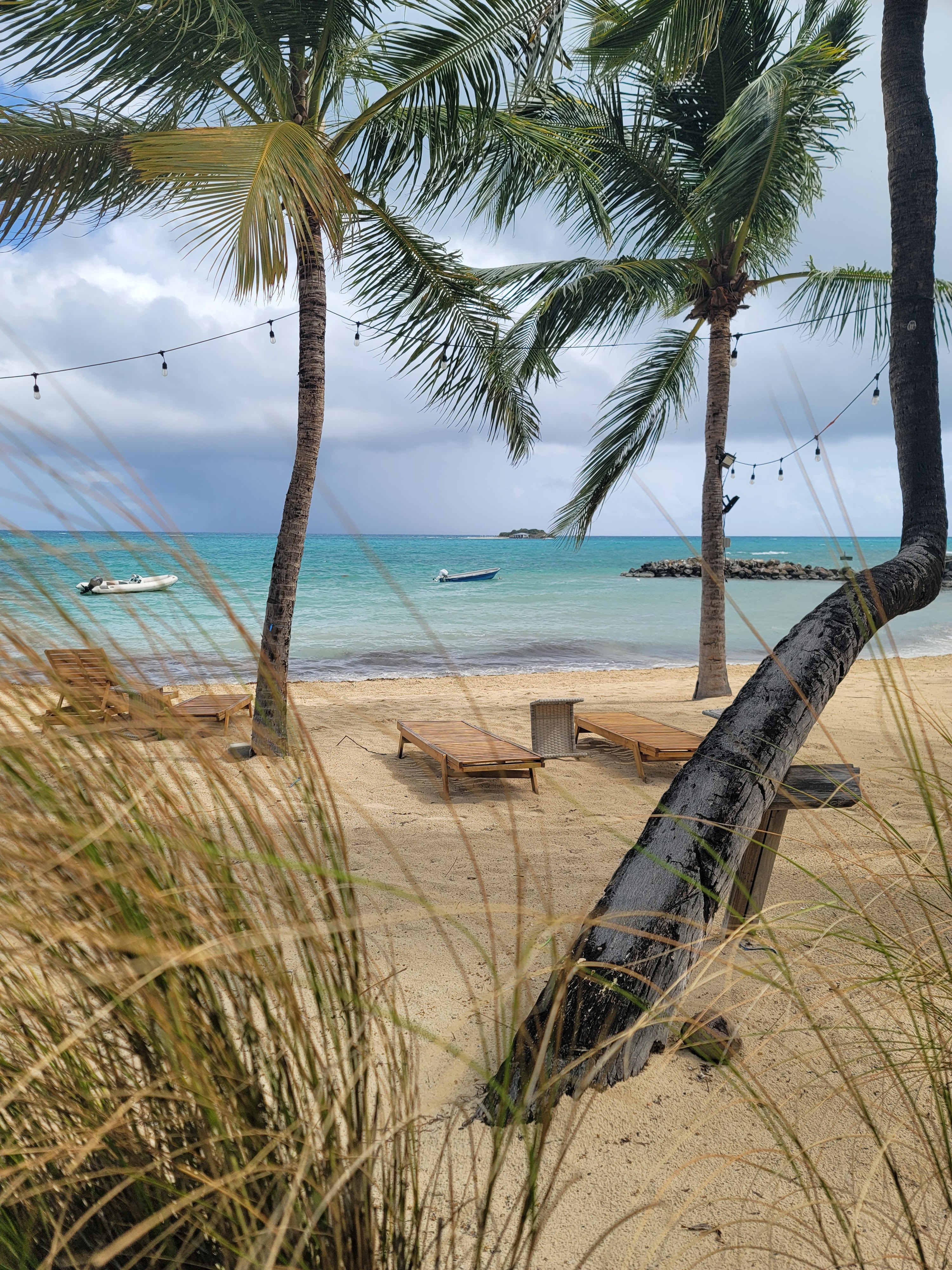
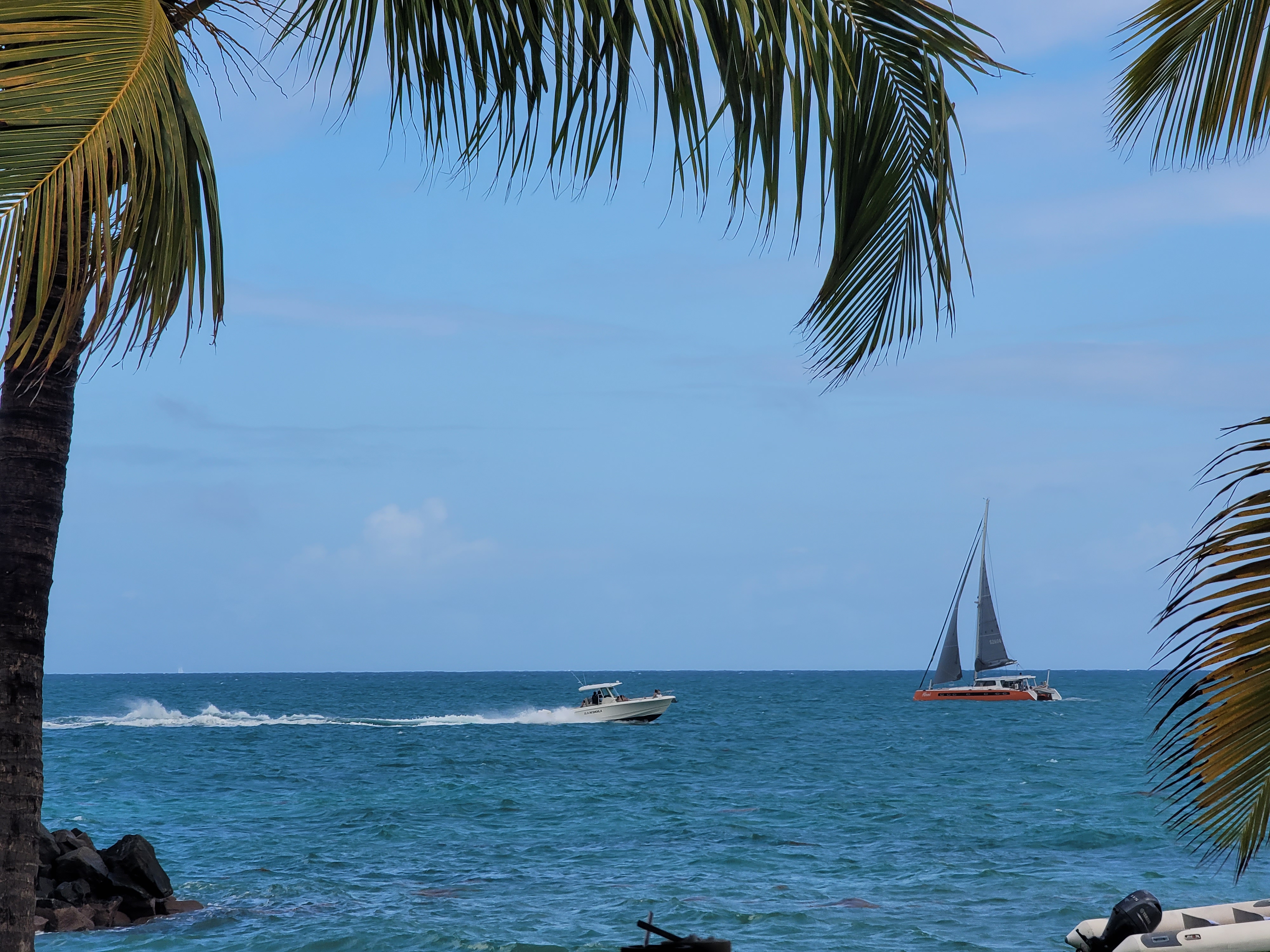
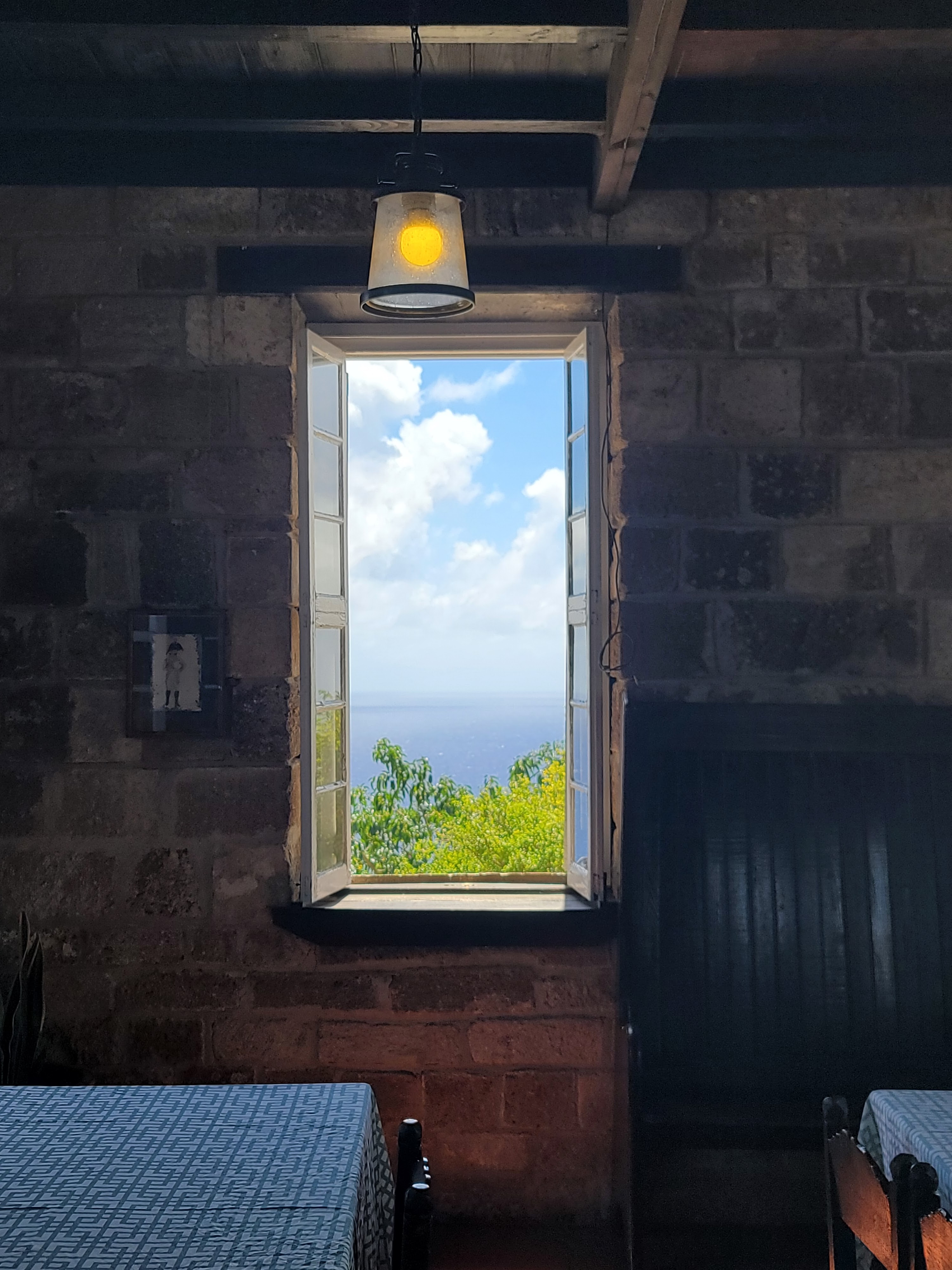
If you’re looking for more, make sure to check out Nelson’s Dockyard (a UNESCO World Heritage Site), the remains of Fort Berkeley, or the views from Shirley Heights, every Sunday you can join a family style BBQ, which is a pretty cool thing to do. Honestly, there’s no shortage of things to see and do.
Fun little side note: we’re actually planning to return to English Harbour in December 2027. Why am I telling you this now? Fair question. Some very good friends of ours—you might remember them from our Chengdu blog, Susanne and Torsten—are planning something completely wild. They’re taking part in the “The World’s Toughest Row” and will be rowing across the Atlantic. From La Gomera (Canary Islands) all the way to Antigua. That’s about 3,000 miles. Around 4,800 kilometers. In a rowboat.
While I will definitely not be joining them, I can’t wait to be there at the finish line to welcome them back onto solid ground.
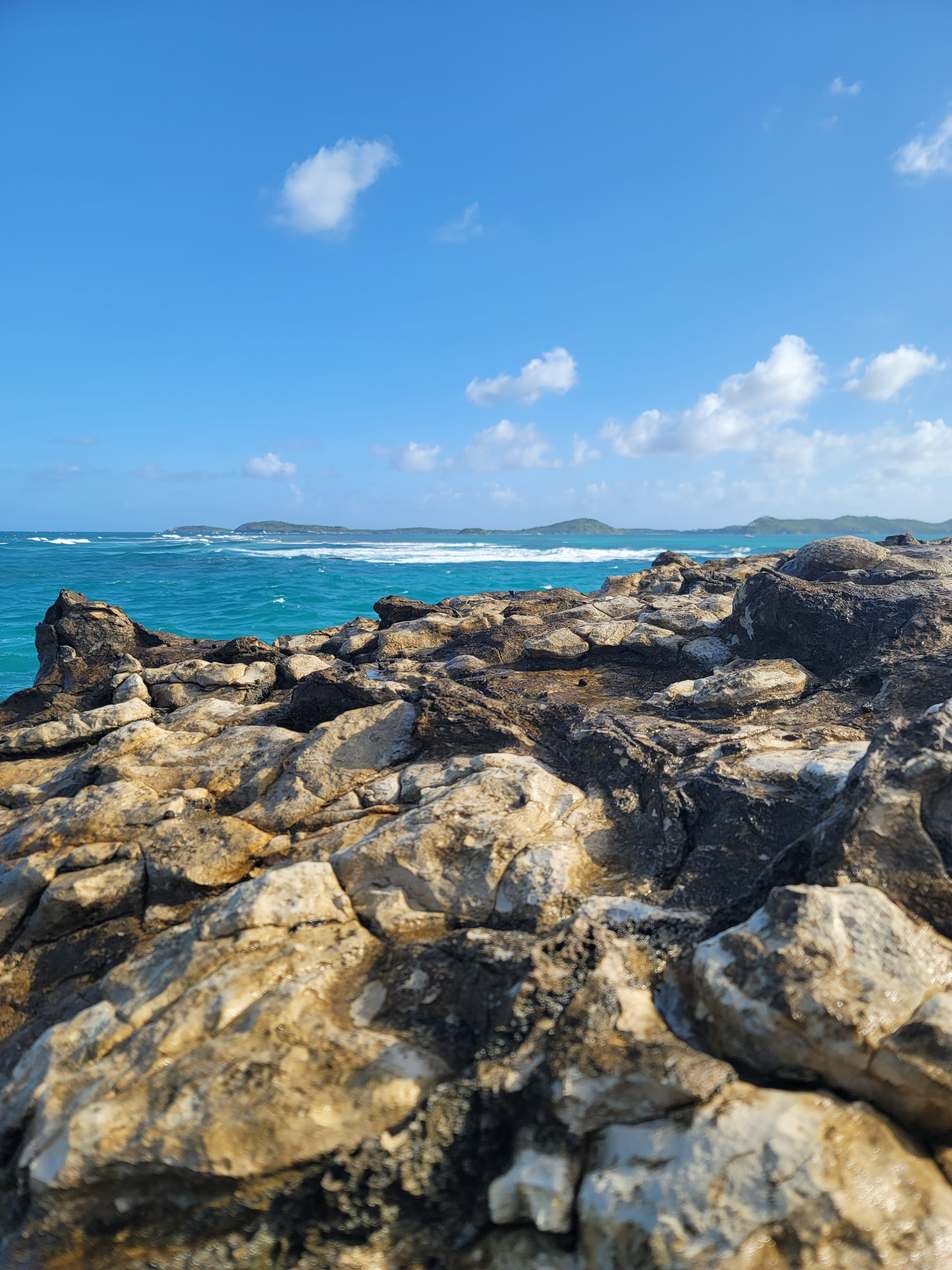
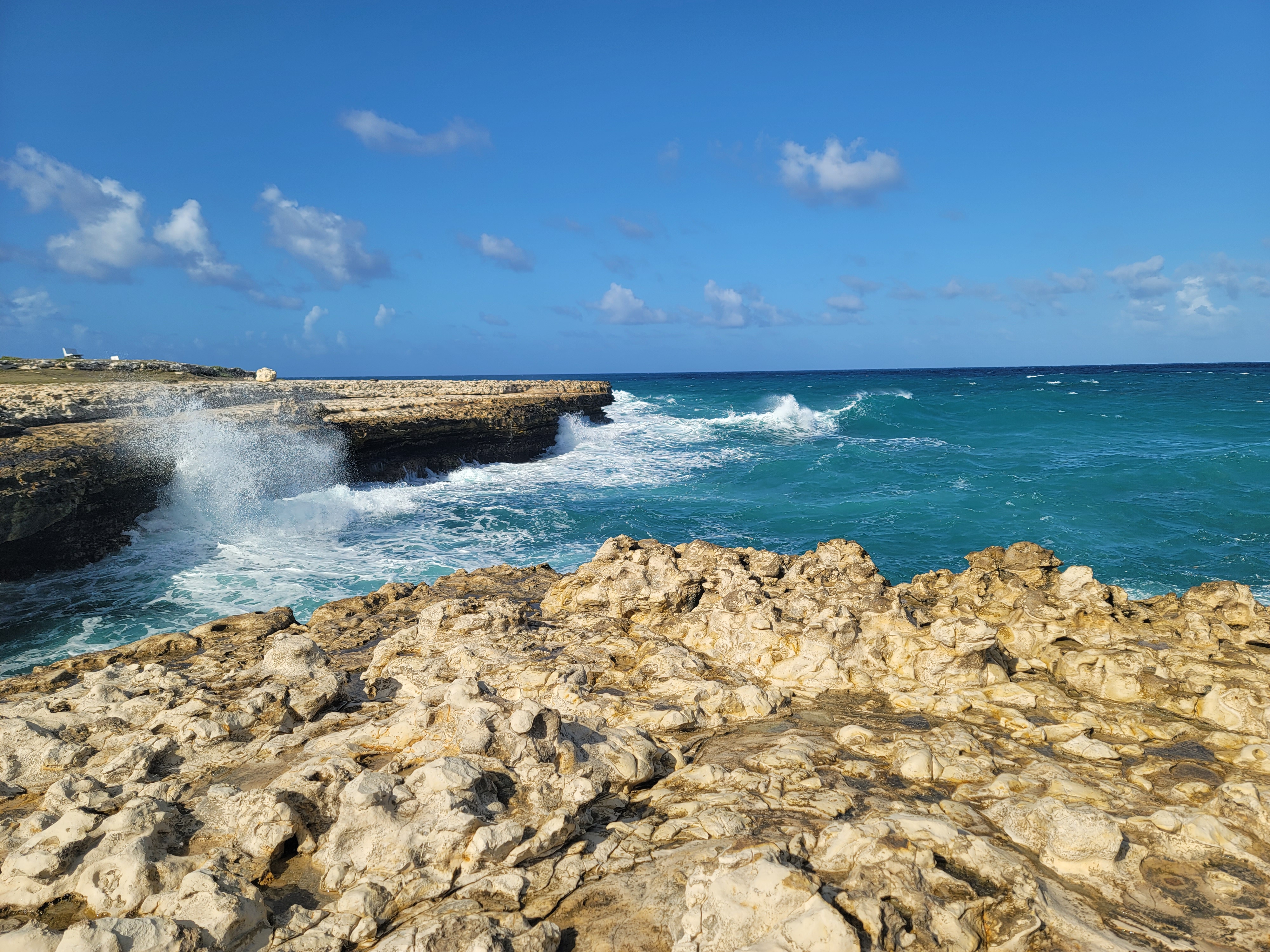
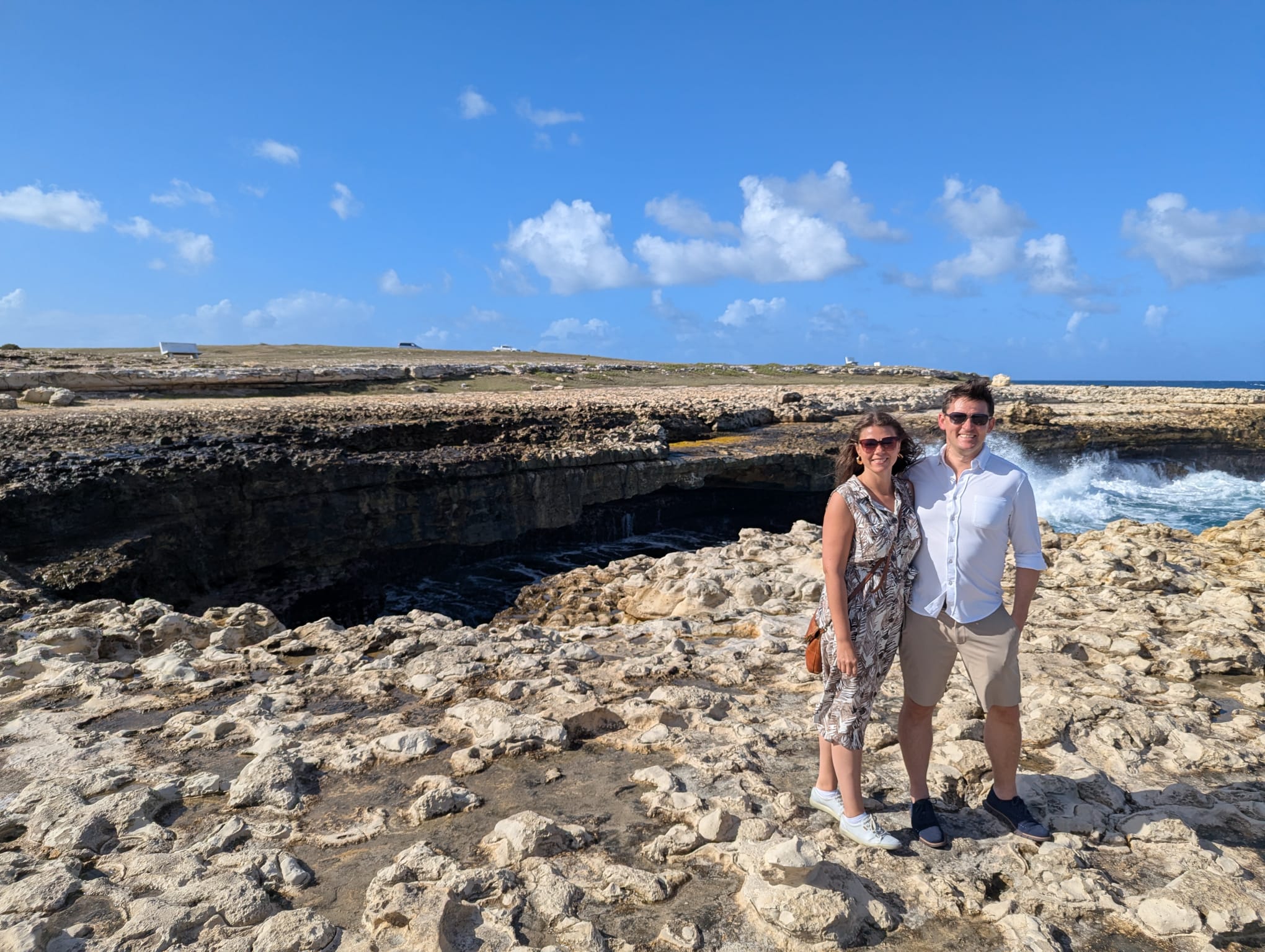
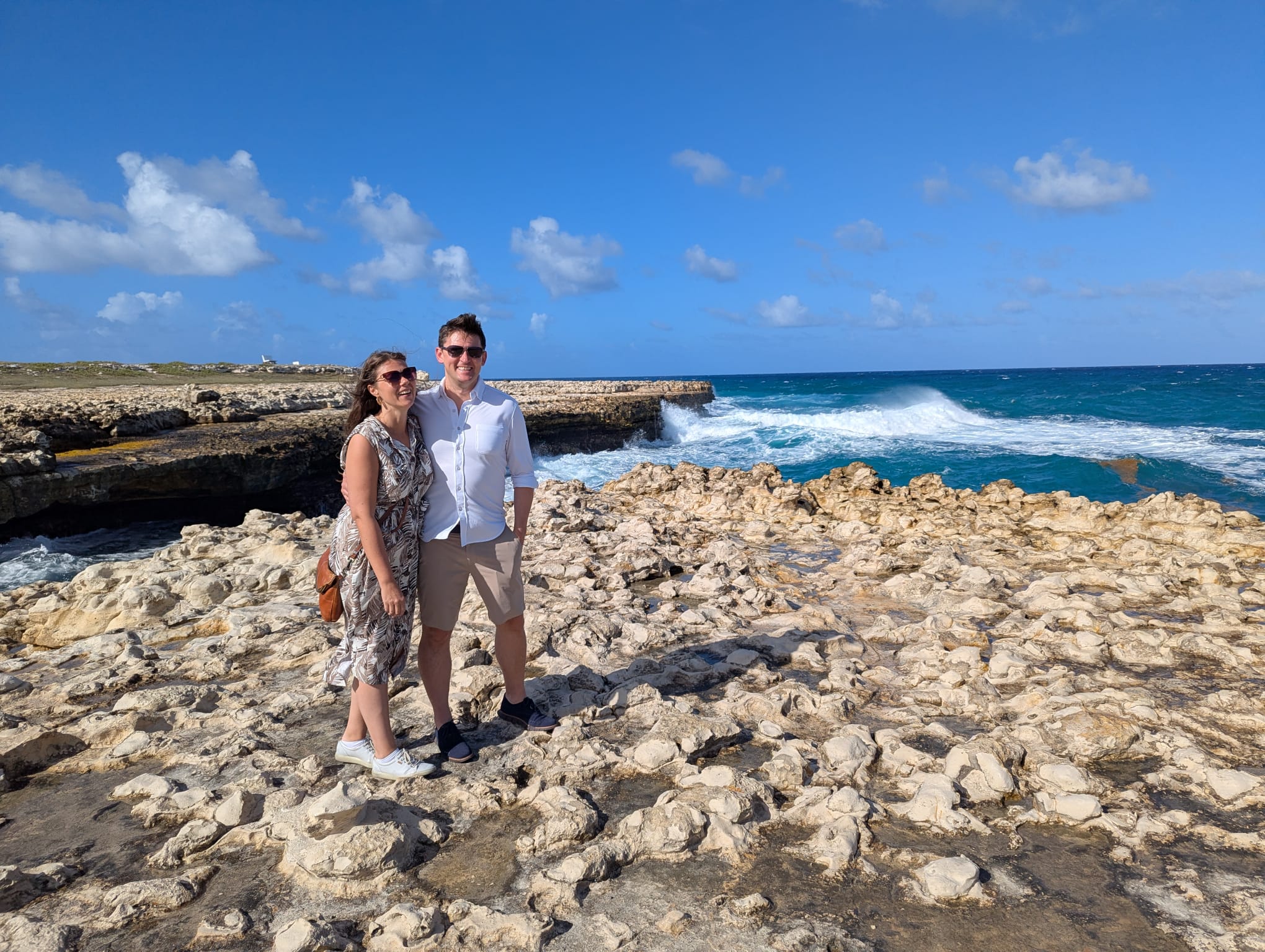
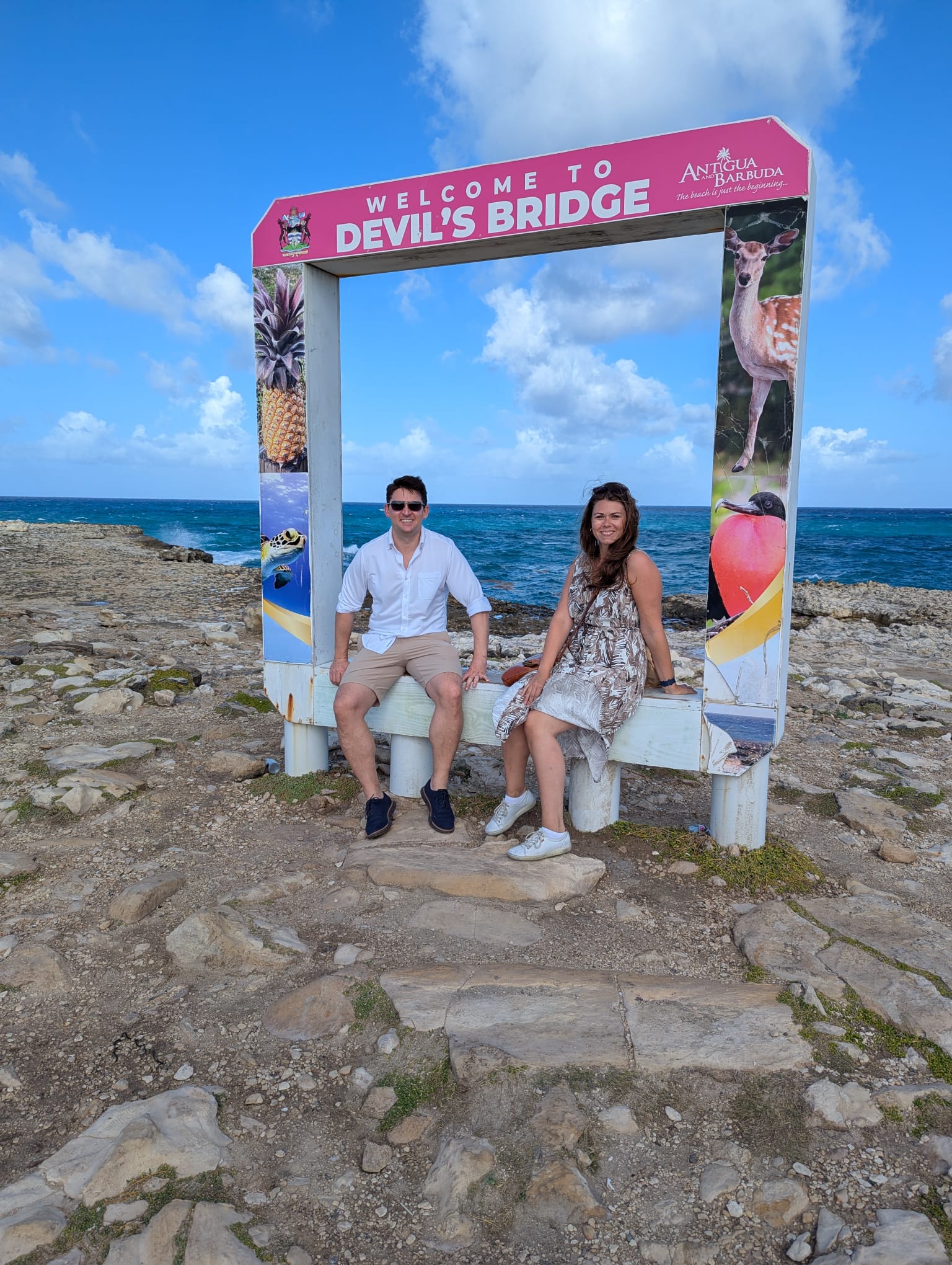
Another spot we visited was Devil’s Bridge on the far east side of the island. It’s a natural limestone arch where the ocean forces water up through blowholes—pretty spectacular, especially since these powerful waves here come straight from the Atlantic with nothing in between. As beautiful as it is, the place also has a very dark history. The name “Devil’s Bridge” comes from the belief that the devil lived beneath the arch. In the 18th century, enslaved people from nearby plantations would jump into the sea here—choosing death over a life of brutal servitude, believing the water would carry their souls back to Africa.
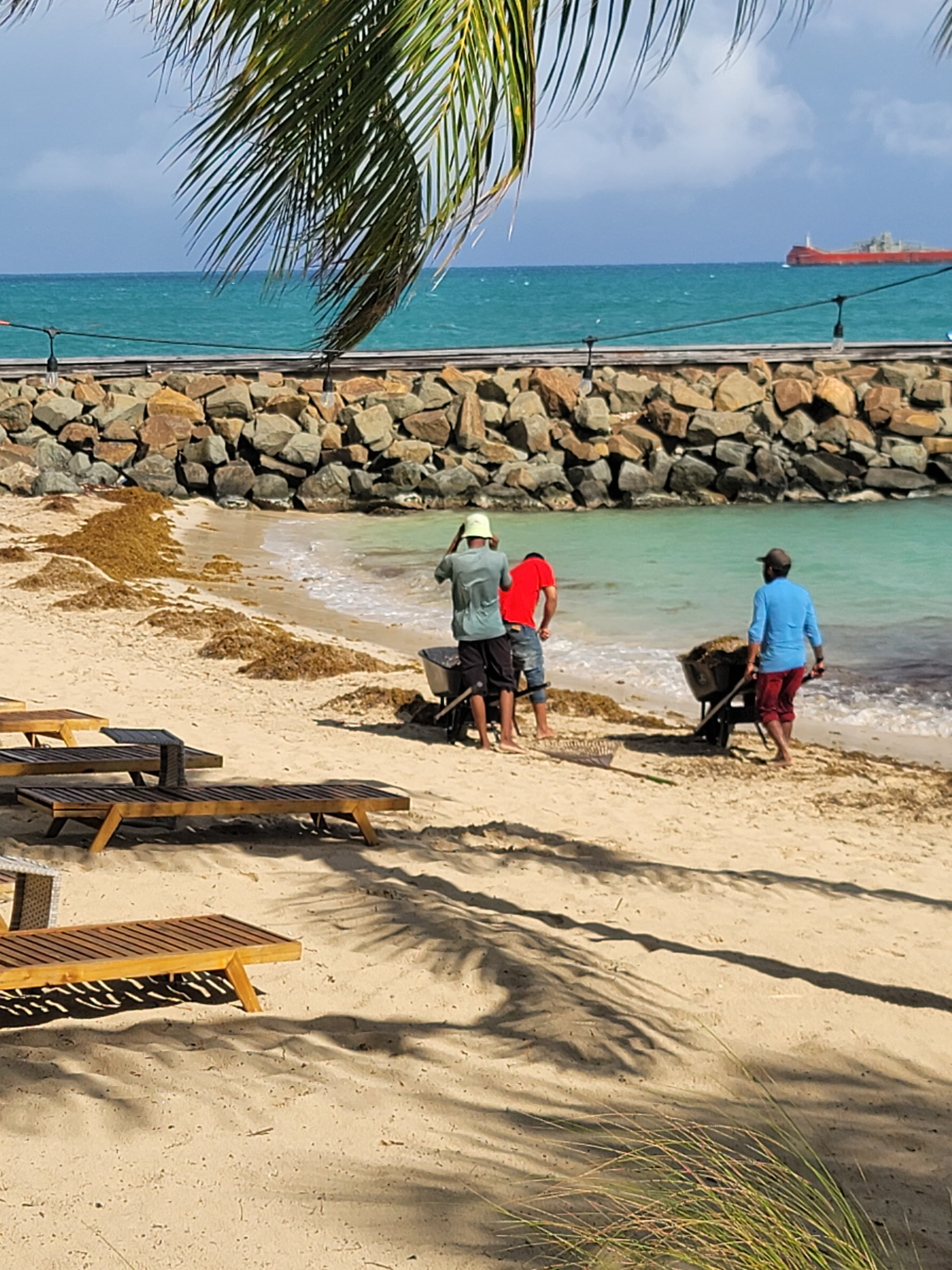
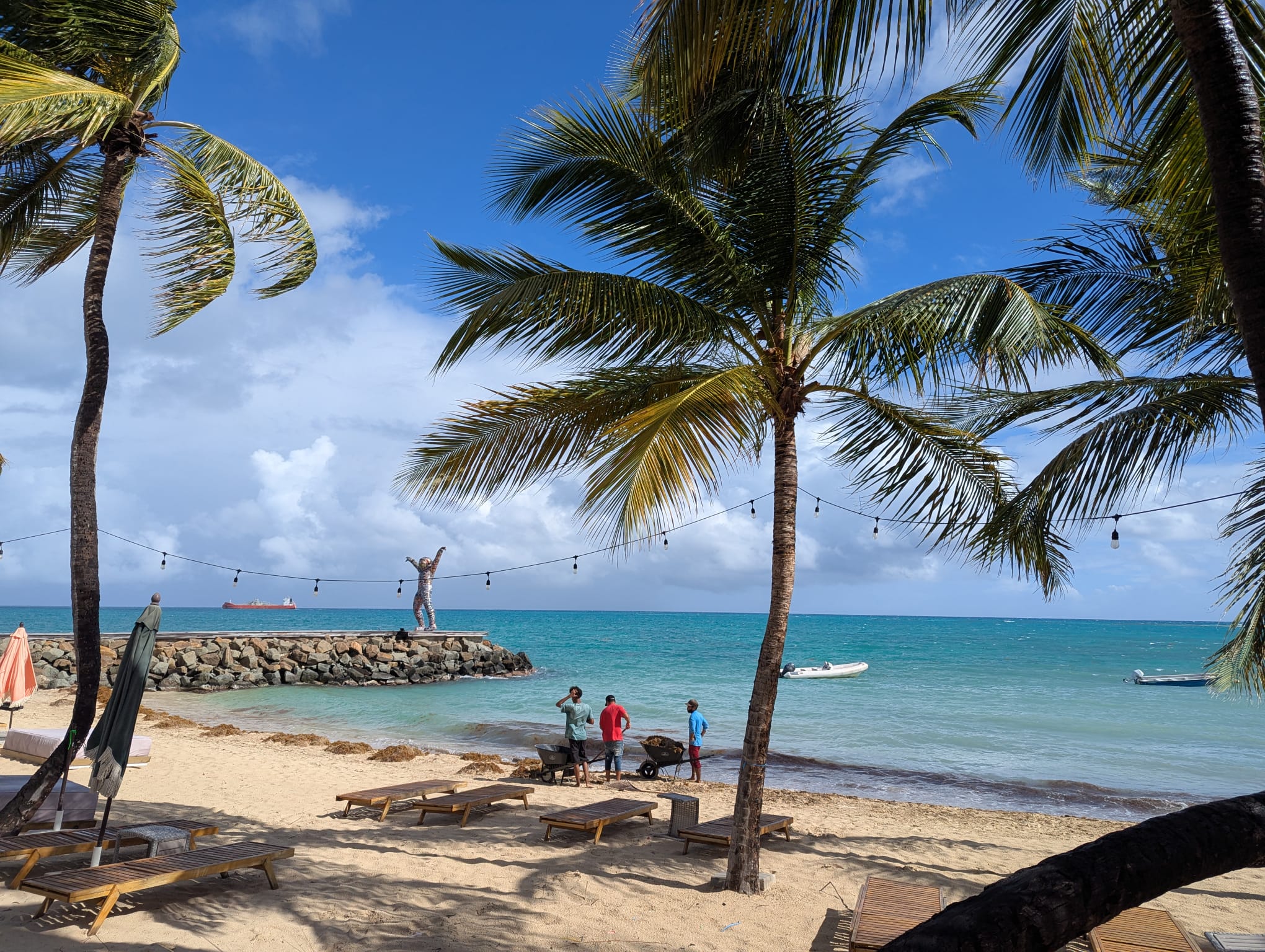
Not the easiest transition, but while we’re talking about the ocean—there’s also a growing issue that’s hard to ignore: sargassum seaweed. This algae tends to accumulate along the east and southeast coasts of Antigua. It occurs naturally in the Atlantic and provides an important habitat for marine life, but in recent years, the volume has increased dramatically. The problem? It smells, it doesn’t look great, and when it decomposes, it releases gases that can be harmful—especially for the people who have to clean it up every day. In large amounts, it can also suffocate marine life and damage coral reefs. And yes—we’re seeing the same thing in Miami. Those big brown patches floating in the water? That’s it. Many hotels deal with this by cleaning their beaches multiple times a day or even transporting guests by boat to seaweed-free areas so they can still enjoy the water.
I would’ve loved to explore more—see the west coast, take a boat over to Barbuda, or explore St. John’s. But with limited time and road conditions that can turn even short drives into hour-long trecks, we had to pick and choose.
Which really just means one thing: we’ll have to go back.
And honestly—who wouldn’t want to return to a place full of historic sites, pelicans, and turquoise water?
Du hast dich wahrscheinlich schon gefragt, was wir in letzter Zeit so getrieben haben – und die ehrliche Antwort ist: nicht besonders viel.
Seit Weihnachten ist Shane nämlich gefühlt nonstop unterwegs gewesen, und ich hatte leider kaum die Gelegenheit, ihn zu begleiten. Aber ich konnte mir immerhin einen kleinen, ziemlich süßen Abstecher nach Antigua rausquetschen.
Falls du jetzt denkst: „Antigua… wo bitte ist das?“ – keine Sorge, damit bist du definitiv nicht allein.
Antigua und Barbuda, wie der Staat offiziell heißt, liegt in der Karibik und besteht aus zwei Inseln. Bekannt ist das Ganze vor allem für seine Strände (und zwar 365 Stück – ja, theoretisch einer für jeden Tag im Jahr), tropisches Klima und… wenig überraschend: Tourismus.
Auch wenn es historisch eng mit dem Vereinigten Königreich verbunden ist, wurde das Land 1981 unabhängig und ist heute eine konstitutionelle Monarchie. Heißt: eigene Regierung, eigener Premierminister – aber König Charles ist noch das offizielle Staatsoberhaupt. Und ja, der britische Einfluss ist immer noch ziemlich sichtbar, sei es in der Architektur oder bei Ortsnamen wie der Hauptstadt St. John’s.
Shane war schon ein paar Tage vor mir dort, bevor ich fürs Wochenende dazugestoßen bin. Der Flug ist mit etwa drei Stunden angenehm kurz, und ich bin Freitag kurz nach 14 Uhr gelandet. Wir hatten also im Grunde anderthalb Tage Zeit und haben versucht, so viel wie möglich reinzupacken – inklusive ein paar seiner Termine.
Also, was macht man in Antigua?
Ein absolutes Must-See ist English Harbour im Süden der Insel. Der Ort hat seinen Namen vom Hafen, in dem die Royal Navy im 18. Jahrhundert ihren Stützpunkt hatte. Heute dreht sich dort alles ums Wasser: Segelboote, Yachten, riesige Megayachten – man kann sich ehrlich stundenlang hinsetzen und einfach nur schauen.
Die geschützten Buchten und die Hügel drumherum waren damals perfekt für eine Marinebasis – und genau diese Hügel sind heute noch voller Ruinen alter Befestigungsanlagen. Ein anderer spannender Teil der Geschichte ist der Zuckerrohranbau, der im 17. und 18. Jahrhundert die Insel dominiert hat. Früher war Antigua voll von Plantagen – heute stehen davon nur noch die Mühlenruinen. Über 100 davon gibt es immer noch auf der Insel.
Antigua hat übrigens auch die größte Nistpopulation der vom Aussterben bedrohten Karettschildkröte in der Karibik. Einige legen ihre Eier an den abgelegenen Stränden der Rendezvous Bay ab. Und wenn du jetzt denkst „meh, Schildkröten“… (was ich persönlich überhaupt nicht nachvollziehen kann 😄) – dann sind Pelikane vielleicht mehr Dein Ding? Die sieht man wirklich überall. Sie kreisen übers Wasser und stürzen sich dann plötzlich runter, um Fische zu schnappen. Wir haben das jeden Morgen von unserem Hotel aus beobachtet – und ich hätte ehrlich ewig zuschauen können.
Falls du noch mehr sehen willst: Schau dir unbedingt Nelson’s Dockyard (UNESCO-Welterbe), die Überreste von Fort Berkeley oder die Aussicht von Shirley Heights an, wo man jeden Sonntag an einem Gemeinschafts-BBQ teilnehmen kann, was ne wirklich tolle Idee ist. Ganz ehrlich – langweilig kommt da schwer auf.
Kleiner Fun Fact am Rande: Wir planen tatsächlich, im Dezember 2027 nach English Harbour zurückzukehren. Warum ich dir das jetzt schon erzähle? Gute Frage. Sehr gute Freunde von uns – vielleicht erinnerst du dich an unseren Chengdu-Blog: Susanne und Torsten – haben nämlich etwas komplett Verrücktes vor. Sie nehmen an der „World’s Toughest Row“ teil und rudern einfach mal über den Atlantik . Von La Gomera (Kanarische Inseln) bis nach Antigua. Das sind rund 3.000 Meilen. Also etwa 4.800 Kilometer. In einem Ruderboot.
Während ich definitiv kein Interesse habe sowas mitzumachen, freue ich mich jetzt schon darauf, sie nach dieser Wahnsinnsreise im Hafen wieder auf festem Boden zu begrüssen.
Ein weiterer Spot, den wir besucht haben, ist Devil’s Bridge ganz im Osten der Insel. Das ist eine natürliche Kalksteinbrücke, durch die das Meerwasser durch sogenannte Blowholes nach oben schießt – ziemlich beeindruckend, vor allem weil die Wellen hier direkt vom Atlantik kommen, ohne dass irgendetwas dazwischenliegt. So schön der Ort ist, hat er auch eine sehr düstere Geschichte. Der Name „Devil’s Bridge“ kommt von dem Glauben, dass der Teufel unter der Brücke lebt. Im 18. Jahrhundert sprangen versklavte Menschen von hier ins Meer und in den Tod – als Flucht aus der grausamen Realität der Plantagen, in der Hoffnung, dass die See ihre Seelen nach Afrika zurücktragen würden.
Nicht unbedingt der leichteste Übergang, aber wenn wir schon beim Thema Meer sind: Es gibt auch ein wachsendes Problem, das man nicht ignorieren sollte – Sargassum-Algen. Diese Algen sammeln sich vor allem an der Ost- und Südostküste von Antigua. Eigentlich kommen sie ganz natürlich im Atlantik vor und bieten Lebensraum für viele Tiere. In den letzten Jahren sind die Mengen aber massiv angestiegen. Das Problem: Sie stinken, sehen nicht besonders einladend aus und setzen beim Zersetzen Gase frei, die gesundheitsschädlich sein können – vor allem für die Menschen, die sie täglich entfernen müssen. Außerdem können große Mengen das Wasser „ersticken“ und Korallenriffe zerstören. Und ja – wir kennen das Problem auch aus Miami. Diese braunen Algenfelder im Wasser? Genau das sind die. Viele Hotels reinigen deshalb mehrmals täglich ihre Strände oder bringen Gäste mit Booten an algenfreie Stellen, damit man trotzdem ins Wasser kann.
Ich hätte wirklich gerne noch mehr gesehen – die Westküste erkundet, einen Abstecher nach Barbuda gemacht oder mir St. John’s genauer angeschaut. Aber die Zeit war knapp, und die Straßenverhältnisse machen selbst kurze Strecken manchmal zu kleinen Geduldsproben.
Heißt aber eigentlich nur: Wir müssen nochmal zurück.
Und mal ehrlich – wer würde sich dagegen wehren, wieder zwischen historischen Ruinen, Pelikanen und türkisblauem Wasser zu landen?
 Denise and Shane got on a plane
Hallo Ihr Beiden,
danke für den interessanten Reisebericht, e Unruhe und Schmuzzs erinnert uns ein wenig an die Zeit auf Trinidad und Tobago, was allerdings schon Lichtjahre her ist.
Bei all den vielen Inseln die in Shanes Arbeitsgebiet fallen, habt Ihr ja noch einiges vor der Brust bis Ihr alles gesehn habt, zum Glück
habt Ihr ja viel Zeit und könnt einteilen und planen, dazu wünschen wir viel Spass und Vergnügen.
Wir sind im Moment im ollen Hus an der Küste, unser Reetdach muß überholt werden und das bringt viel Unruhe und Schmutz mit sich.
Danach haben wir dann aber erstmal Ruhe und können mit der Sommerbepflanzung beginnen, es wird also nicht langweilig.
Euch wünschen wir eine schöne Zeit, bleibt gesund und munter und genießt das Leben.
Die herzlichsten Wünsche senden
Heidi und Manfred
LikeLike